Even a glamorous architecture loses its shine without audience.
Therefore many of them, after completing the original mission, evolve into something new. And places which are once out of our reach, become very friendly.
Café Gloriette
Schönbrunn Palace, Vienna
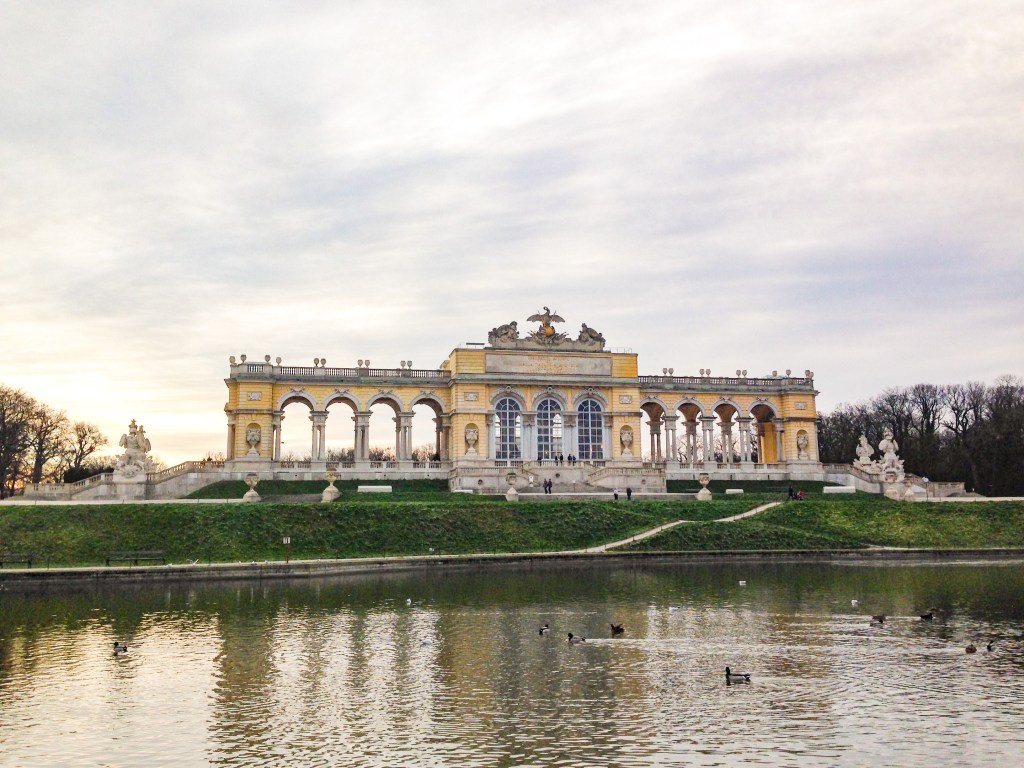
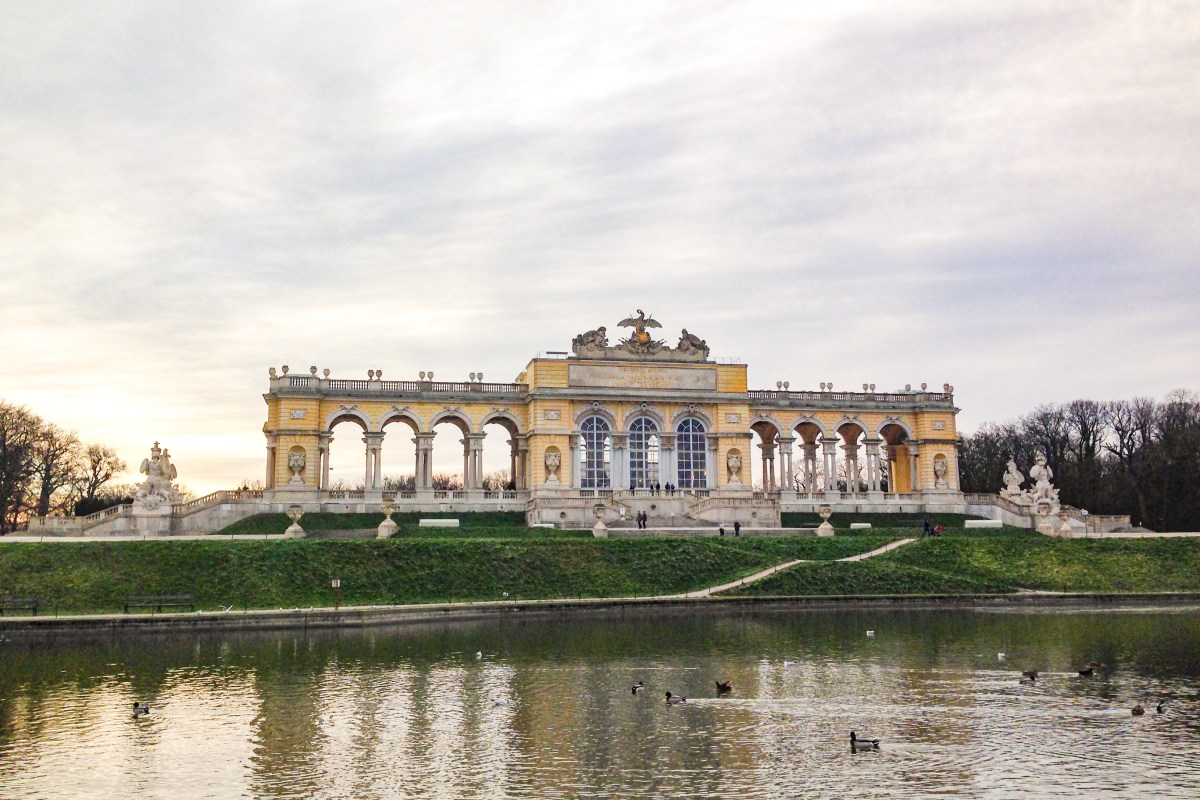
The Schonbrunn Palace is a must-go tourist spot in Vienna (it’s the yellowish palace you see on postcards), and the Gloriette is right in its garden.
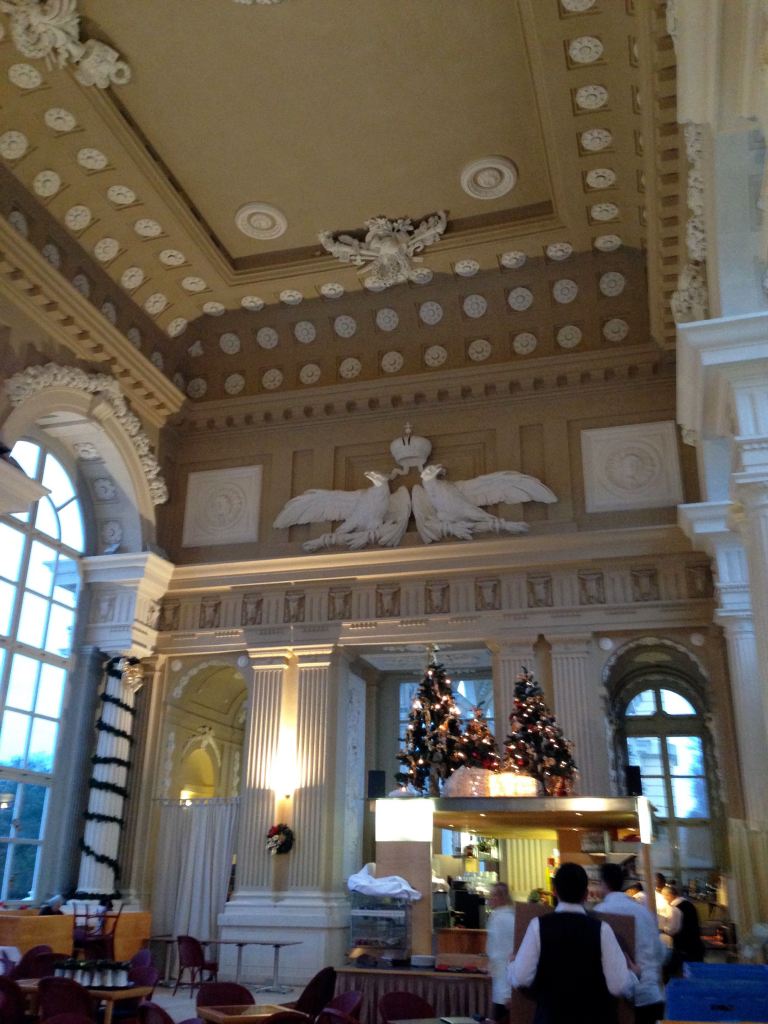
As the Gloriette is elevated with respect to its surroundings, the cafe was being used as the dining hall of the Emperor back in the 17th century, and the roof as an observation lookout throughout the years. The places wasn’t open to the public until 90s.
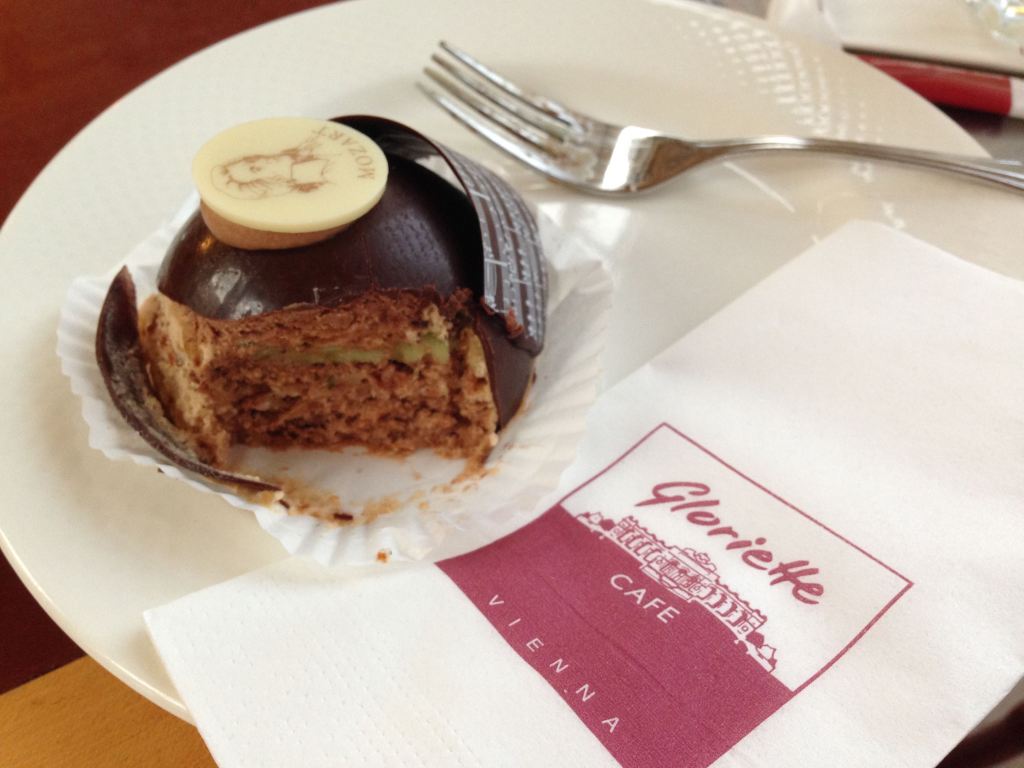
The cafe is famous for its ‘Sisi Torte‘ – cake with orange and nougat cream. I ordered the ‘Mozart Torte‘ instead as I hate fruit-flavored additives. Mozart Torte is a crispy cake, with pistachio marzipan and chocolate/hazelnut cream. Tourists may need to google all the cake names to understand what it actually means, the cafe has lots of exclusive dessert variations.
The Torte tastes good, and the price is slightly high for the imperial taste.
Schlosscafé Im Palmenhaus
Schloss Nymphenburg, Munich
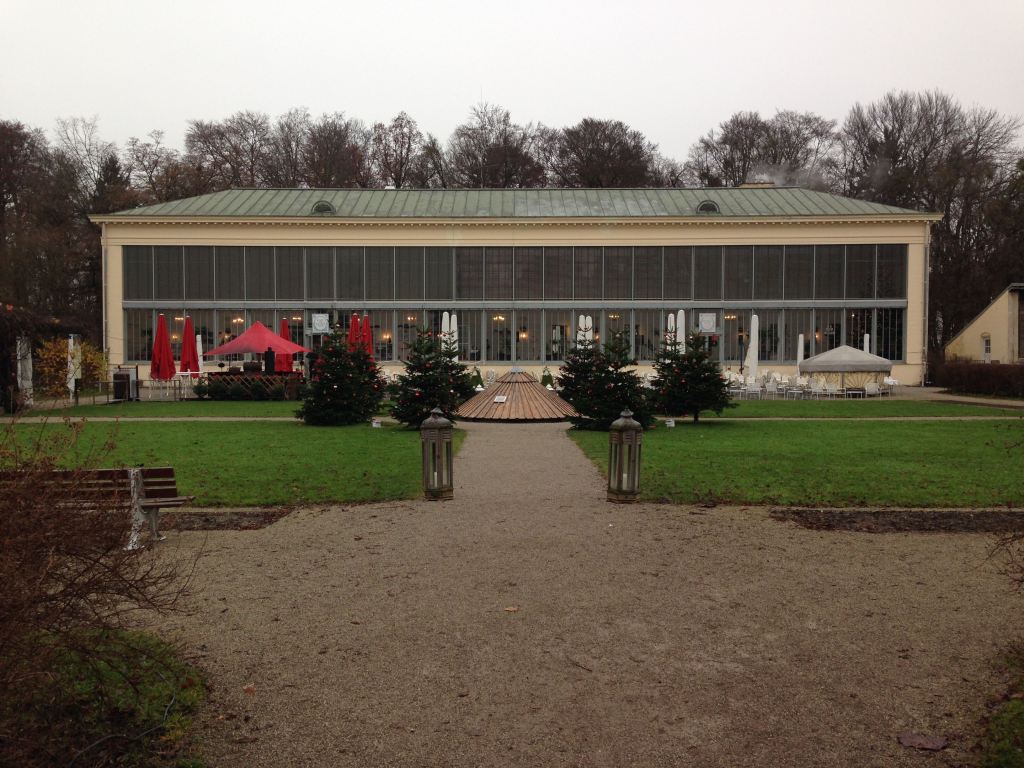
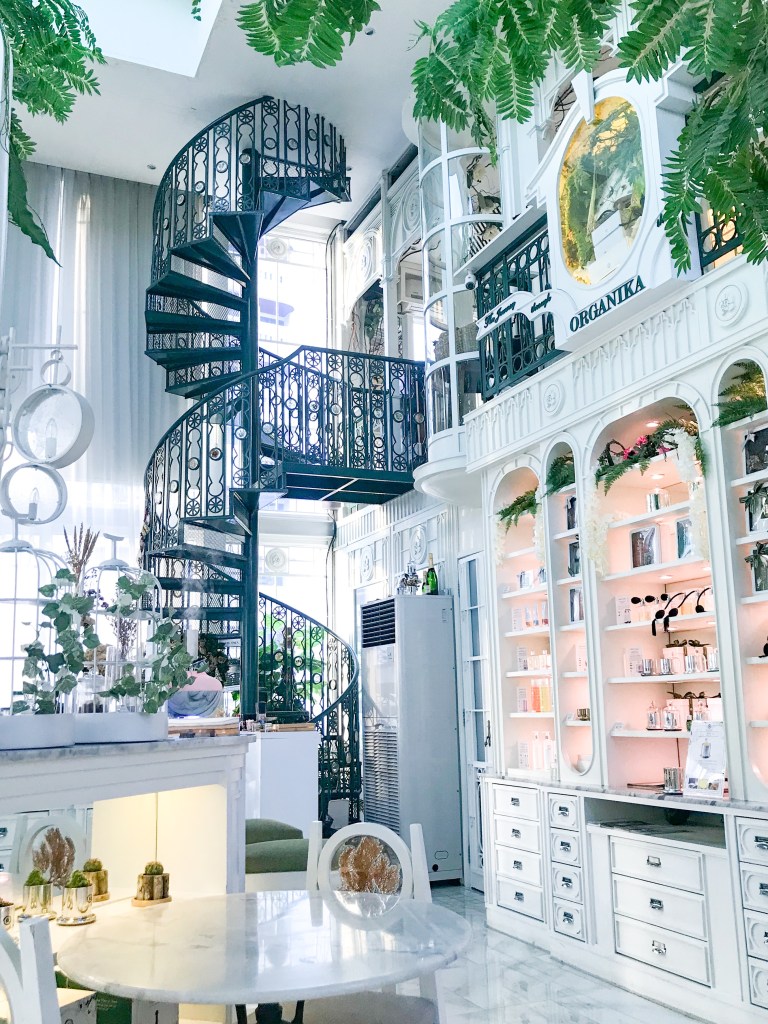
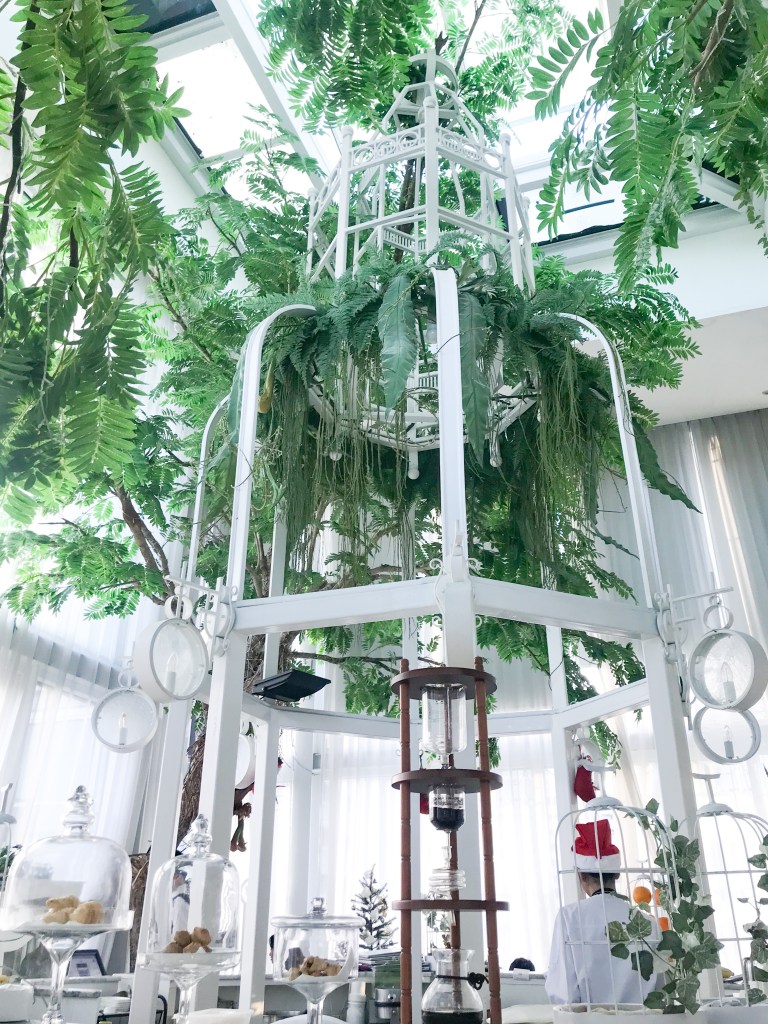
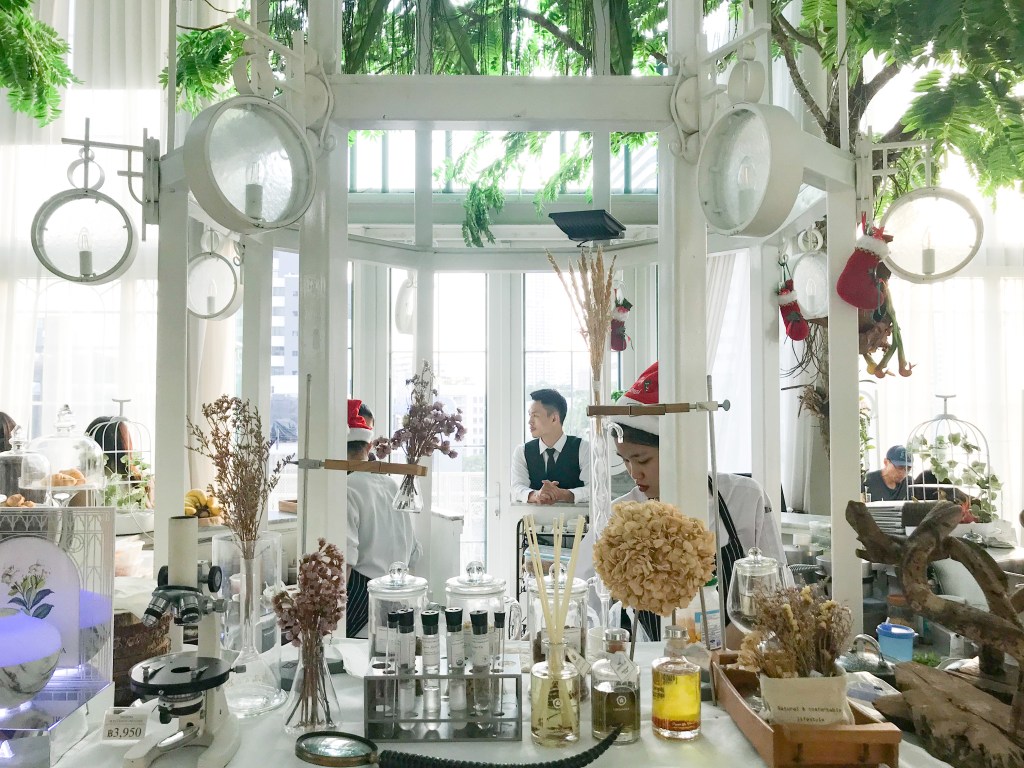
The outlook doesn’t match with Nymphenburg Palace, coz it was a green house during the dynasty. It was a isolated corner in the garden of the palace, I went there to get the cream puff discount offered with Munich card. (offer is now unavailable) Anyway there are no other places to eat, as Nymphenburg is located in a residential area and the palace itself is huge.
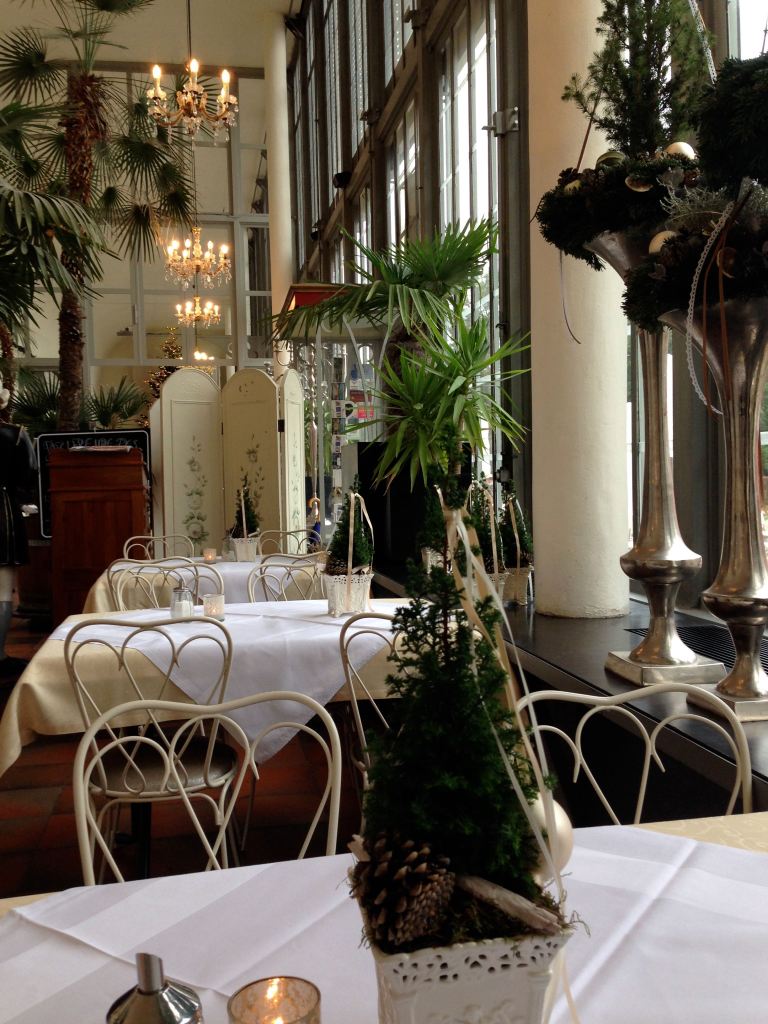
I love the sophisticated interior. No wonder it’s being used as a wedding venue.
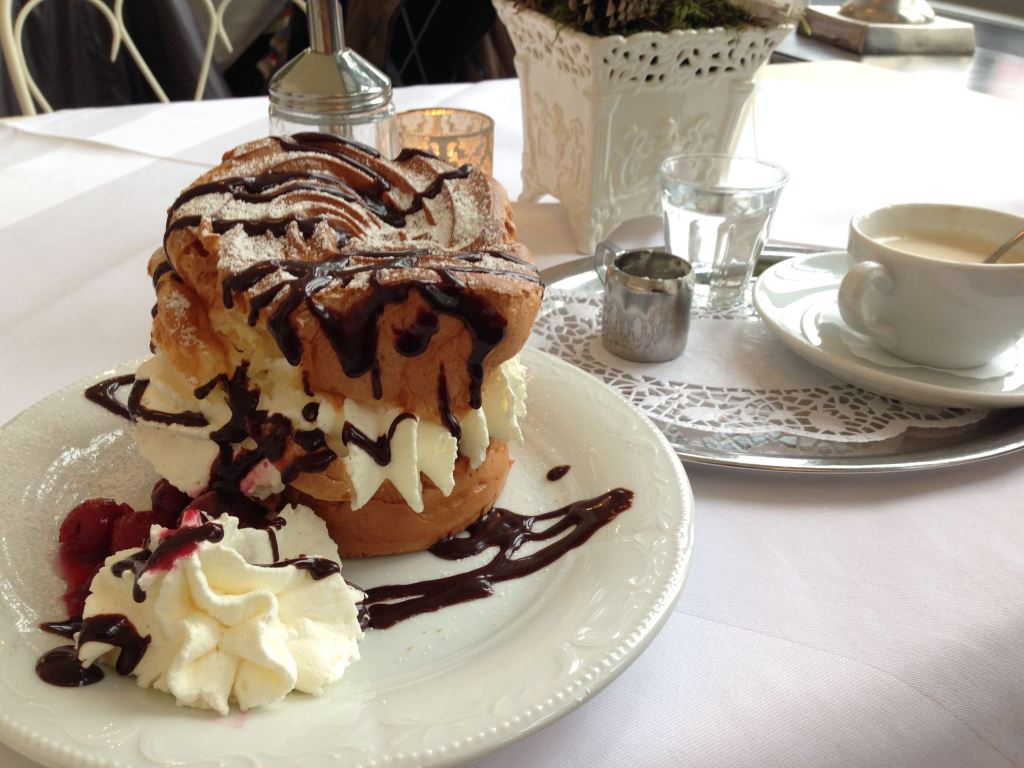
Here comes the ‘Windbeutel‘ (German cream puff) I was shocked by the size (compare the coffee cup!), the cute elderly table besides me clapped after I finished it alone. It was sugary, but surprisingly not feeling that bloated as it’s kinda fluffy. The cream saves the dessert, it’s not the cheap sweeteners one.
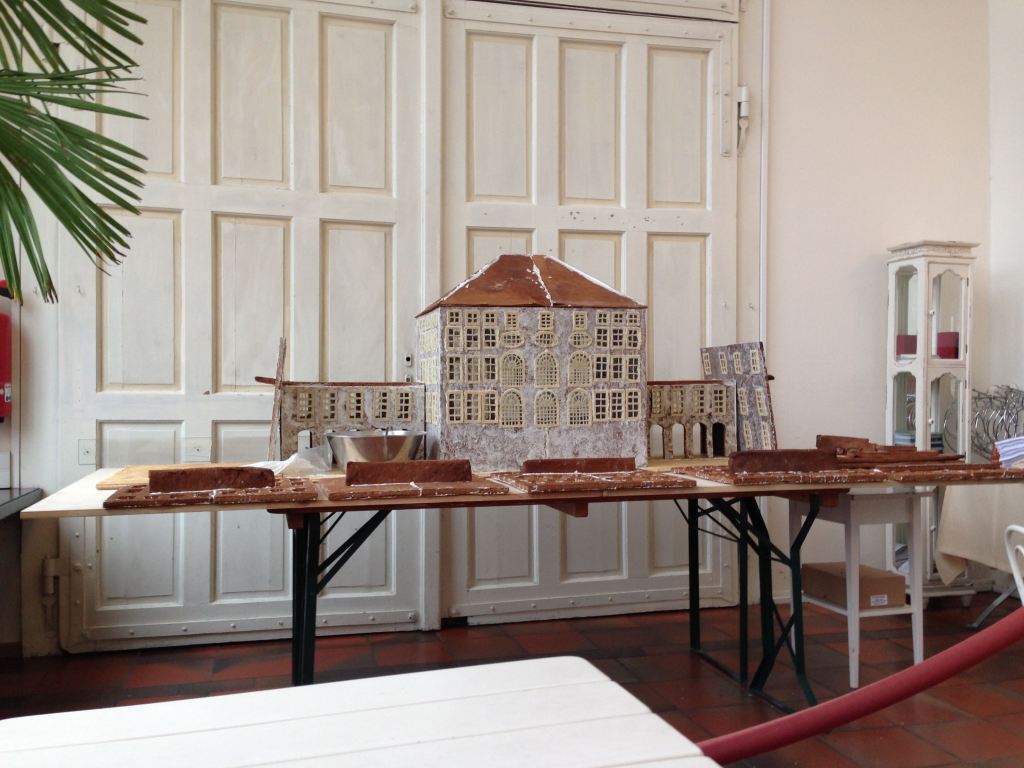
I went there in Winter and they were making a gingerbread Nymphenburg from scratch. Crazzyyyyy…
I love this cafe, cozy and warm. Maybe coz it’s a greenhouse?
Starbucks
Residence for 8th Division Commander, Hirosaki
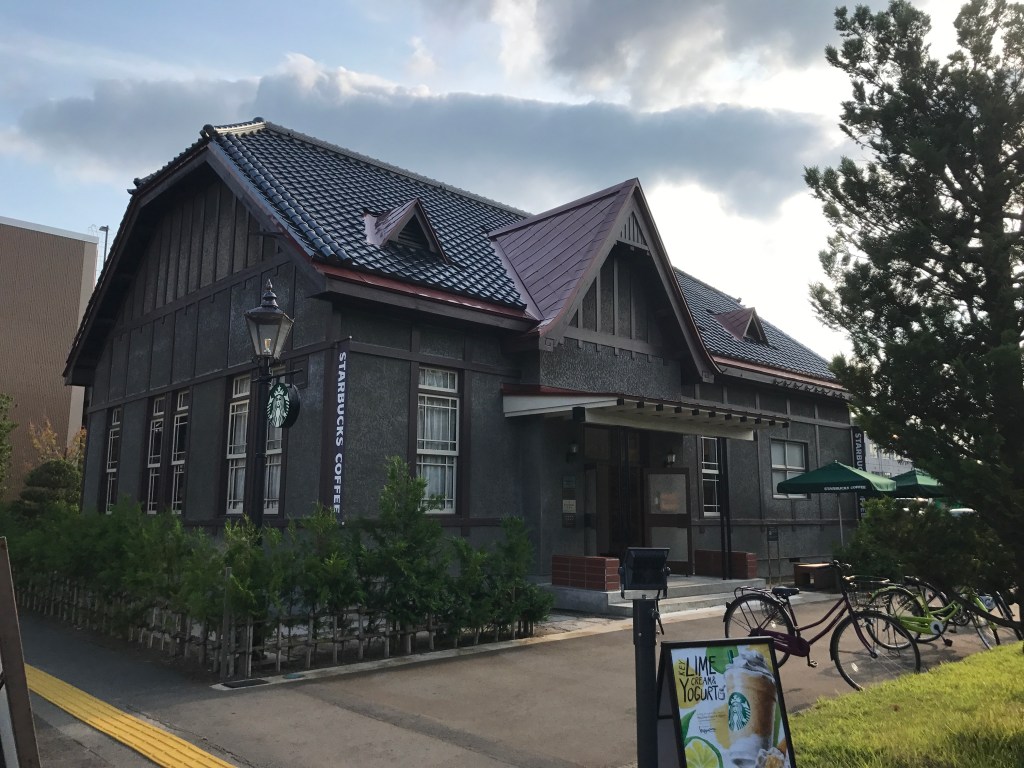
Yes, it’s a starbucks. Hirosaki is a small city in Aomori prefecture, Japan. Most tourists come for the Hirosaki castle built in 1600, and the Starbucks is right opposite the castle park.
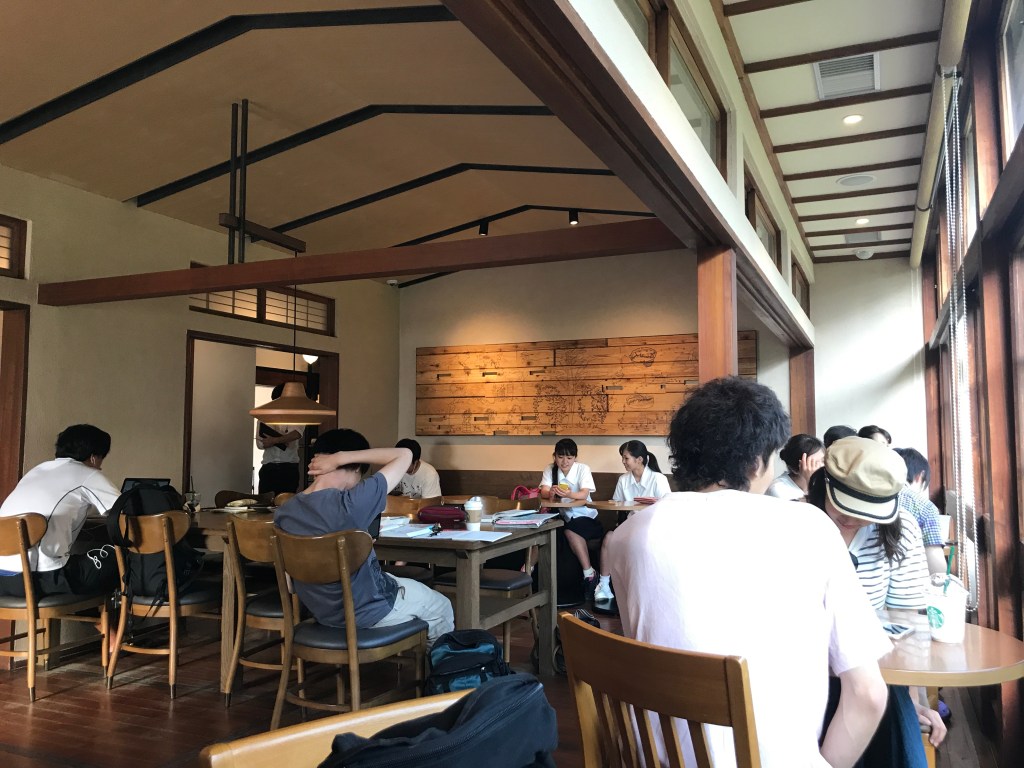
The building is built during the Daisho period (around 1910s), when Western culture started influencing Japan. That’s why the infrastructure is sort of a mix between Western and traditional Japanese design.
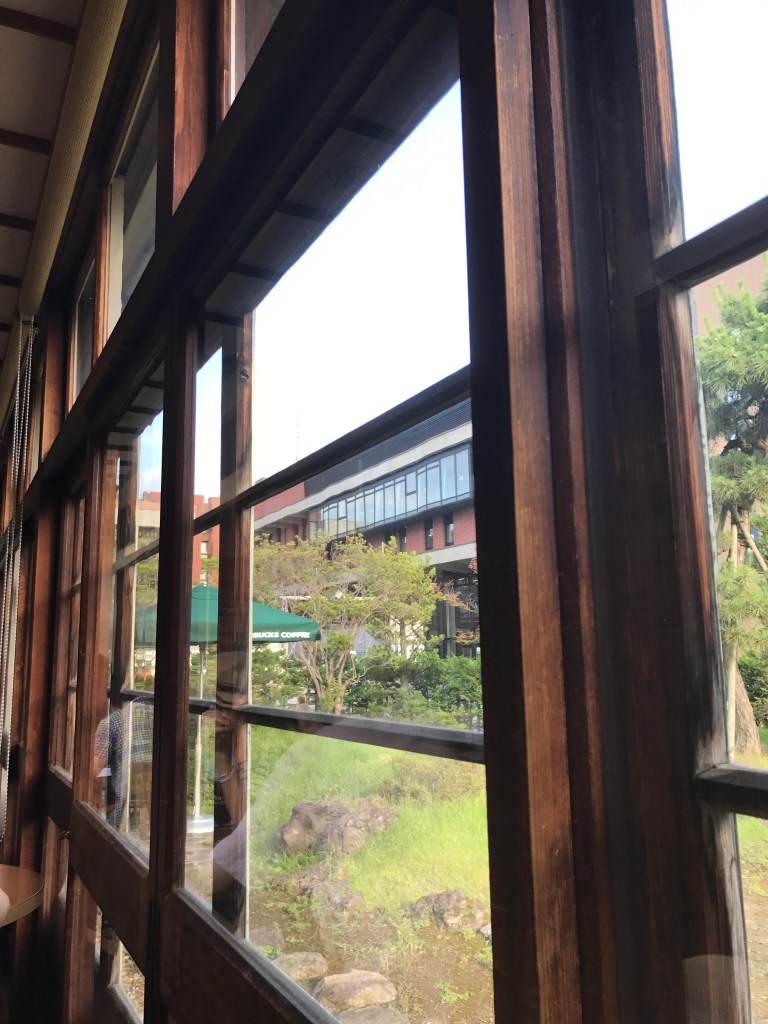
I’d leave commenting Starbucks beverage, just loving my seat along the very Japanese-styled sliding door. The shop has different rooms, some with the soldiers’ photos and some in a steam-punkish style, as the place was born in the midst of the machine age.
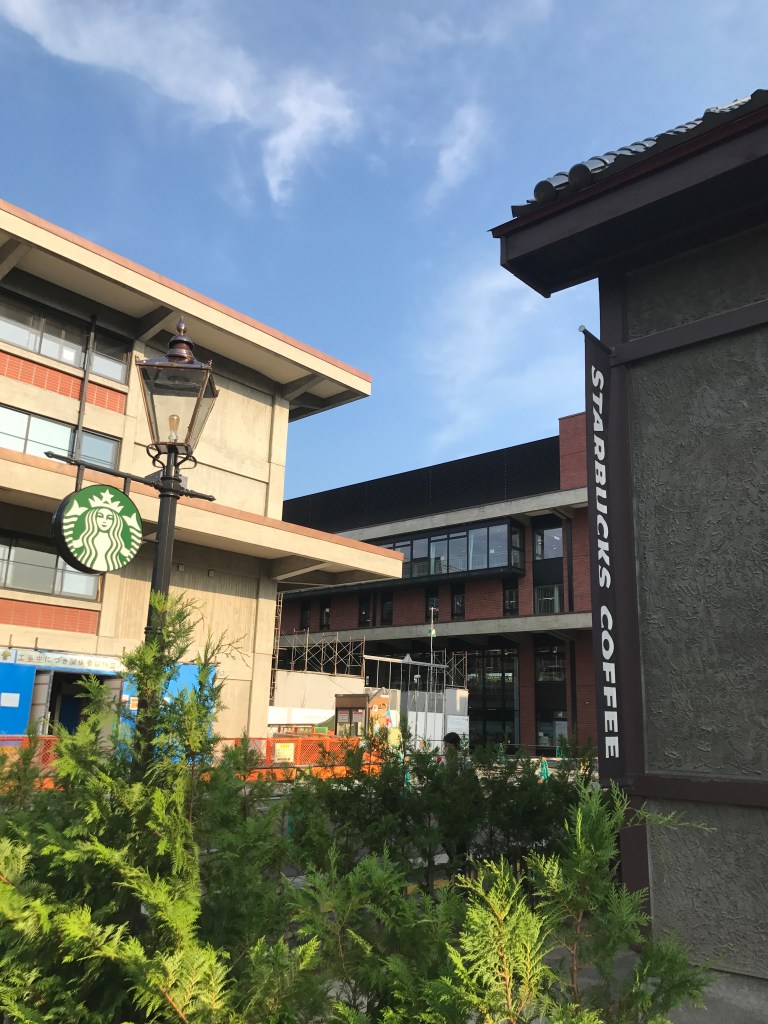
As the building was once used as residence of the city councillor, it’s still in the area of city council and is being registered as a national heritage.
Gallery Cafe Gahoe Hankyunghun
Bukchon Hanok Village, Seoul
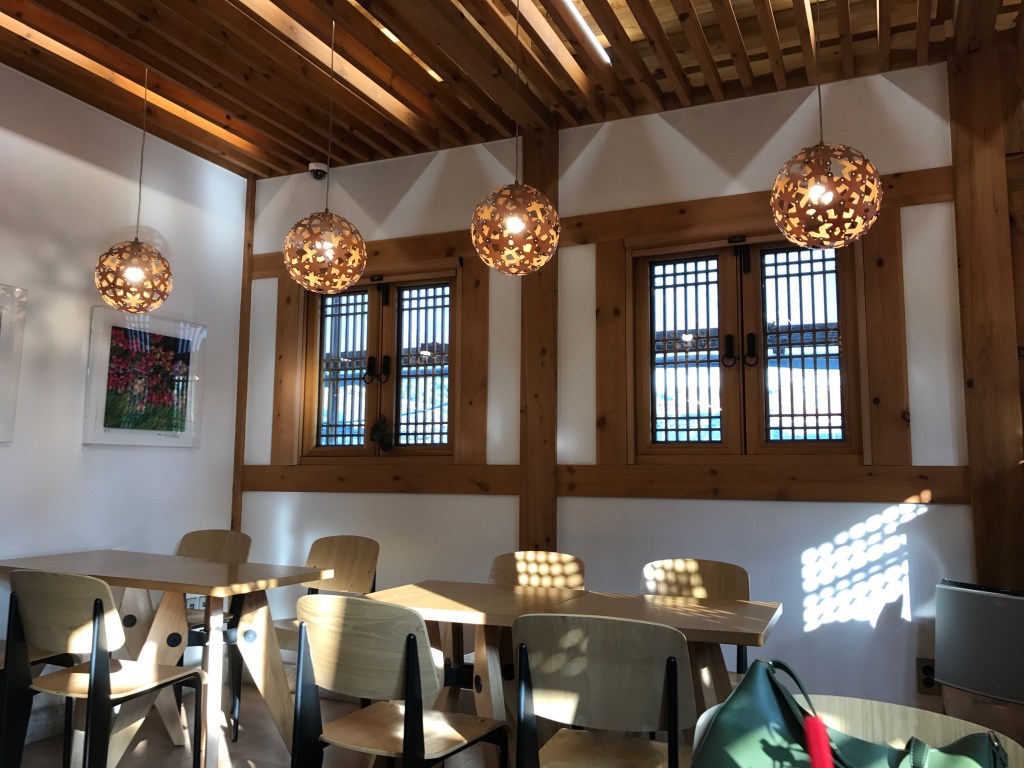
Bukchon is an area in center Seoul, made up by a cluster of traditional Korean houses, ‘hanok’. The area received the UNESCO Asia-Pacific Heritage Awards for Culture Heritage Conservation, as it demonstrates cultural activities in most of the ‘hanok’ and it has a 600-year history background.

I couldn’t take a proper pic of the outside as it was under renovation. For the cafe, it’s a very rare case among the traditional village – it’s newly constructed by a super famous architect in Korea. The architect wanted a place in Bukchon to exhibit art done by his wife, but the government forbids any architecture that may ruin the historical landscape, so he built an ancient house in a modern way.
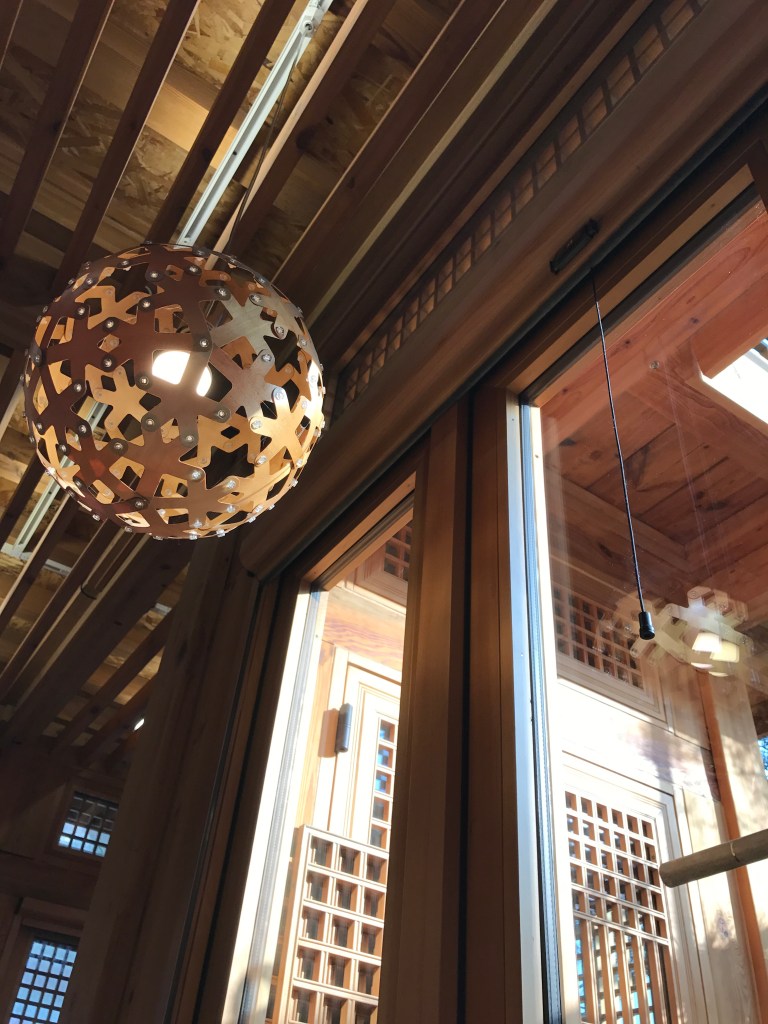
The basement becomes a gallery, with the cafe on top. It utilizes the ancient ventilation methods, and modern technology to resemble a wooden structure.
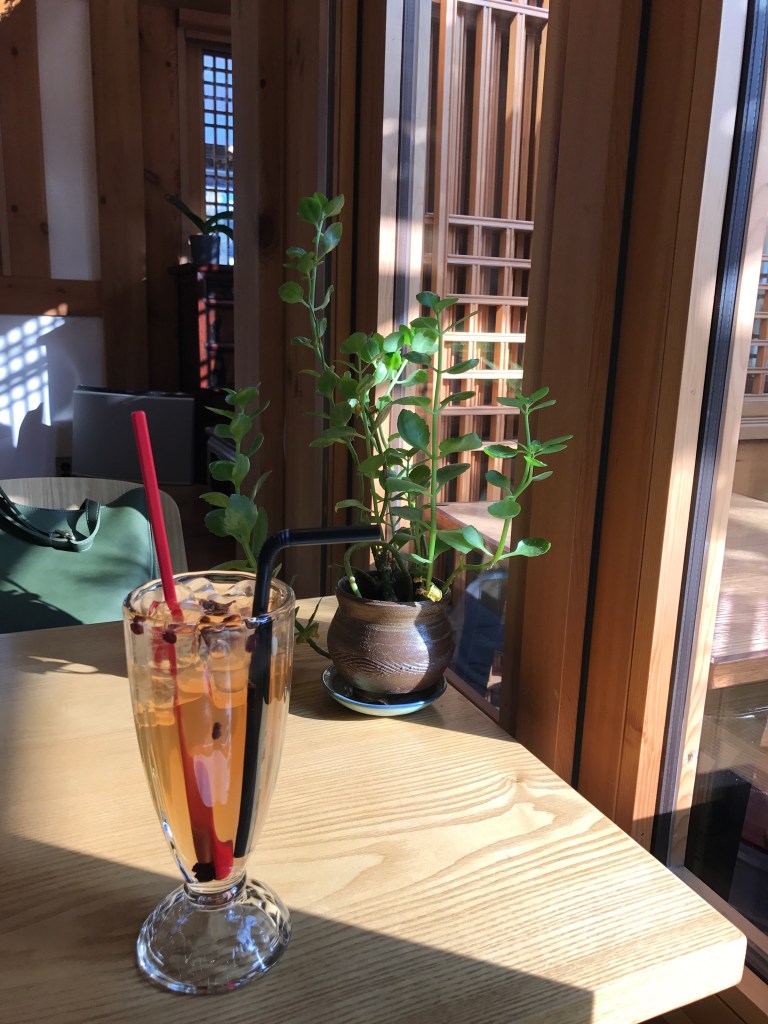
Even the beverage is a fusion. This is ‘omija‘, traditional korean tea, in a very modern glassware… omija is made from magnolia berry, and korean ‘fruit tea’ is not really ‘tea’, it’s kinda shallow juice. I am really in love with omija, sour and refreshing, and healthy! (so it claims)
Min Family’s House Sarang Chae
Namsangol Hanok Village, Seoul
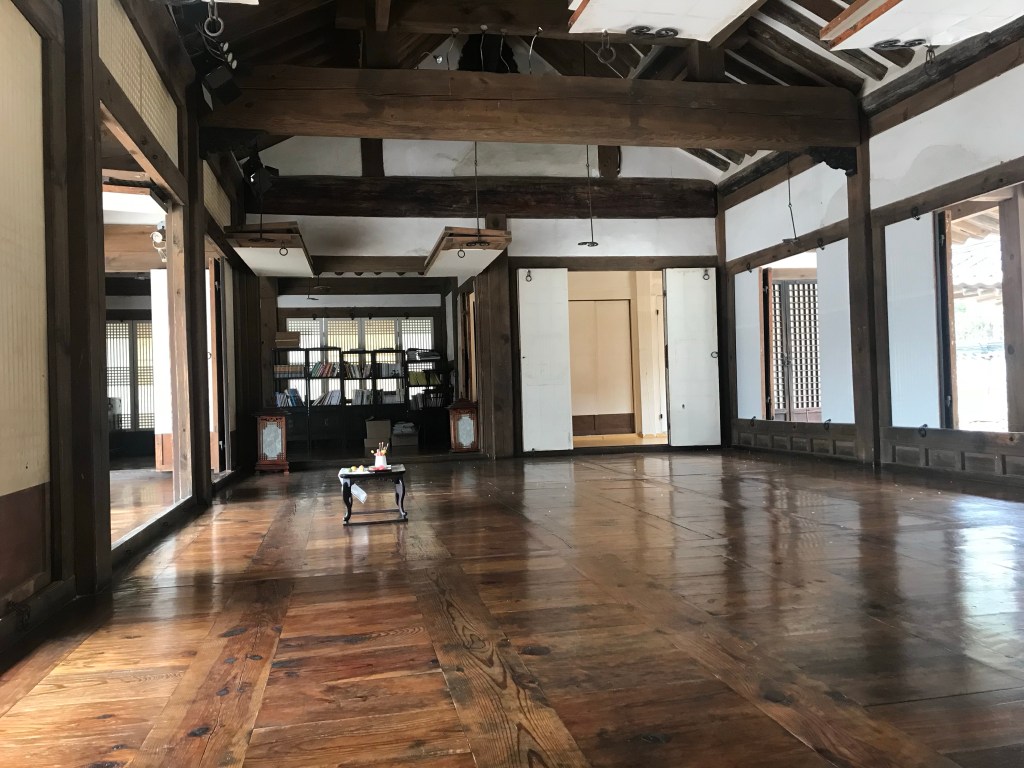
It’s not really a cafe, but a workshop in a traditional house to make korean tea cakes and to host tea ceremony. The Namsangol Hanok Village is not a living area, but more like a theme park. It has different exhibitions, workshops and performances happening in the historical hanoks.
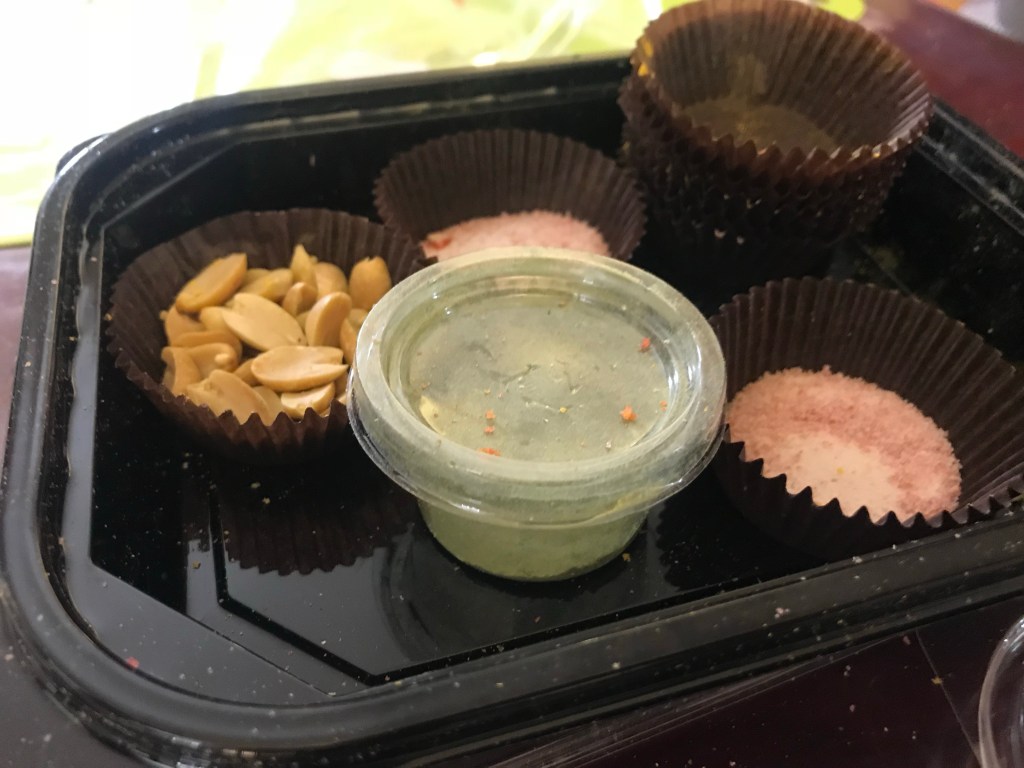
It costs me 10000 won (10 USD?) for the tea cake making, and that’s all the ingredients… a bit disappointing to be honest. It’s a very traditional type of tea cake in Korea, called ‘Dasik‘, which doesn’t require any cooking/baking. All you do is squeezing the flour with the colored powder such as matcha (green), sakura (pink) and nuts and mix them.
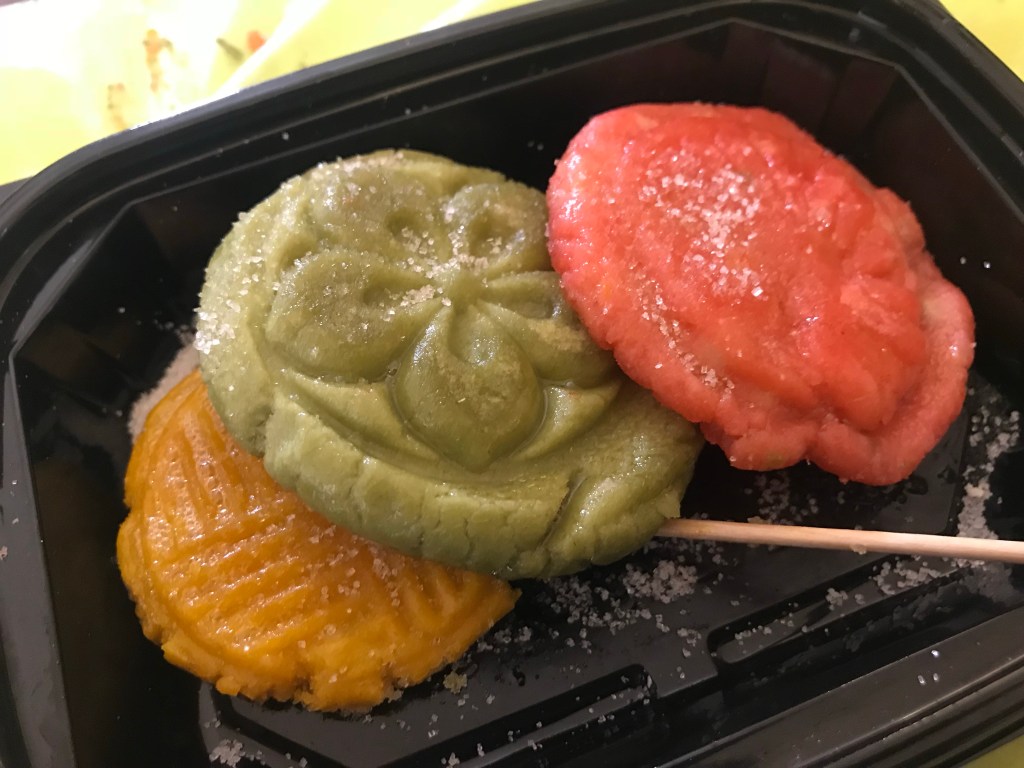
Then you squeeze the mixture into a mould called ‘Dasik plate‘ and done! Add some sugar, or mix some syrup into the flour if less lazy. It tastes good! Just a bit dry coz I was expecting some sauce or cream inside. The teacher could not speak English but I could barely understand the steps and she’s very friendly.
It wasn’t a bad experience, but it’s really simple for its price! I mean I handmade a traditional korean mirror in the cultural exchange center for FREE the day before! Anyway, TOURIST PRICE FOR TOURIST, fair enough.
Bonus – revival of traditional flavor :
Caffe Pasiya, Korea
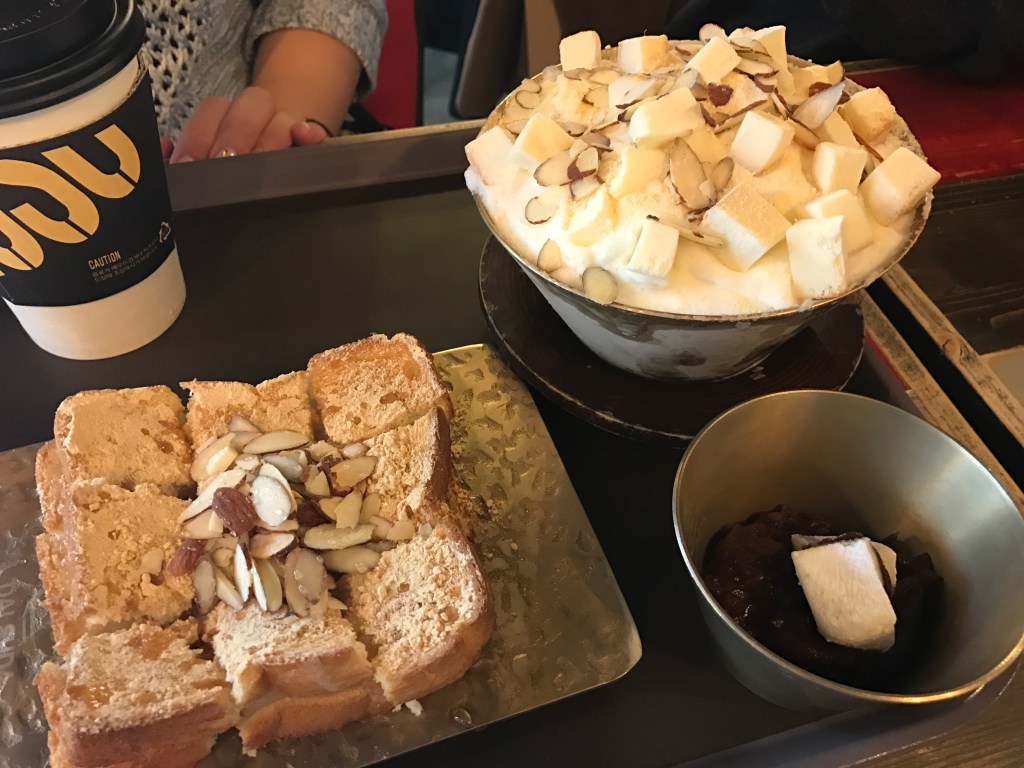
It’s a cafe chain famous for its ‘injeolmi’ flavor.
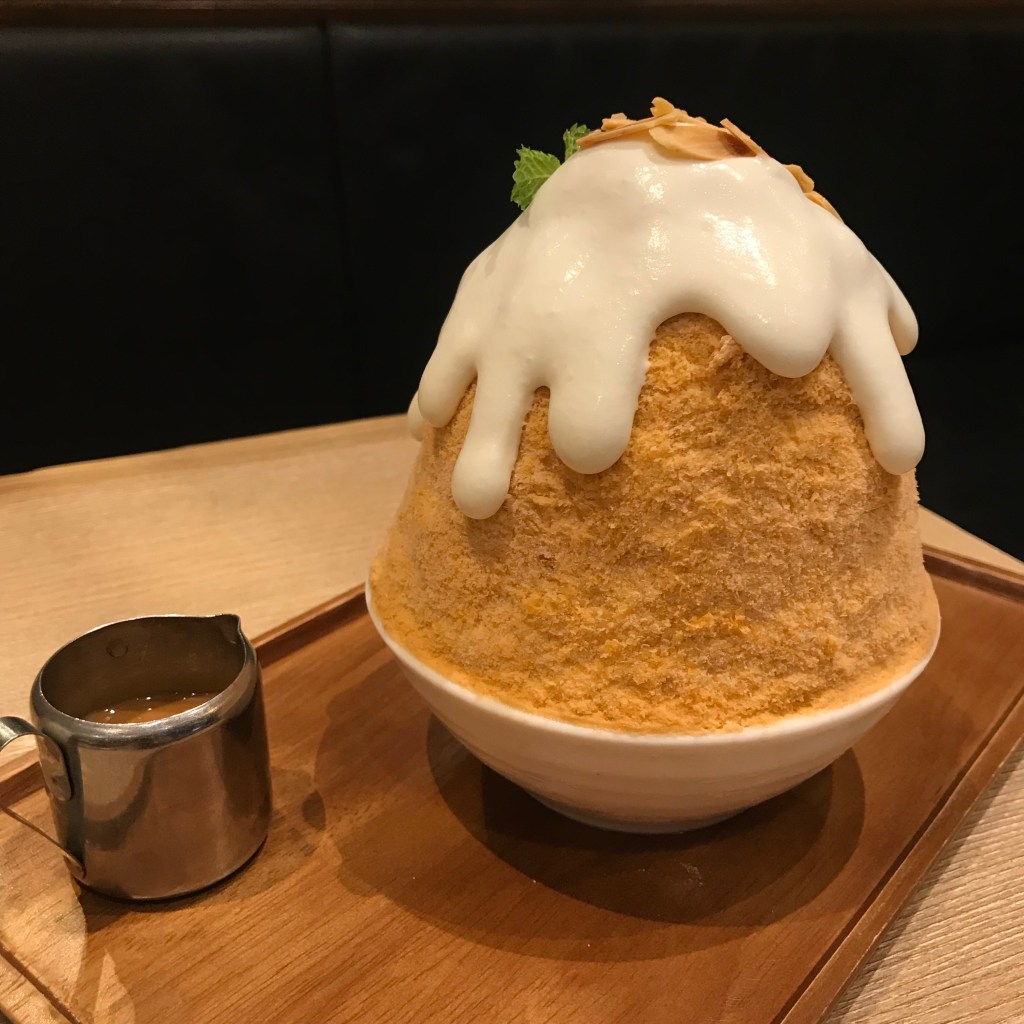
Injeolmi is a glutinous rice cake, often serves with soybean powder, dates and nuts. The toast and the ‘bingsu’ (shaved ice) is a fusion of traditional korean flavor and western dessert. Very nutritious but sweet and instagrammable.
The toast‘s super crispy with honey coating, and it got rice cake in between two layers! The chemical reaction of the crunchiness and chewiness is superb!!
The shaved ice is not really ‘ice’, it’s milk! And then you drizzle condensed milk on top before eating. The milky and rich shaved ice is already very good, the injeolmi just turns things into next level by balancing the sweetness of the original bingsu, making it much more easier and healthier in clearing the entire bowl.
A word to conclude…
Everything in the planet needs marketing, to upgrade their impressions. Whether it is ‘vintage’ or ‘old-fashioned’ , all depends on its packaging. The revival isn’t only a renovation, but also bringing its meaning of existence back alive.
 Norms & Weirdos