Café in the World – Modern Revival

Even a glamorous architecture loses its shine without audience.

Therefore many of them, after completing the original mission, evolve into something new. And places which are once out of our reach, become very friendly.

Café Gloriette

Schönbrunn Palace, Vienna
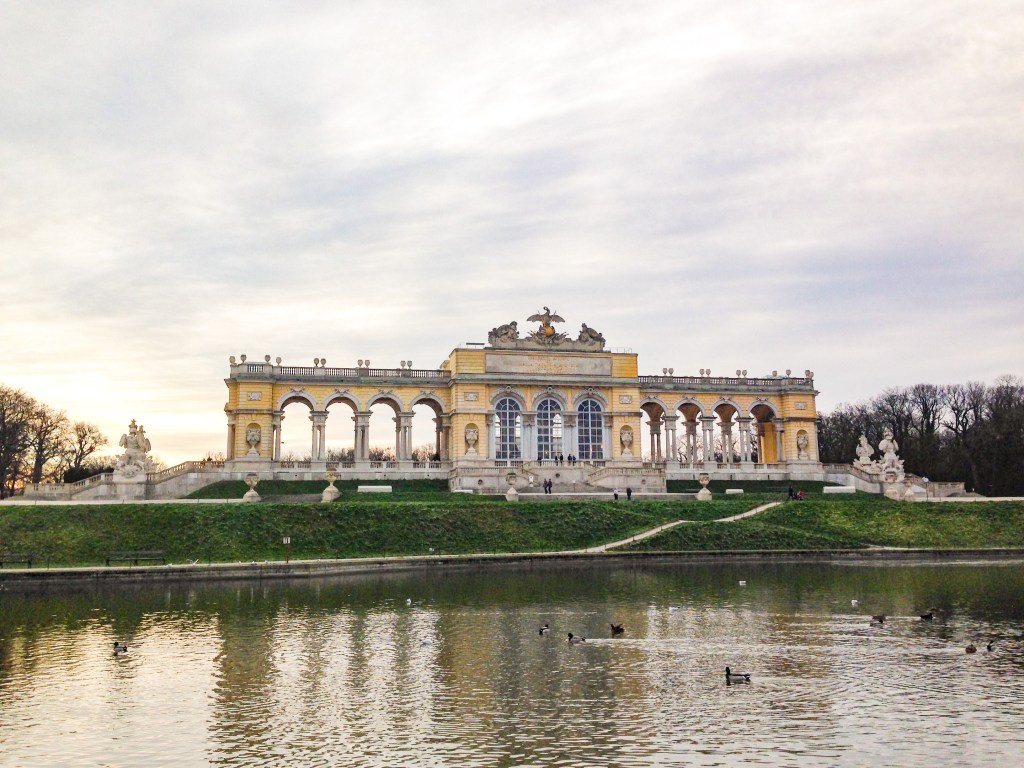
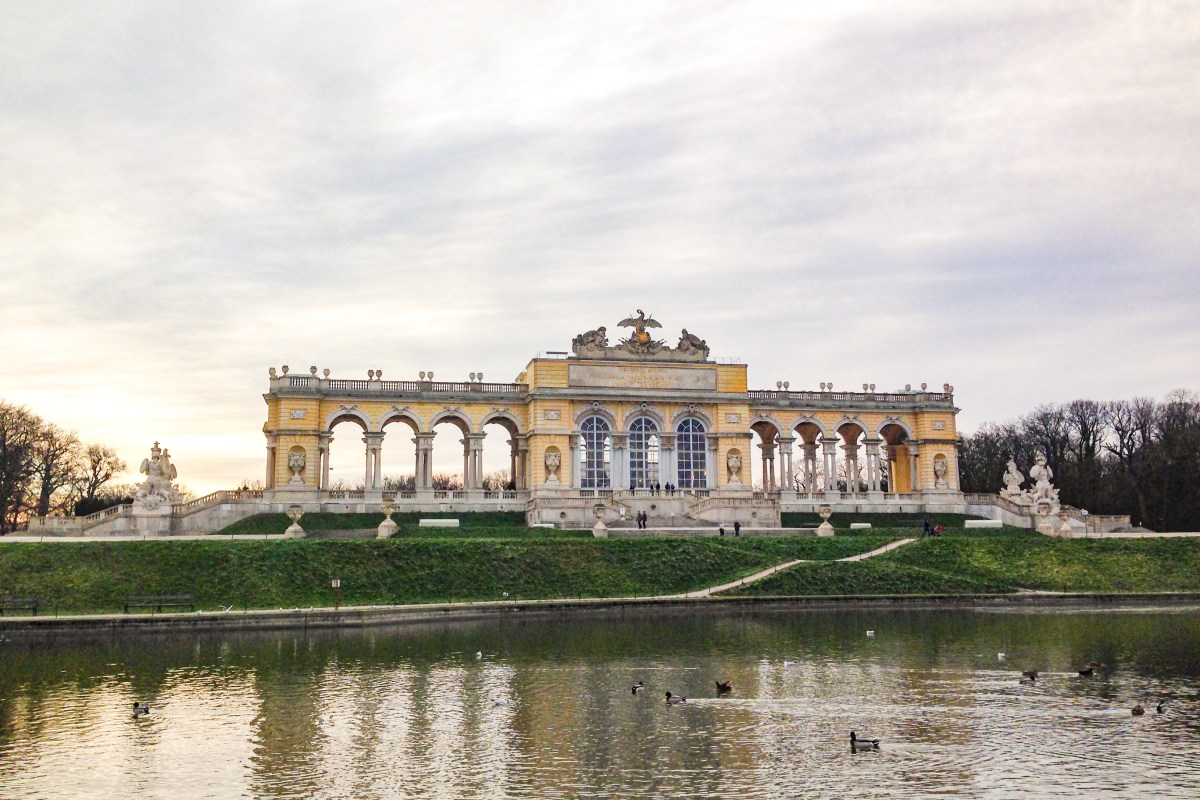
The Schonbrunn Palace is a must-go tourist spot in Vienna (it’s the yellowish palace you see on postcards), and the Gloriette is right in its garden.
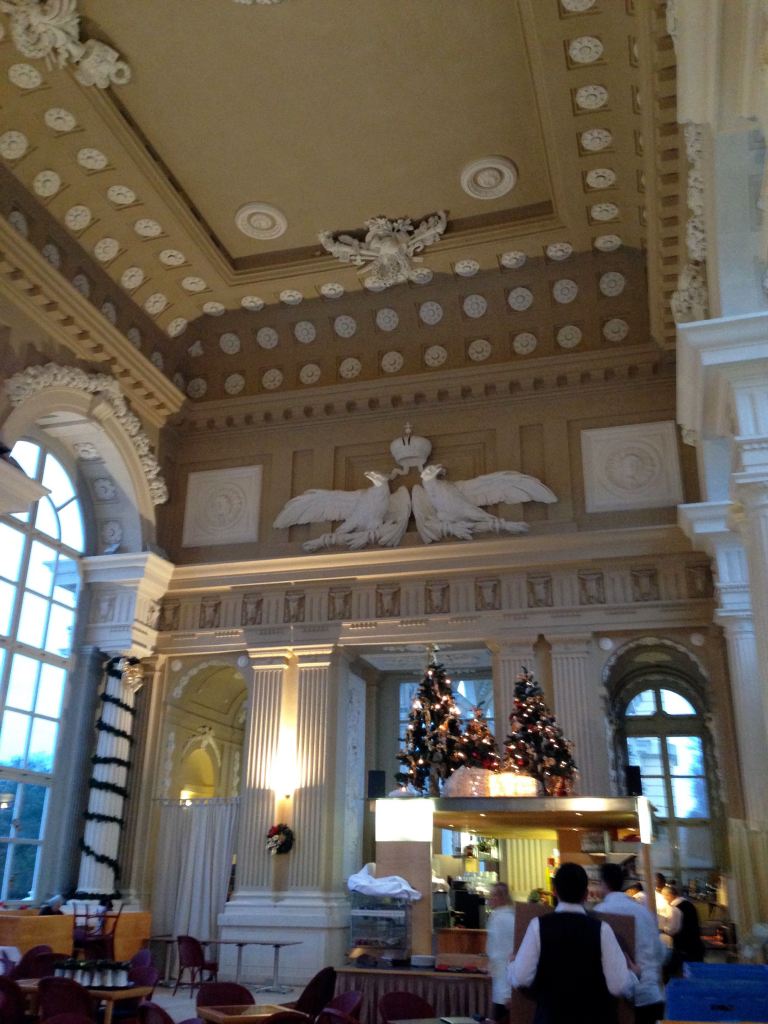
As the Gloriette is elevated with respect to its surroundings, the cafe was being used as the dining hall of the Emperor back in the 17th century, and the roof as an observation lookout throughout the years. The places wasn’t open to the public until 90s.
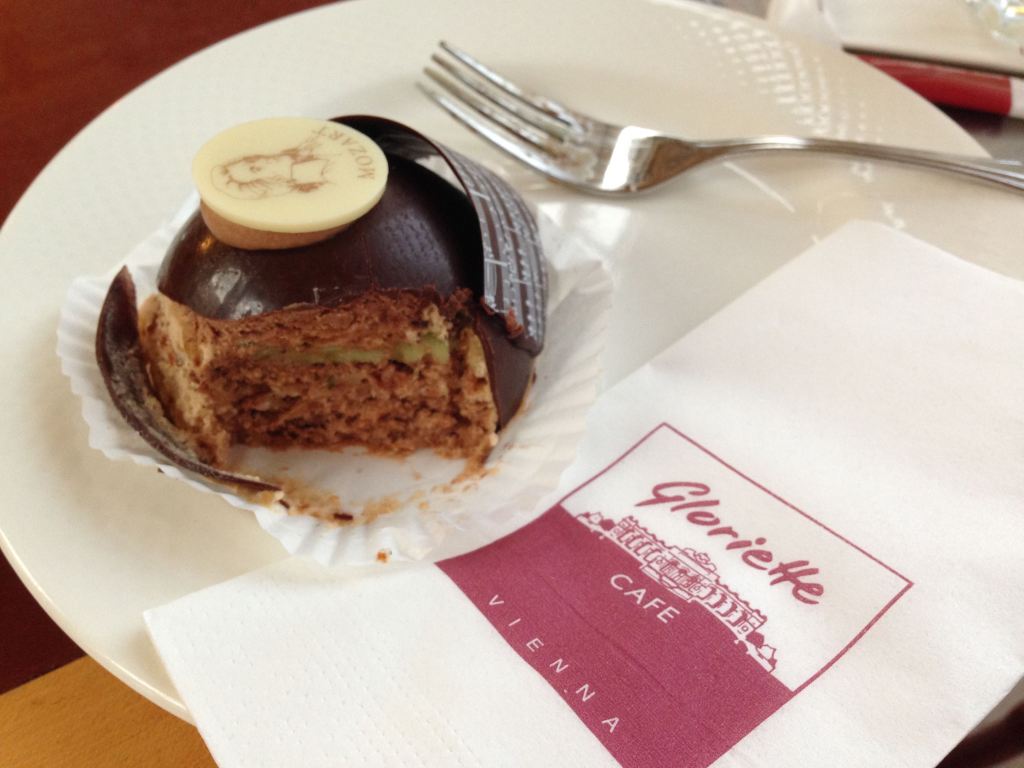
The cafe is famous for its ‘Sisi Torte‘ – cake with orange and nougat cream. I ordered the ‘Mozart Torte‘ instead as I hate fruit-flavored additives. Mozart Torte is a crispy cake, with pistachio marzipan and chocolate/hazelnut cream. Tourists may need to google all the cake names to understand what it actually means, the cafe has lots of exclusive dessert variations.

The Torte tastes good, and the price is slightly high for the imperial taste.

website


Schlosscafé Im Palmenhaus

Schloss Nymphenburg, Munich
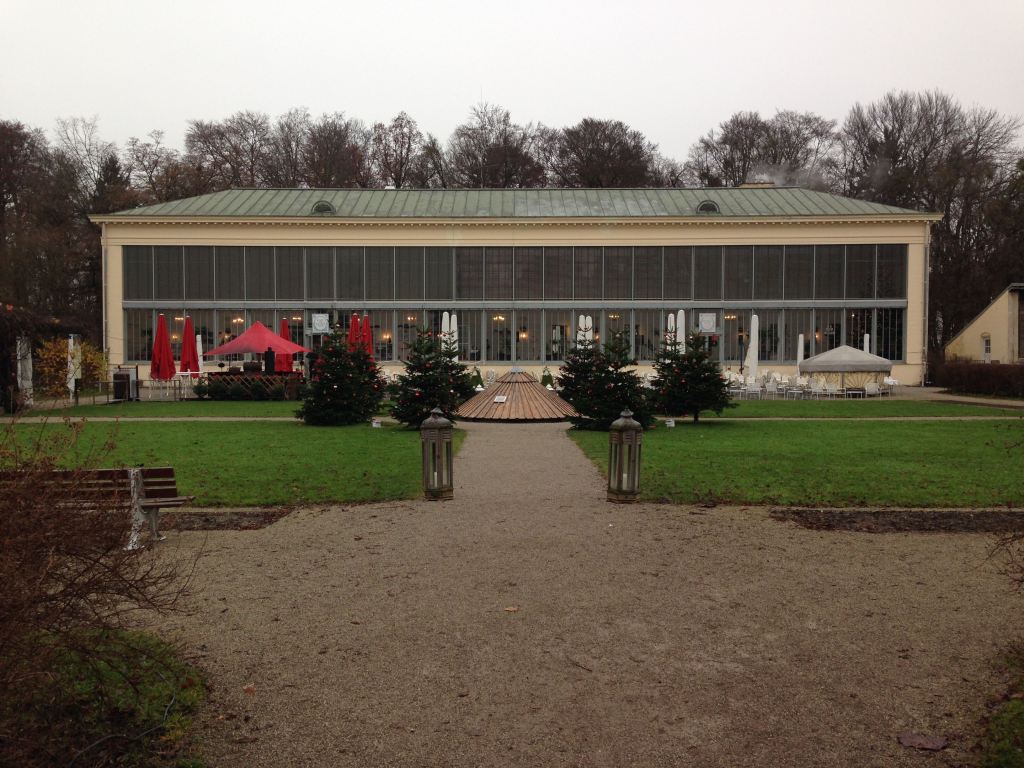
The outlook doesn’t match with Nymphenburg Palace, coz it was a green house during the dynasty. It was a isolated corner in the garden of the palace, I went there to get the cream puff discount offered with Munich card. (offer is now unavailable) Anyway there are no other places to eat, as Nymphenburg is located in a residential area and the palace itself is huge.
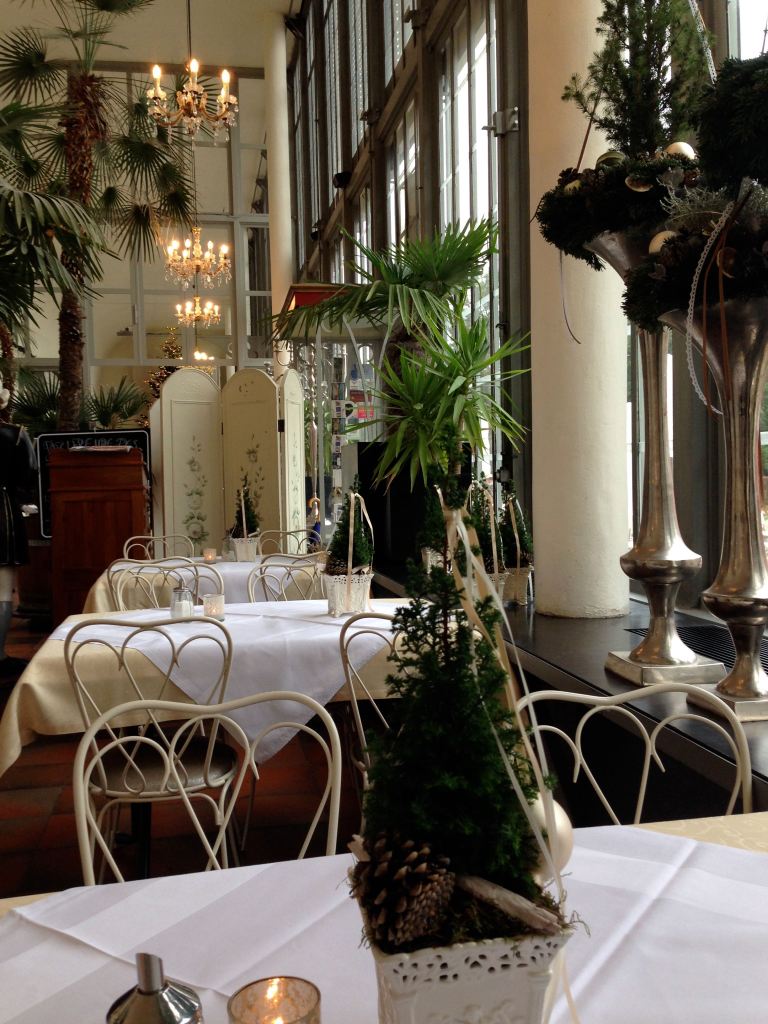
I love the sophisticated interior. No wonder it’s being used as a wedding venue.
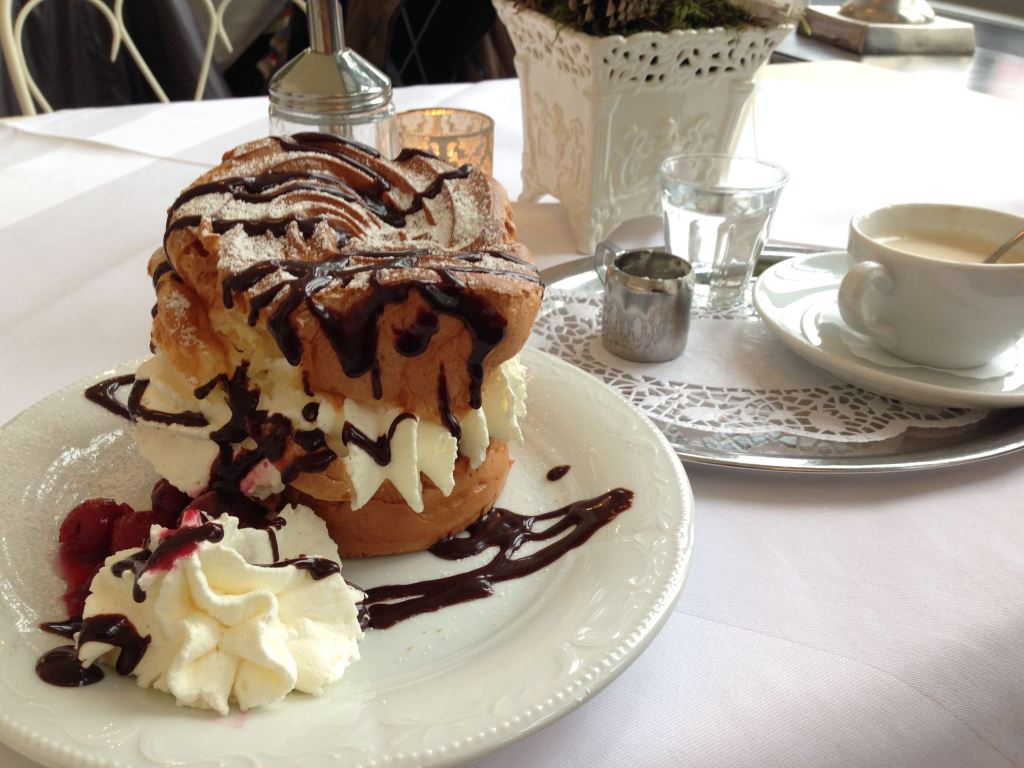
Here comes the ‘Windbeutel‘ (German cream puff) I was shocked by the size (compare the coffee cup!), the cute elderly table besides me clapped after I finished it alone. It was sugary, but surprisingly not feeling that bloated as it’s kinda fluffy. The cream saves the dessert, it’s not the cheap sweeteners one.
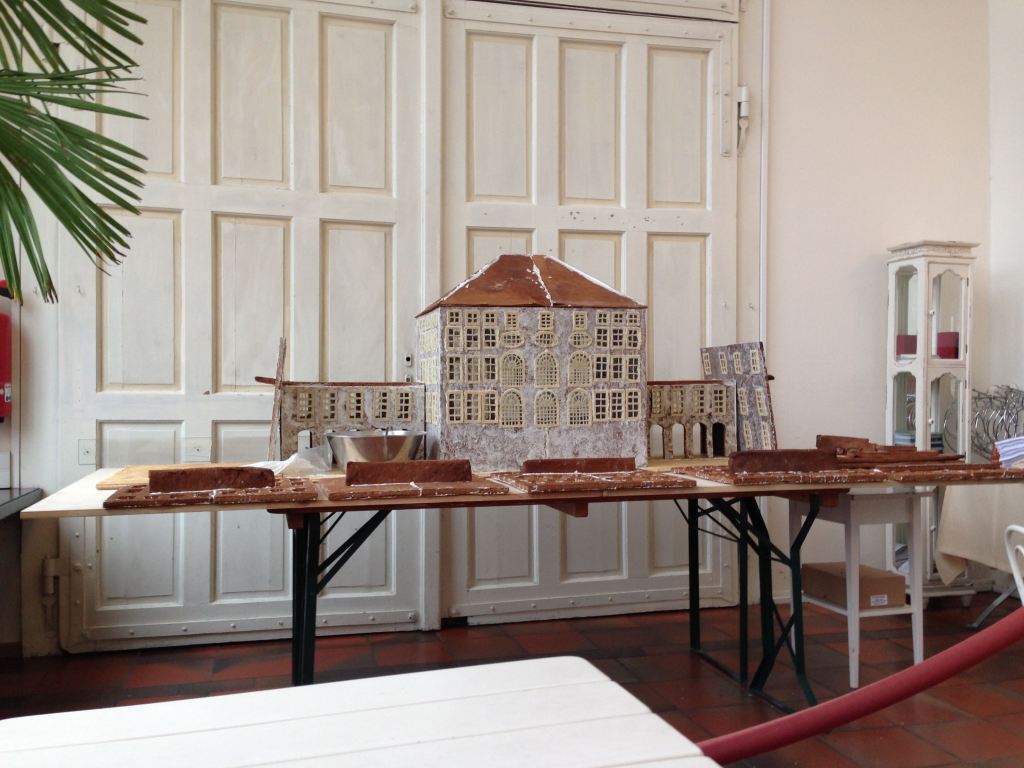
I went there in Winter and they were making a gingerbread Nymphenburg from scratch. Crazzyyyyy…

I love this cafe, cozy and warm. Maybe coz it’s a greenhouse?

website


Starbucks

Residence for 8th Division Commander, Hirosaki
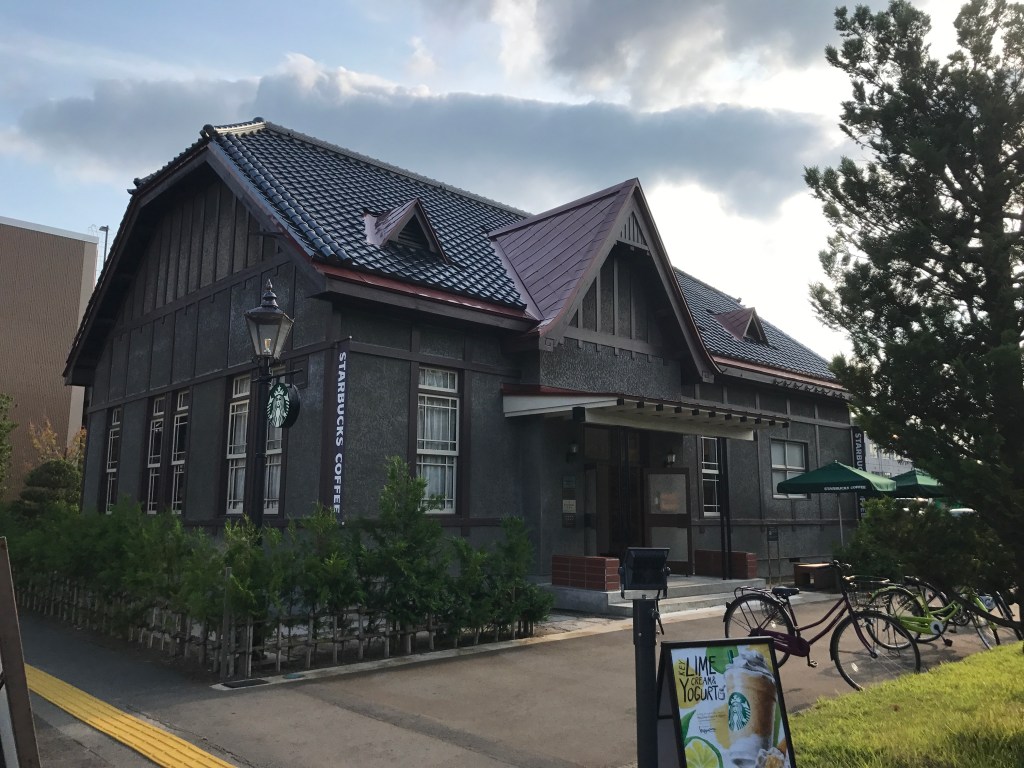
Yes, it’s a starbucks. Hirosaki is a small city in Aomori prefecture, Japan. Most tourists come for the Hirosaki castle built in 1600, and the Starbucks is right opposite the castle park.
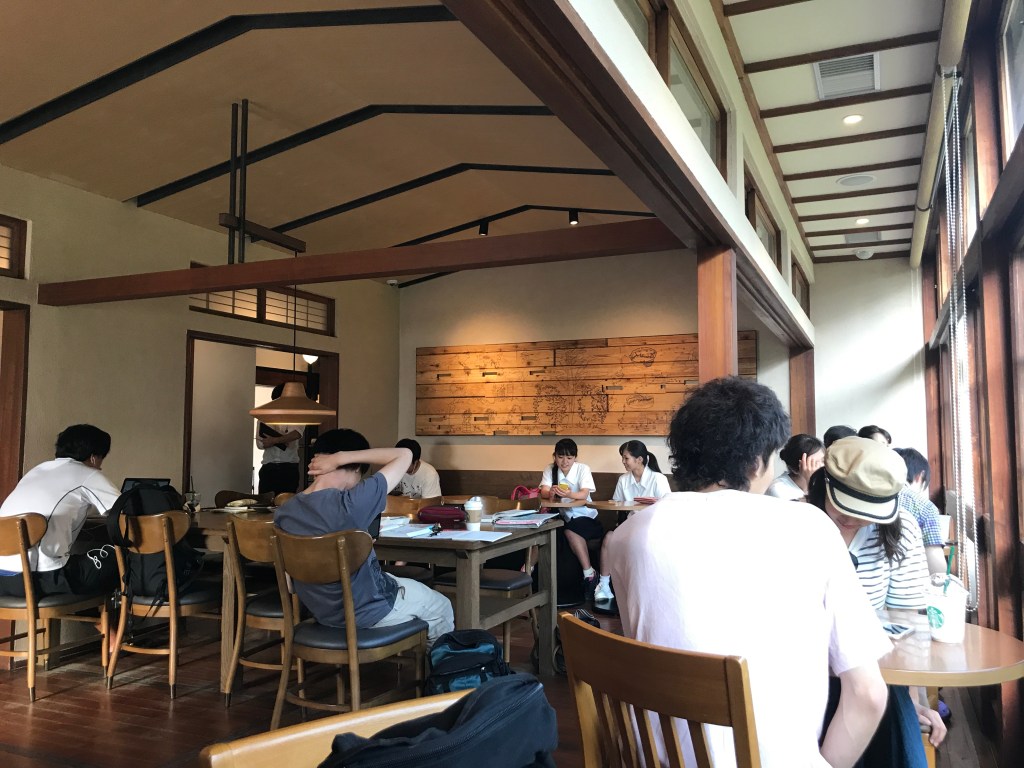
The building is built during the Daisho period (around 1910s), when Western culture started influencing Japan. That’s why the infrastructure is sort of a mix between Western and traditional Japanese design.
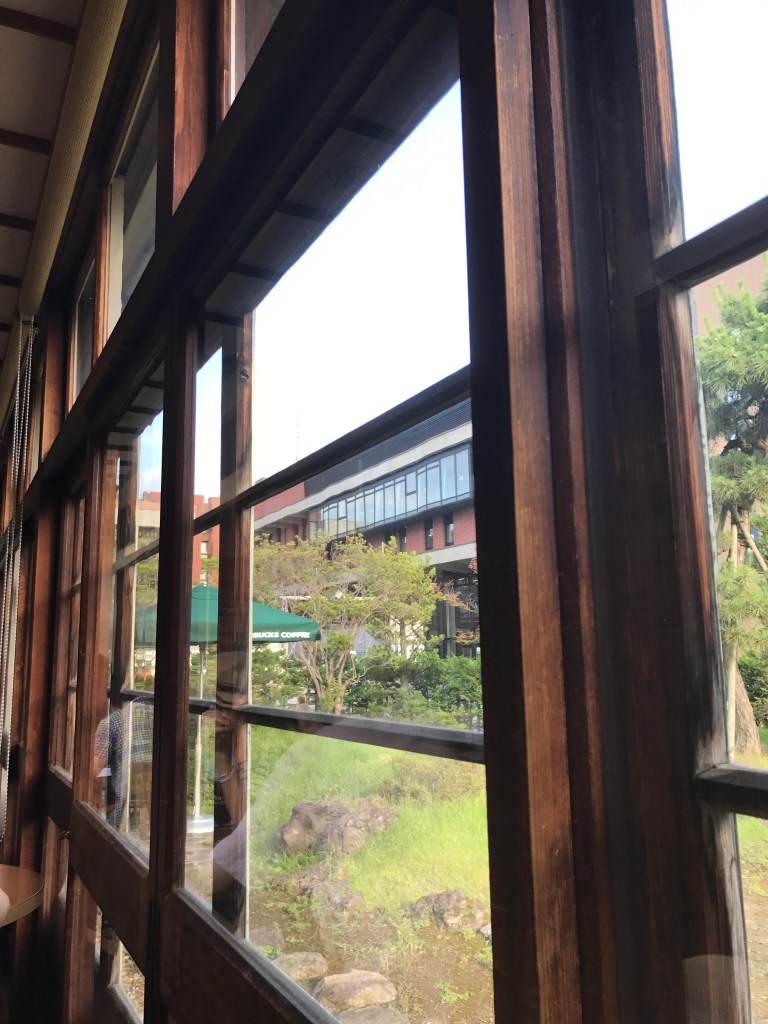
I’d leave commenting Starbucks beverage, just loving my seat along the very Japanese-styled sliding door. The shop has different rooms, some with the soldiers’ photos and some in a steam-punkish style, as the place was born in the midst of the machine age.
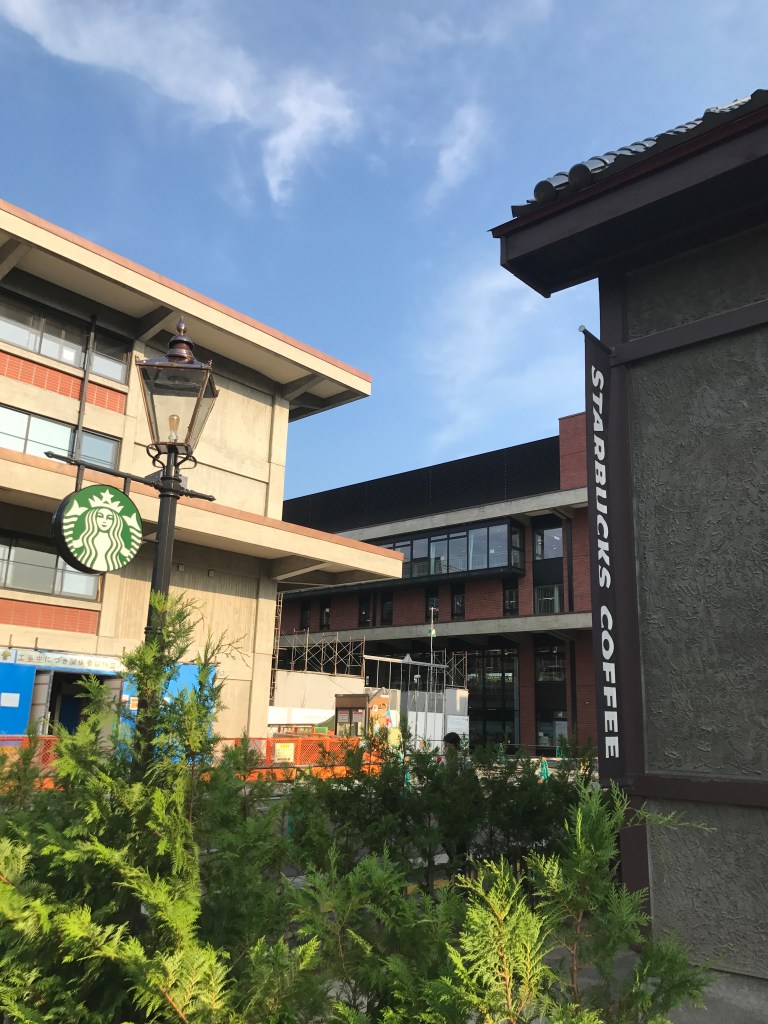
As the building was once used as residence of the city councillor, it’s still in the area of city council and is being registered as a national heritage.

website


Gallery Cafe Gahoe Hankyunghun

Bukchon Hanok Village, Seoul
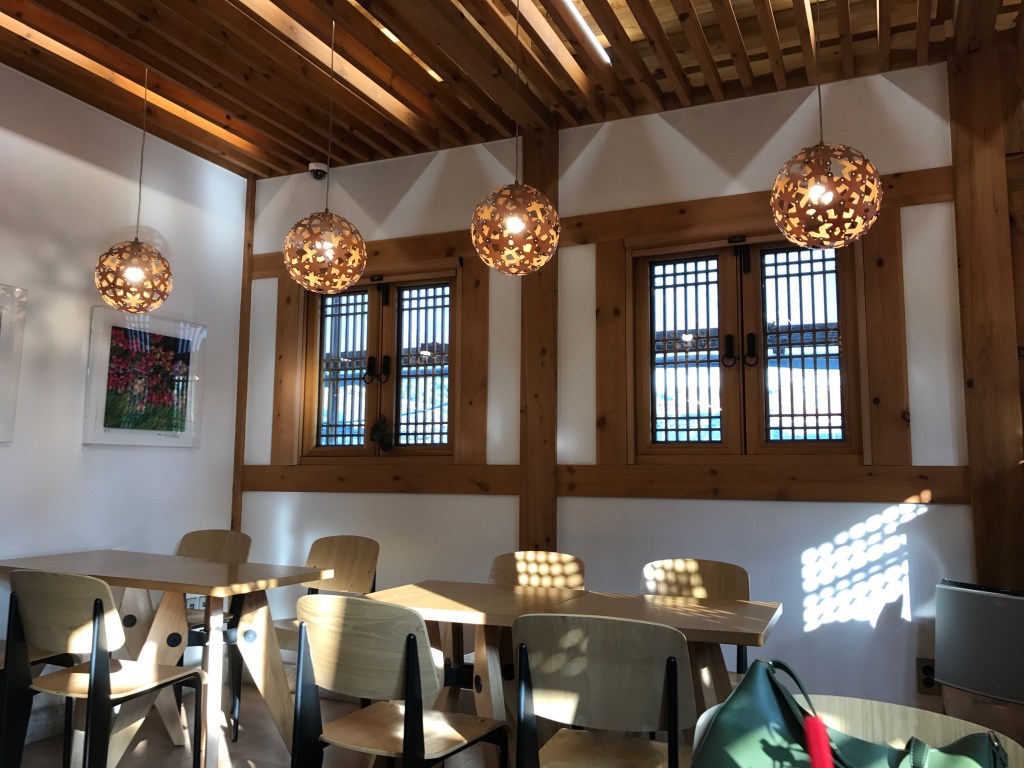
Bukchon is an area in center Seoul, made up by a cluster of traditional Korean houses, ‘hanok’. The area received the UNESCO Asia-Pacific Heritage Awards for Culture Heritage Conservation, as it demonstrates cultural activities in most of the ‘hanok’ and it has a 600-year history background.

©Korea Construction Newspaper

I couldn’t take a proper pic of the outside as it was under renovation. For the cafe, it’s a very rare case among the traditional village – it’s newly constructed by a super famous architect in Korea. The architect wanted a place in Bukchon to exhibit art done by his wife, but the government forbids any architecture that may ruin the historical landscape, so he built an ancient house in a modern way.
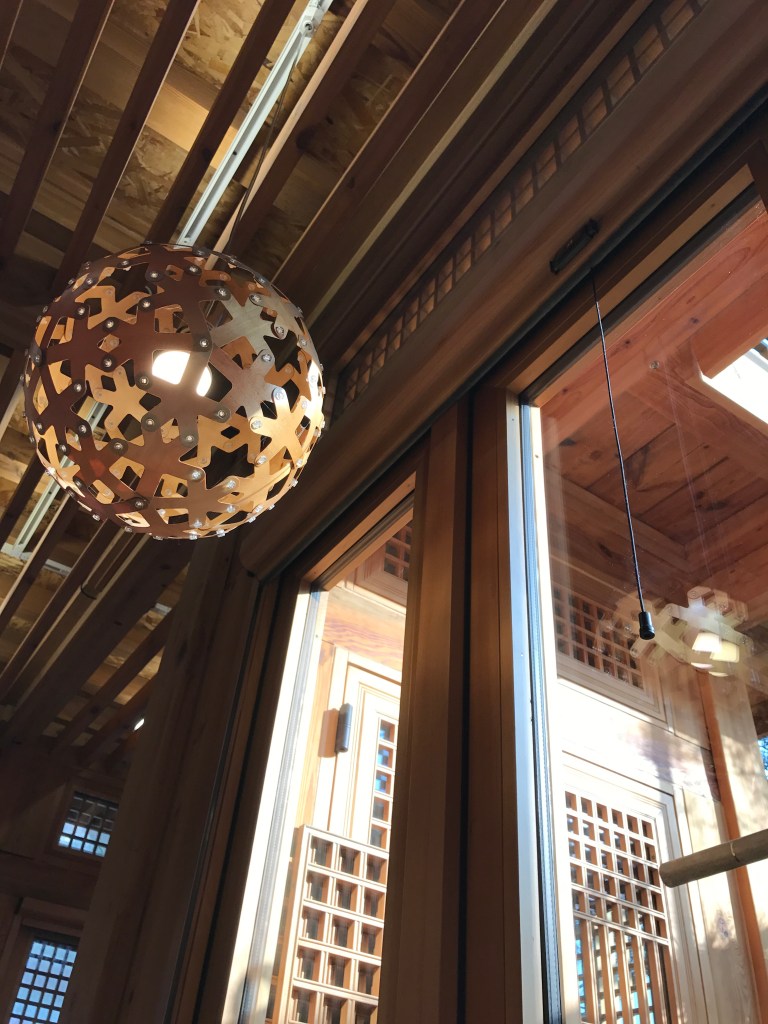
The basement becomes a gallery, with the cafe on top. It utilizes the ancient ventilation methods, and modern technology to resemble a wooden structure.
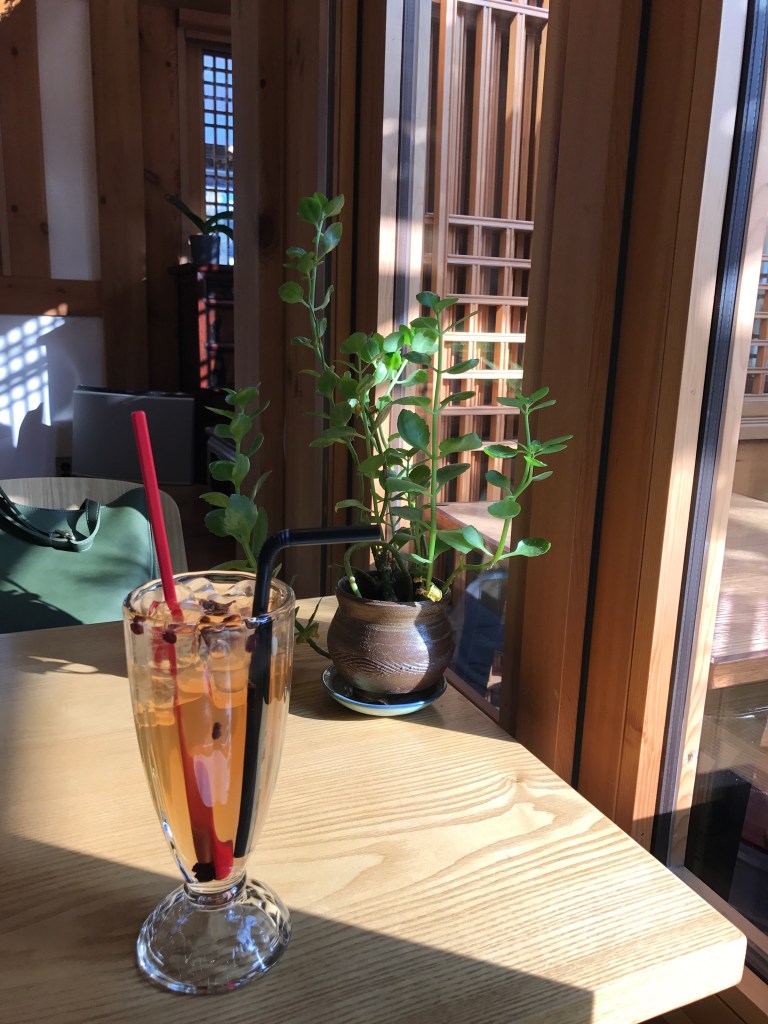
Even the beverage is a fusion. This is ‘omija‘, traditional korean tea, in a very modern glassware… omija is made from magnolia berry, and korean ‘fruit tea’ is not really ‘tea’, it’s kinda shallow juice. I am really in love with omija, sour and refreshing, and healthy! (so it claims)

Unofficial info page


Min Family’s House Sarang Chae

Namsangol Hanok Village, Seoul
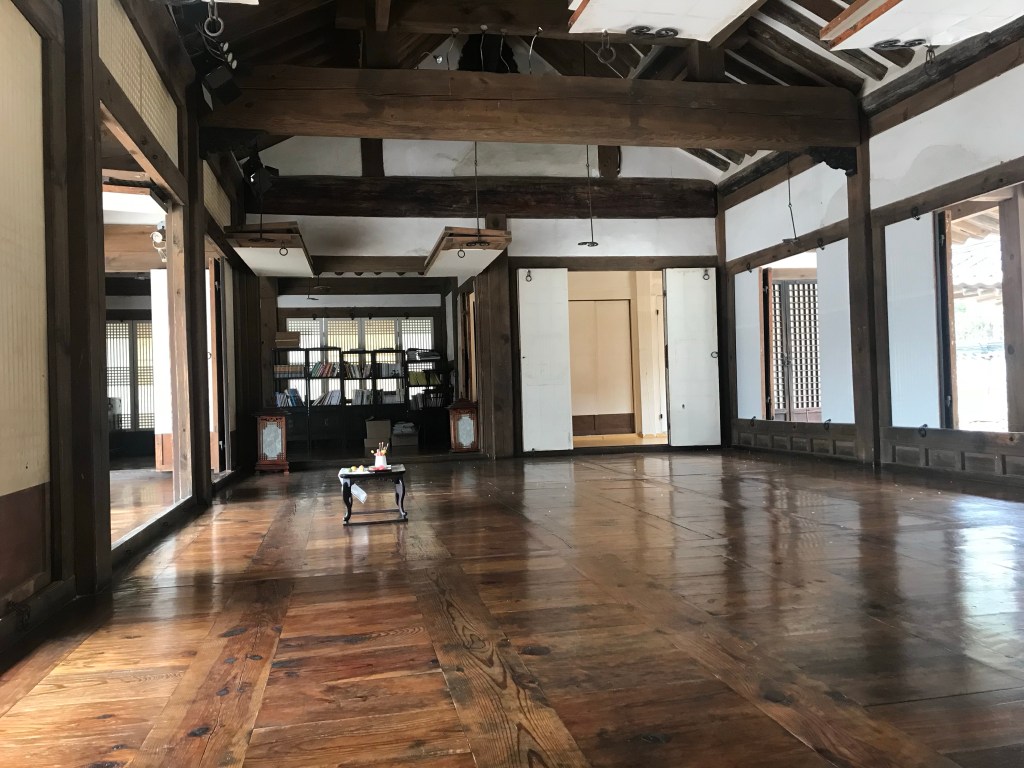
It’s not really a cafe, but a workshop in a traditional house to make korean tea cakes and to host tea ceremony. The Namsangol Hanok Village is not a living area, but more like a theme park. It has different exhibitions, workshops and performances happening in the historical hanoks.
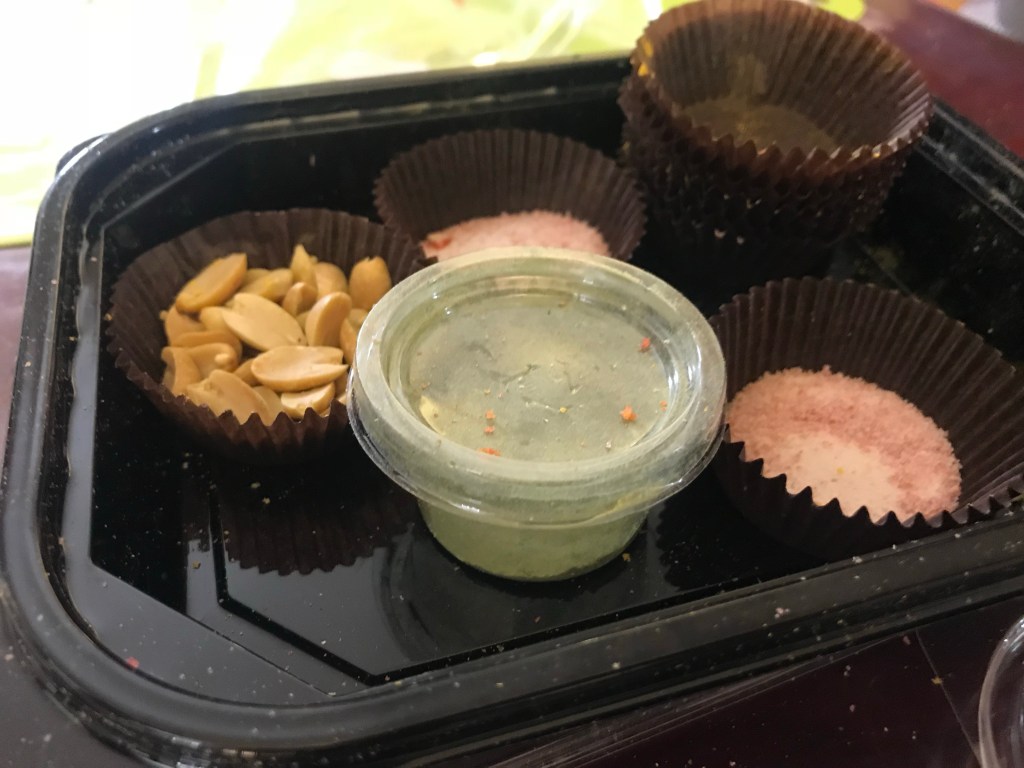
It costs me 10000 won (10 USD?) for the tea cake making, and that’s all the ingredients… a bit disappointing to be honest. It’s a very traditional type of tea cake in Korea, called ‘Dasik‘, which doesn’t require any cooking/baking. All you do is squeezing the flour with the colored powder such as matcha (green), sakura (pink) and nuts and mix them.
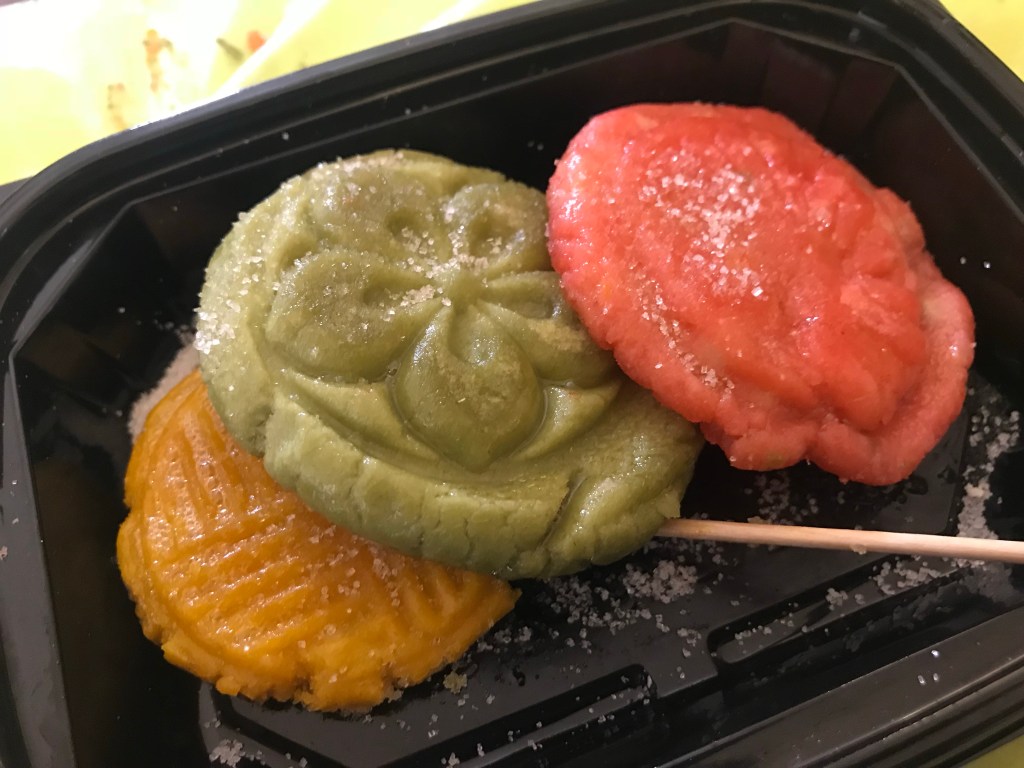
Then you squeeze the mixture into a mould called ‘Dasik plate‘ and done! Add some sugar, or mix some syrup into the flour if less lazy. It tastes good! Just a bit dry coz I was expecting some sauce or cream inside. The teacher could not speak English but I could barely understand the steps and she’s very friendly.

It wasn’t a bad experience, but it’s really simple for its price! I mean I handmade a traditional korean mirror in the cultural exchange center for FREE the day before! Anyway, TOURIST PRICE FOR TOURIST, fair enough.

website


Bonus – revival of traditional flavor :

Caffe Pasiya, Korea
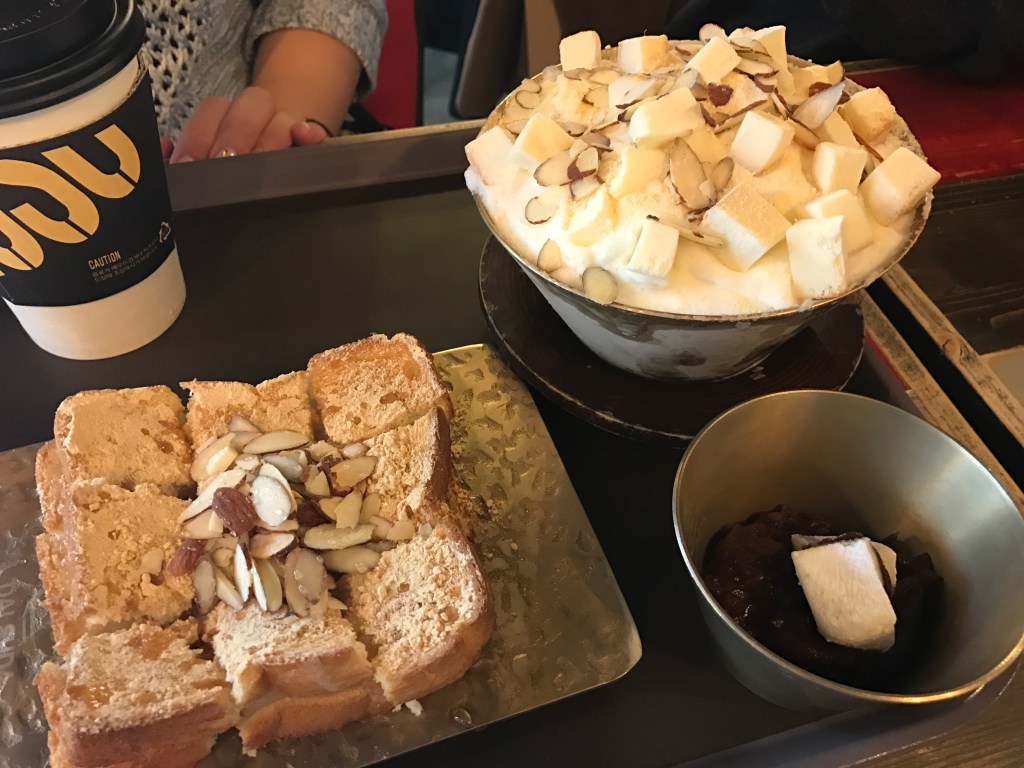
~injeolmi toast, injeolmi bingsu, red bean soup with rice cake

It’s a cafe chain famous for its ‘injeolmi’ flavor.
Injeolmi is a glutinous rice cake, often serves with soybean powder, dates and nuts. The toast and the ‘bingsu’ (shaved ice) is a fusion of traditional korean flavor and western dessert. Very nutritious but sweet and instagrammable.

The toast‘s super crispy with honey coating, and it got rice cake in between two layers! The chemical reaction of the crunchiness and chewiness is superb!!

The shaved ice is not really ‘ice’, it’s milk! And then you drizzle condensed milk on top before eating. The milky and rich shaved ice is already very good, the injeolmi just turns things into next level by balancing the sweetness of the original bingsu, making it much more easier and healthier in clearing the entire bowl.

website


A word to conclude…

Everything in the planet needs marketing, to upgrade their impressions. Whether it is ‘vintage’ or ‘old-fashioned’ , all depends on its packaging. The revival isn’t only a renovation, but also bringing its meaning of existence back alive.
[Japan] where Ghibli becomes real – last episode

Shikoku (四国) is one of the five main islands of Japan, and probably the least popular one among tourists. Yet, it hosts one of the world’s biggest contemporary art festival, Setouchi Triennale (瀬戸内国際芸術祭) every three years. For this reason, the Ghibli power is never a spotlight for the provinces, as the artistic image is overwhelming.

Kiki’s Delivery Service (live-action), Shodoshima

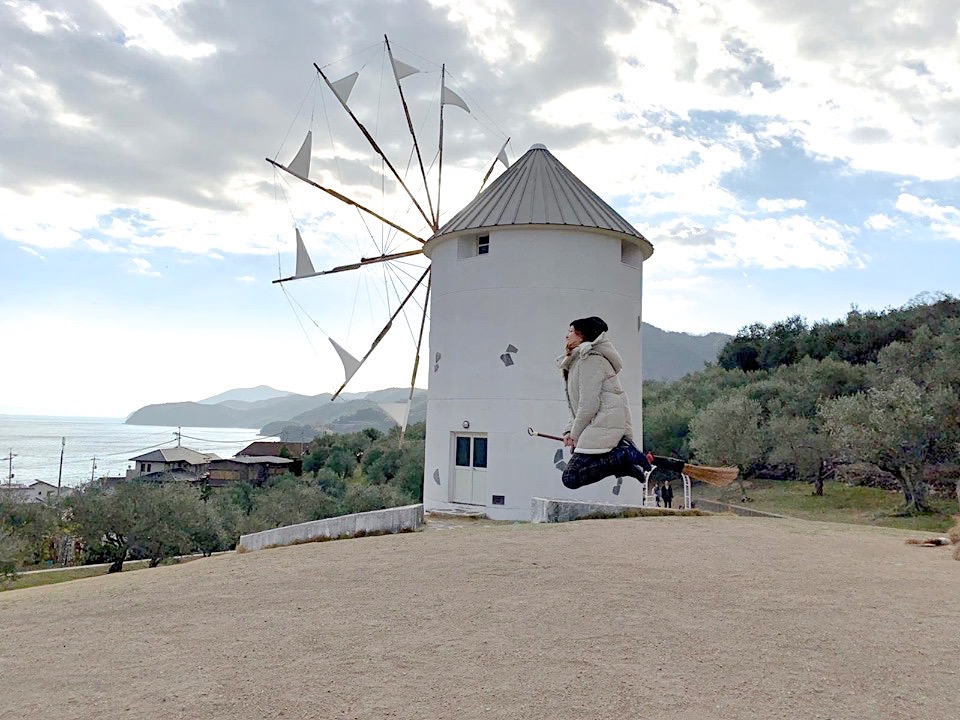
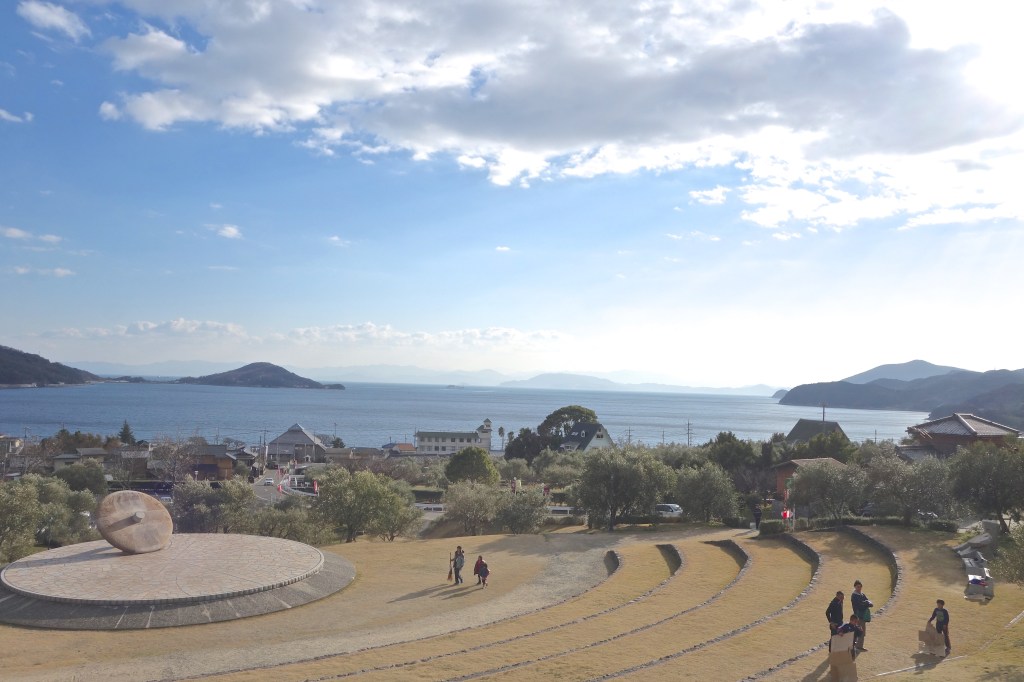
Instead of reference, they actually shot the live-action at Shodoshima Olive Park. It is the first farm that successfully planted olives in Japan.

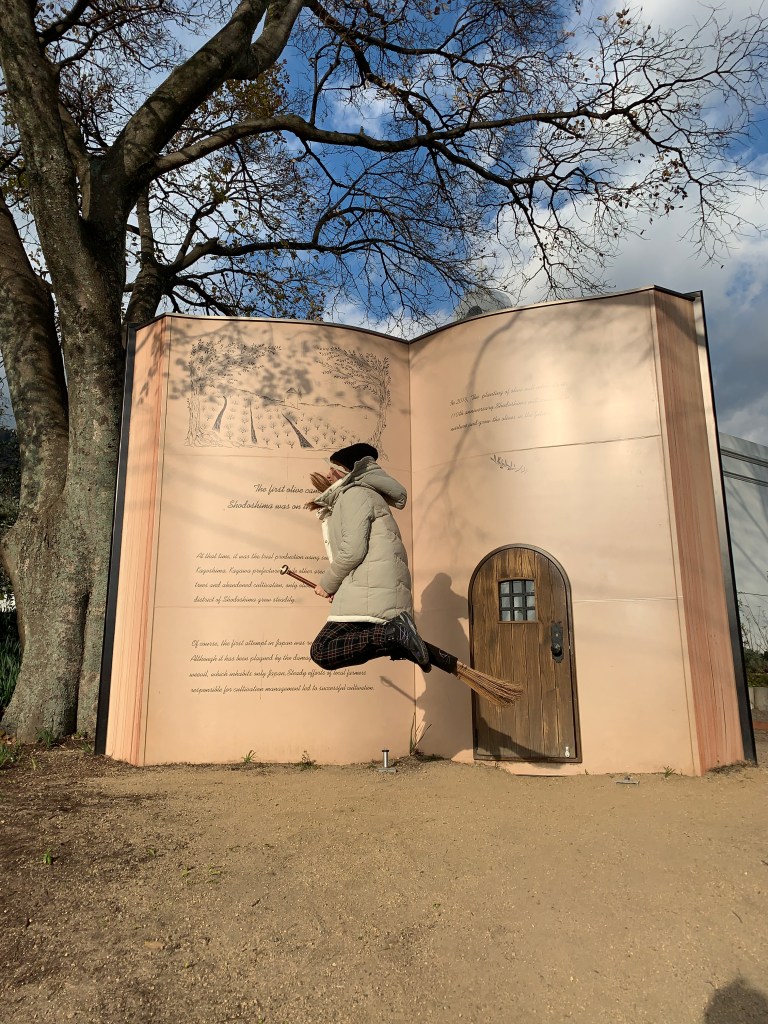
Nowadays, it is being used as a Kiki X Olive theme park. There are brooms for free rental, remember to hook it back on the rack besides the concierge.
There are varies props for people to get instagrammable pics. Trend is to capture the moment of jumping with the broom, to imitate Kiki, the witch trainee riding it.
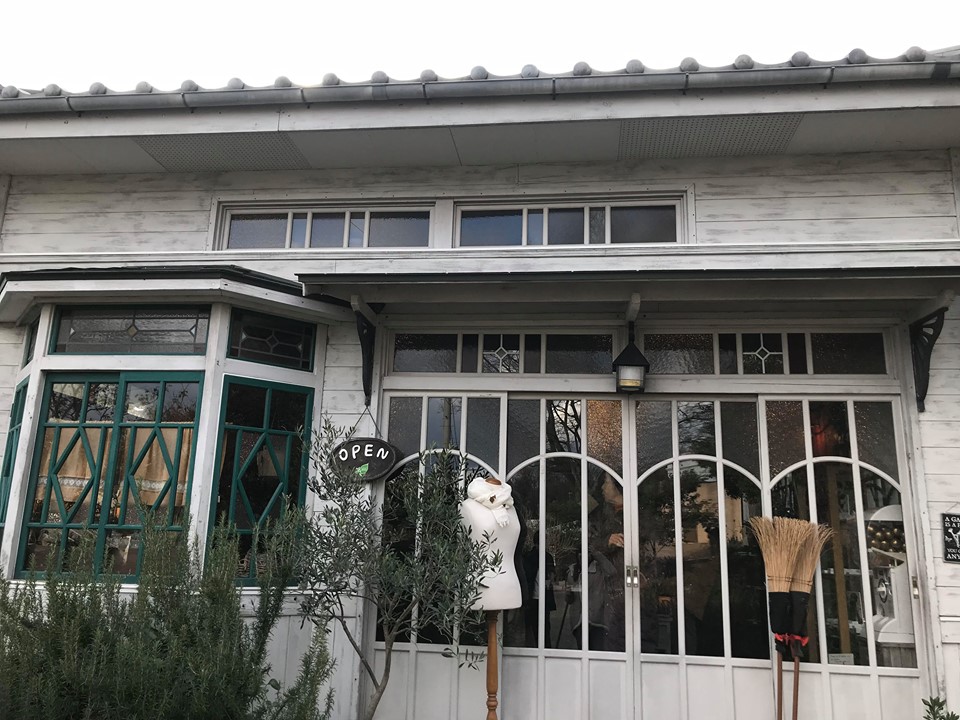
Kiki’s home in the movie, actually exists as a shop. It’s close to the olive branches, you can collect olive leaves and DIY your own bookmark.

A mile from the Olive Park main attractions, there is a building called ‘Sun Olive‘, which has an open-air hot spring with phenomenal sea view.

Access

There are ferries from many nearby cities. The fastest and most frequent service is from Takamatsu. After you get off the pier, take the Shodoshima Olive bus and get off at the Olive Park.

Click for more details


Spirited Away, Matsuyama

Matsuyama has many historical features.

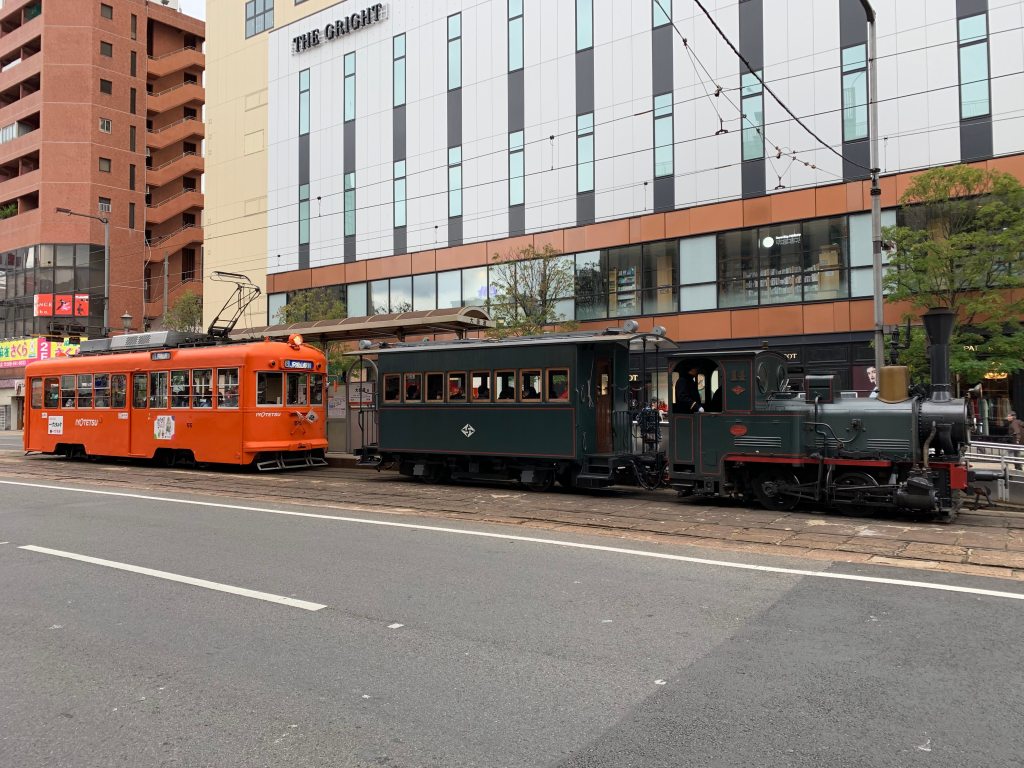
From the train station to trams, all of them are in antique style. But still, Matsuyama is relatively busier than Takamatsu.

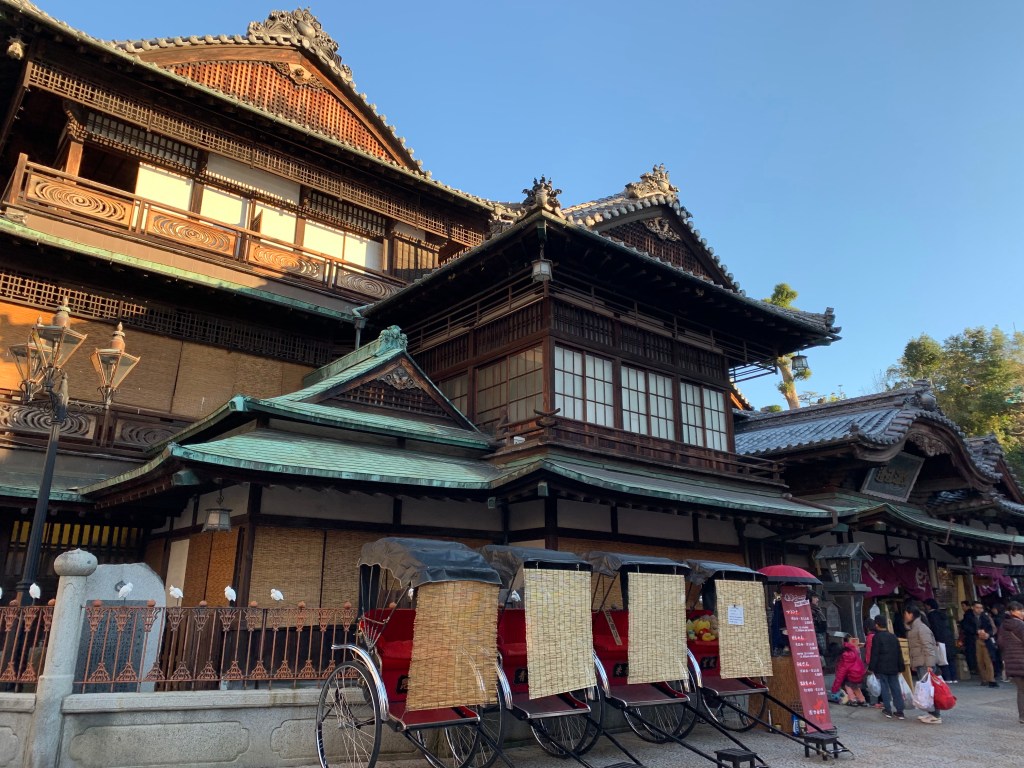
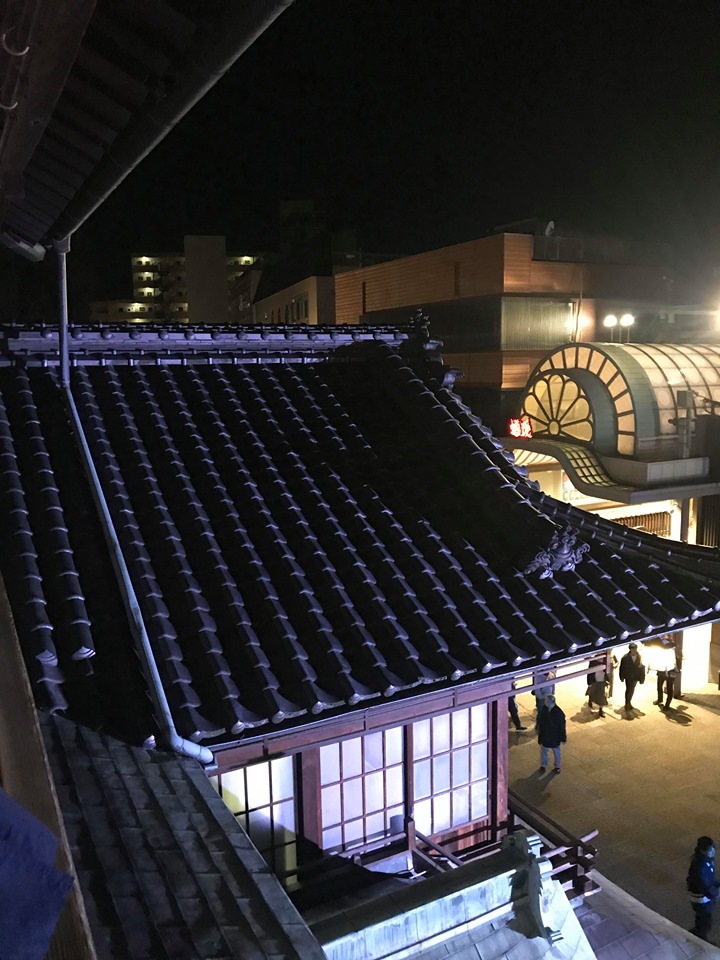
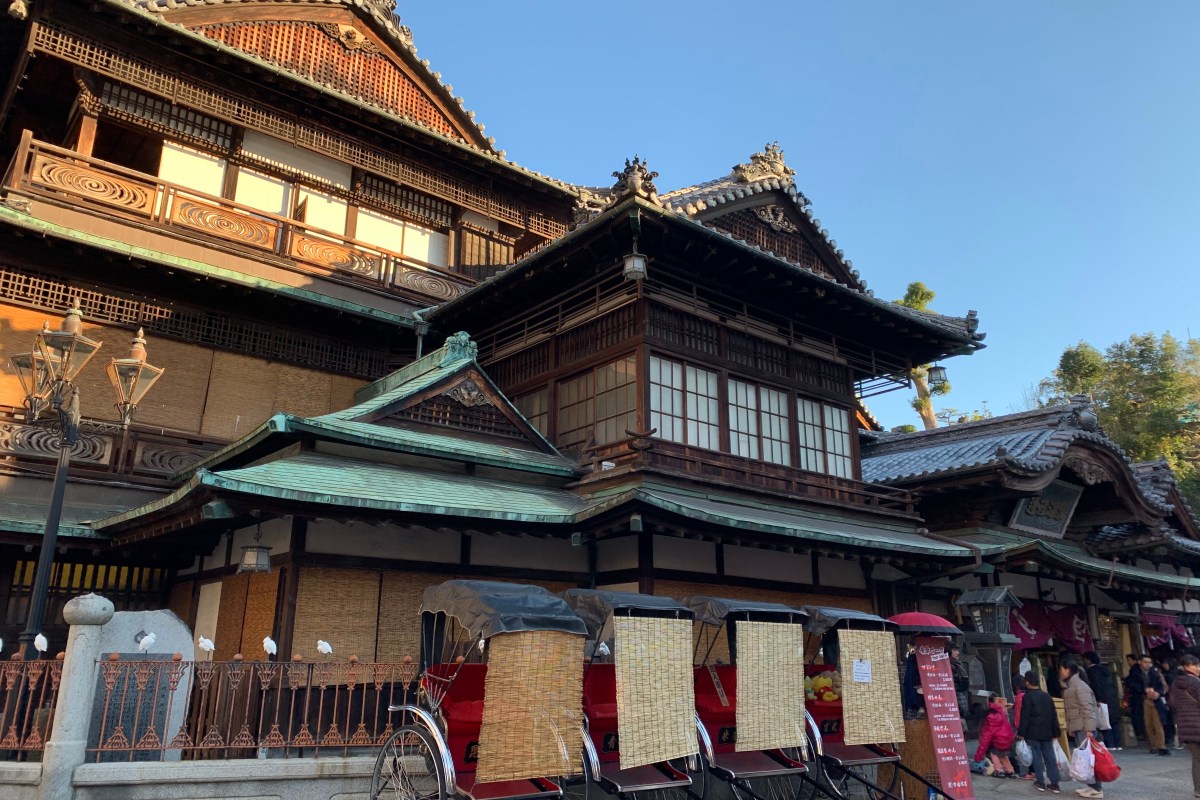
Dogo Onsen is a hot spring facility, where the ‘Honkan‘ part (oldest building) is being used as the reference for Spirited Away’s bath. The building is a Meiji Period wooden public bathhouse dating from 1894.

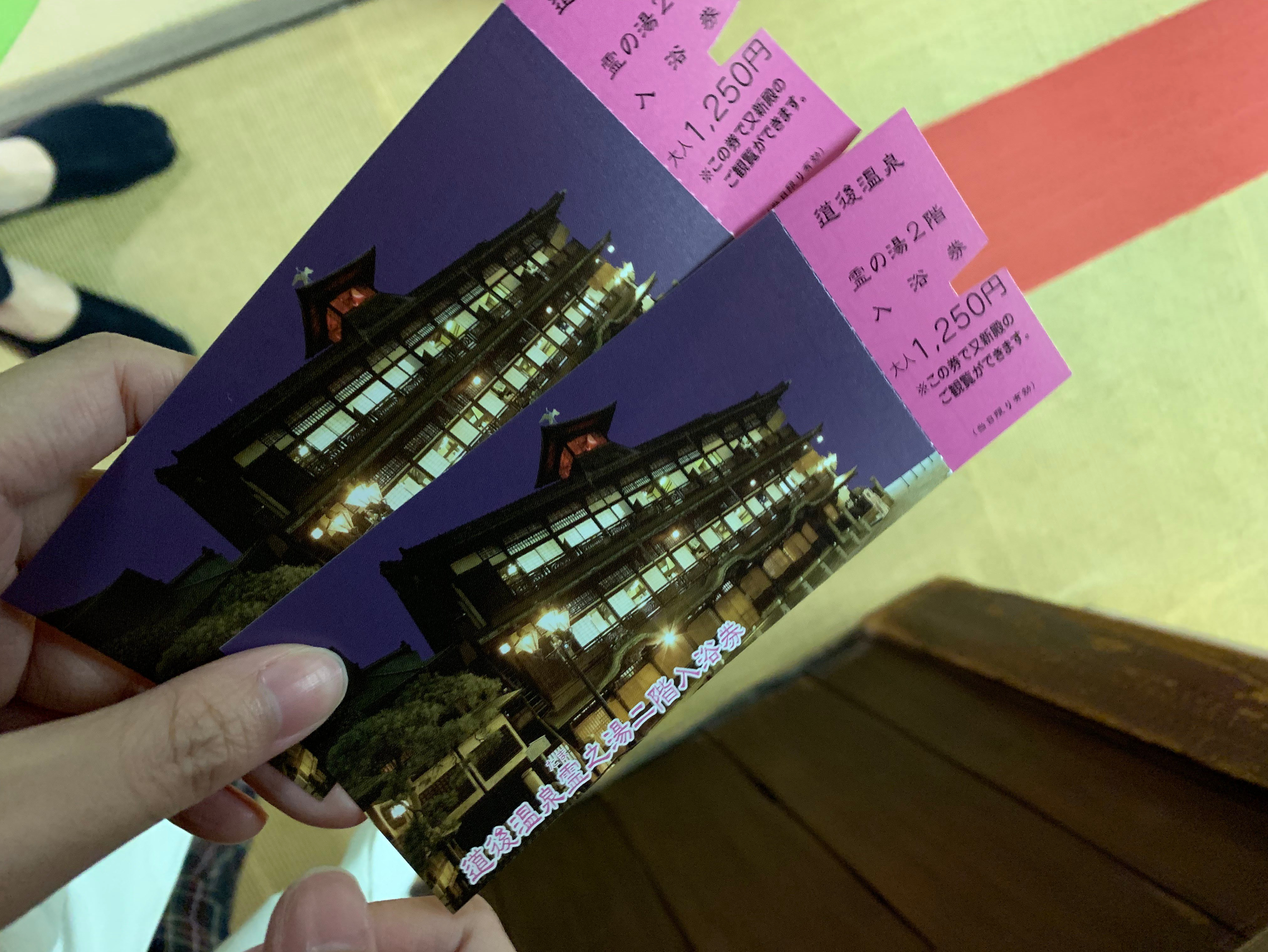
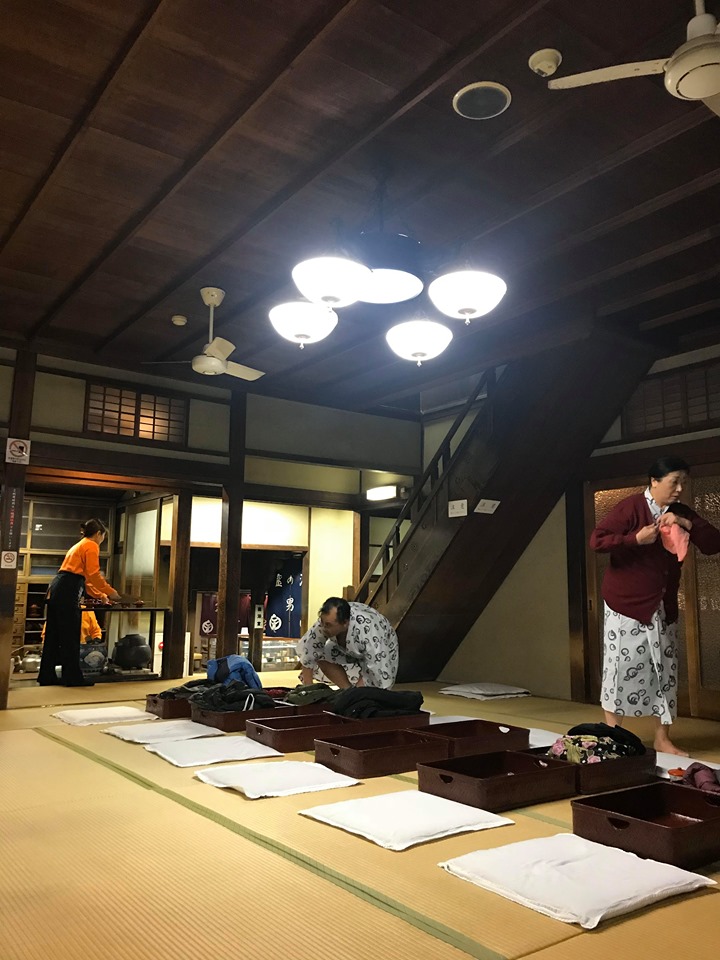
There were quite a lot of people (it was holiday in Jap), we had to buy the ticket from the box office, and enter later at the assigned time. There are different packages mainly defined by floors, mine include snacks and reserved seats on the 2nd floor. 1st floor is the big area and 3rd floor has private rooms.

Everyone get changed to Yukata in the restroom at the very beginning. On the 2nd floor, there were good shampoo (Shiseido tsubaki), soap and hairdryer, there was nothing when I went to the 1st floor. But the main onsen is on the 1st floor…not that impressive though, but the one on 2nd floor is just like a bigger bathtub. You wear the yukata when you travel among the floors and take it off at the locker room outside each bath.

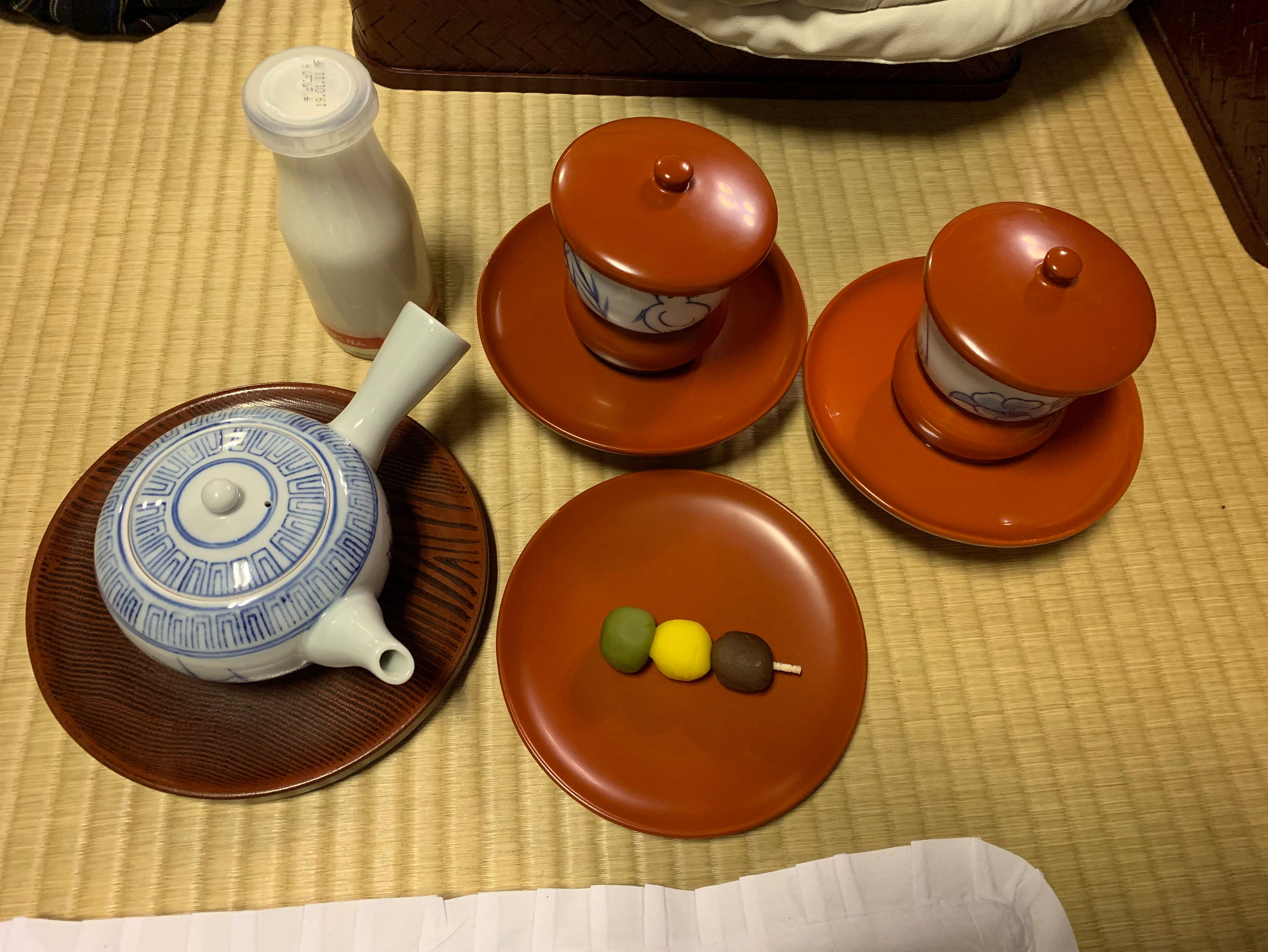
After you finished bathing, they will give you traditional snacks, cookies (eaten before I took a pic sorry) and refillable tea. (I bought the milk) There is a shop right next to the resting space, selling souvenirs and beverages. Surprisingly, the price was quite cheap, soap was 200 yen and towels were less than 1000.

Before you go, a staff will show you around the building, in your preferred language. You can visit the terrance and look back to the city.


Access

Take the JR Shinkansen to Matsuyama station, change to trams and get off at ‘Dogo Onsen’ station. You need to walk pass the entire souvenir street to see the building.

Click for more


Bonus

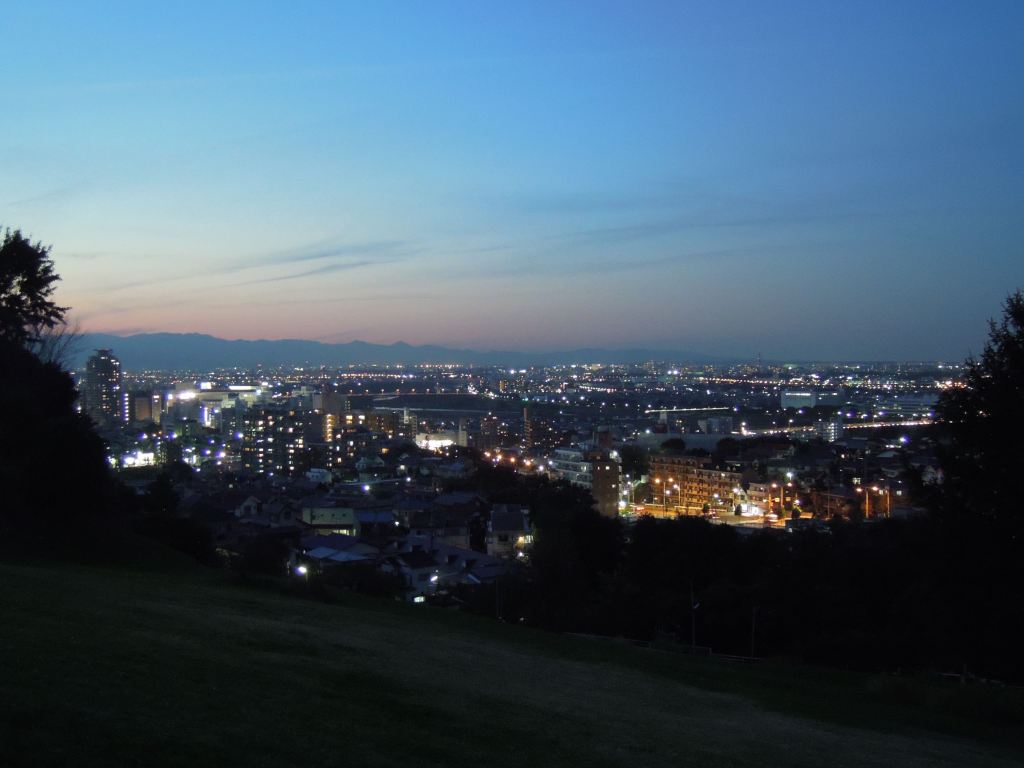
Relatively not popular Ghibli titles, ‘Whisper of the Heart’ and ‘Pom Poko’, both referenced a small town in western Tokyo, ‘Seiseki Sakuraga oka’ (聖蹟桜ケ丘). Almost everything of ‘Whisper of the Heart’ are based on the town, so it’s a must-go if you are a fan. Reach by Keio Line from Shinjuku.

[Japan] where Ghibli becomes real – ‘Princess Mononoke’ pt 2

Being selected as a location reference of a Ghibli film is super lucky, even an isolated island can receive instant spotlight globally. But after all, Ghibli does not mean to be an endorser.

This island has been using too much Miyazaki power, resulting in hatred from Ghibli and removal of all Ghibli-related promotions.

Yakushima (屋久島)

Yakushima, an island in Kyushu near Kagoshima. 1/5 of the island is UNESCO World Heritage Site, so you gotta plan ahead before you get there as most parts are pretty abandoned.

And, do not expect any of them understanding English.

Shiratani Unsuikyo (白谷雲水峡)

There are dozens of hiking route on this island, access to the Ghibli part is relatively easy. Return route was around 5 hours, including tons of time taking photos. Just make sure you stop going uphill after the Ghibli place.

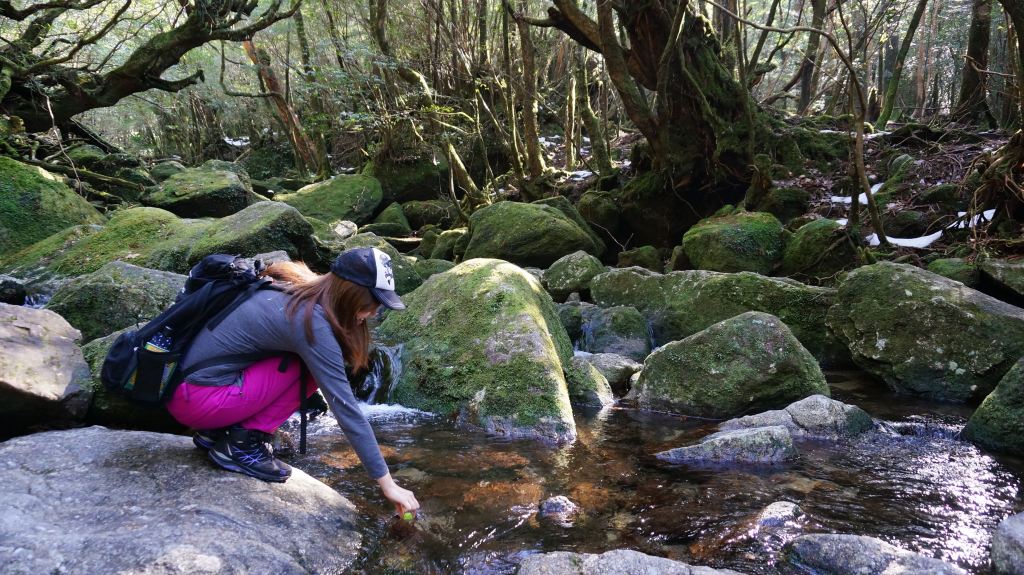
‘Sui’ and ‘tani’ means Water Valley, along the way there are streams everywhere or maybe under your feet. You can drink the water, really clean and tasty. But also get well equipped, coz it gets really slippery with the water and moses.

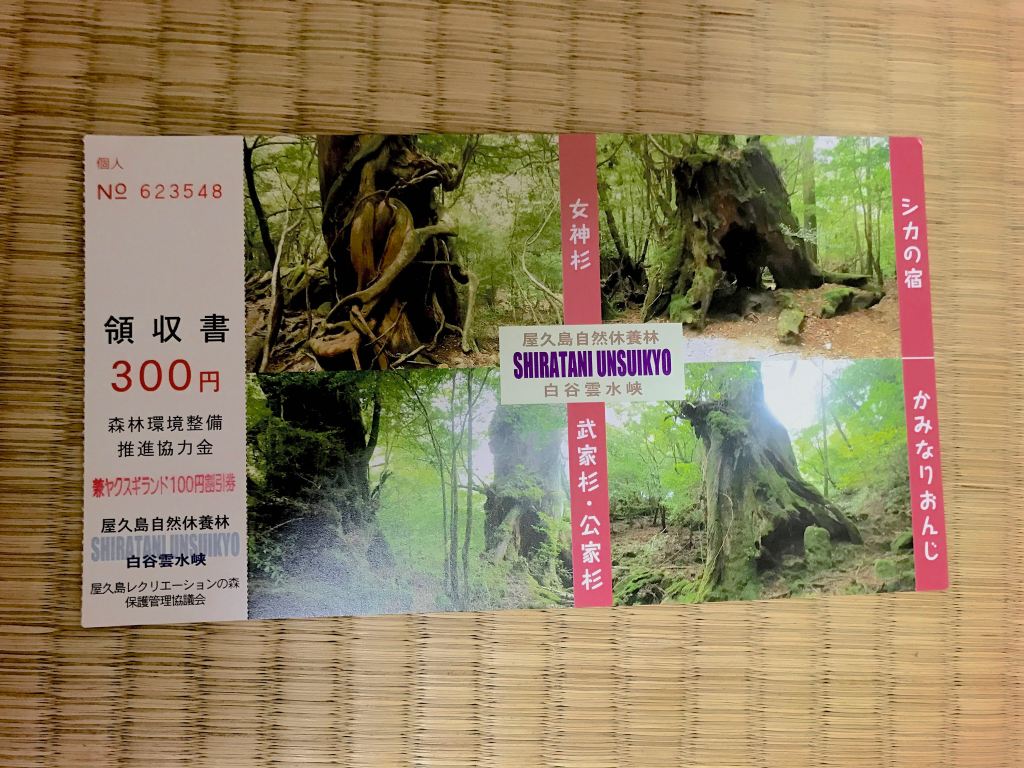
The starting point is right next to the parking place. You have to pay 300 yen entrance fee and register your personal contacts. After you finish the route, you need to report to the same place to confirm your safety.

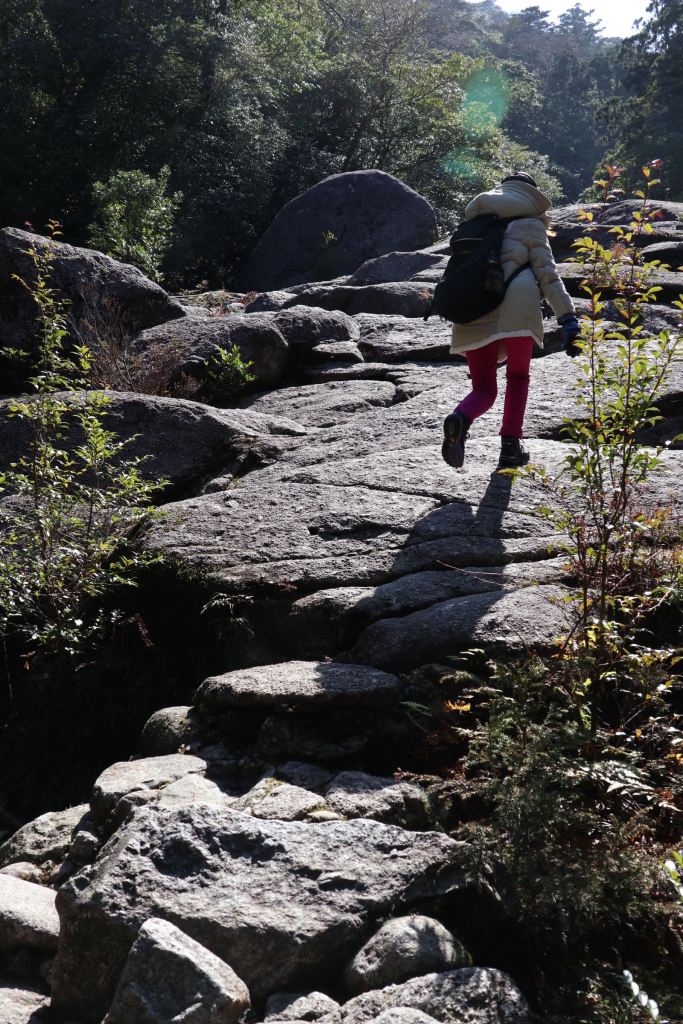
Granite made up the island, so get ready to slip! With rainforest climate, heavy rain is always expected. I was lucky enough but there was snow in the shadow and showers in the sunshine. Extreme mountain climate alert.

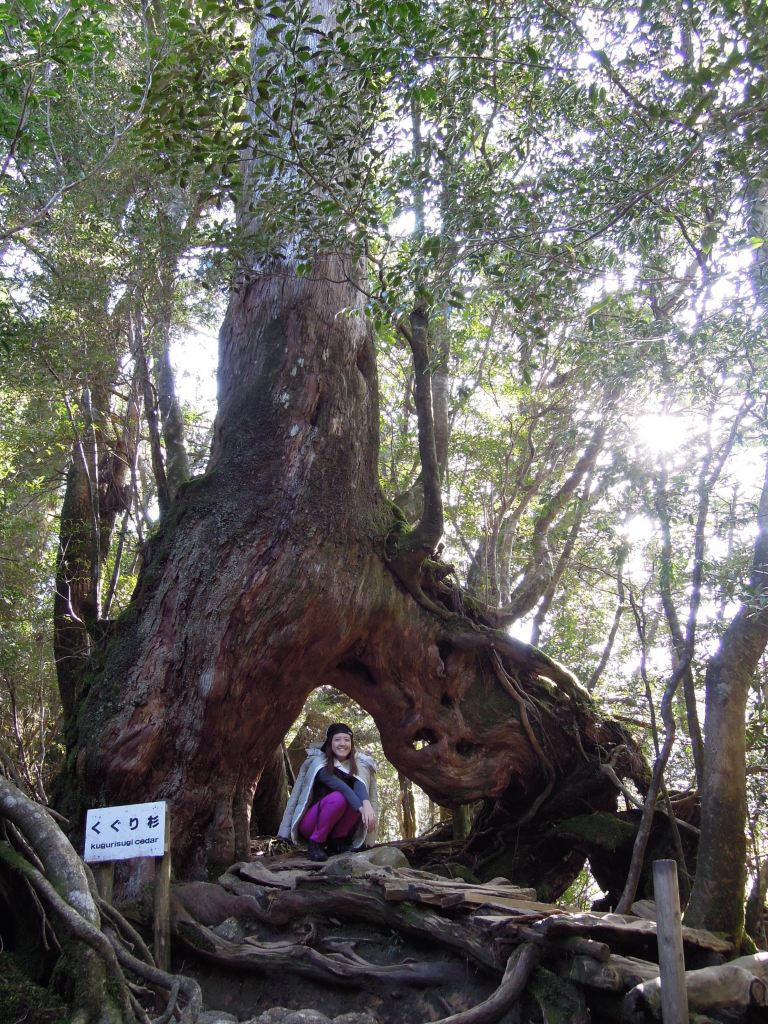
Cedar trees are what the island is famous for. The oldest cedar tree on the island, ‘Jomon Sugi‘, is expected to be 2000~7000 years old. But to reach the deck nearest to the tree, you need to climb 8-10 hours, definitely beyond my capability.

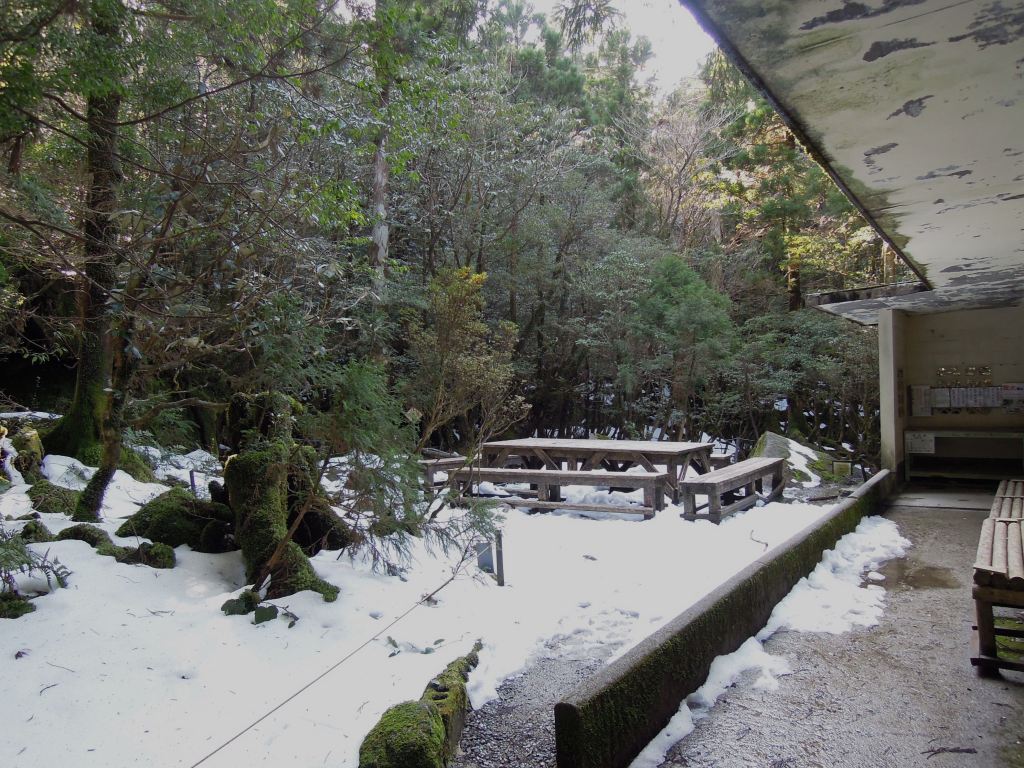
On the way, there is one toilet. And it is the only construction I’ve seen in the forest. There is a room, with nothing, for you to hide for a night in case.

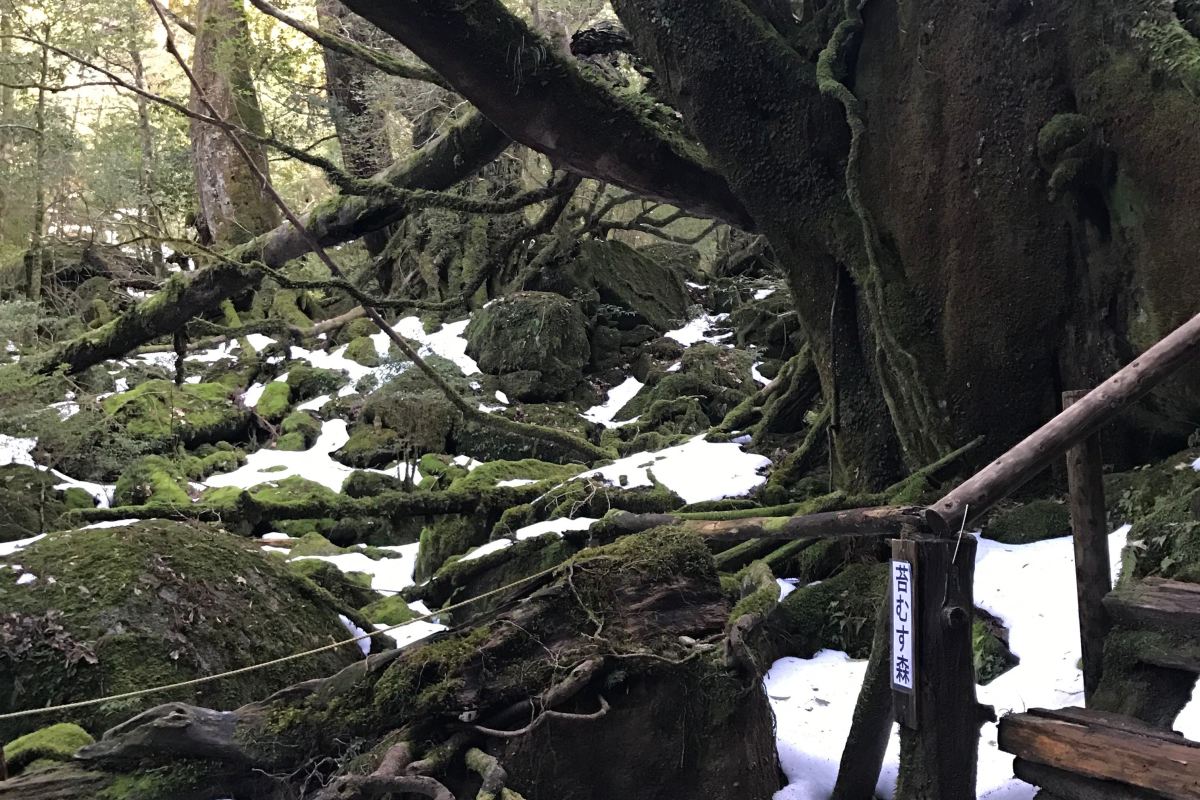
Mononoke Forest / kokemusu mori (苔むす森)

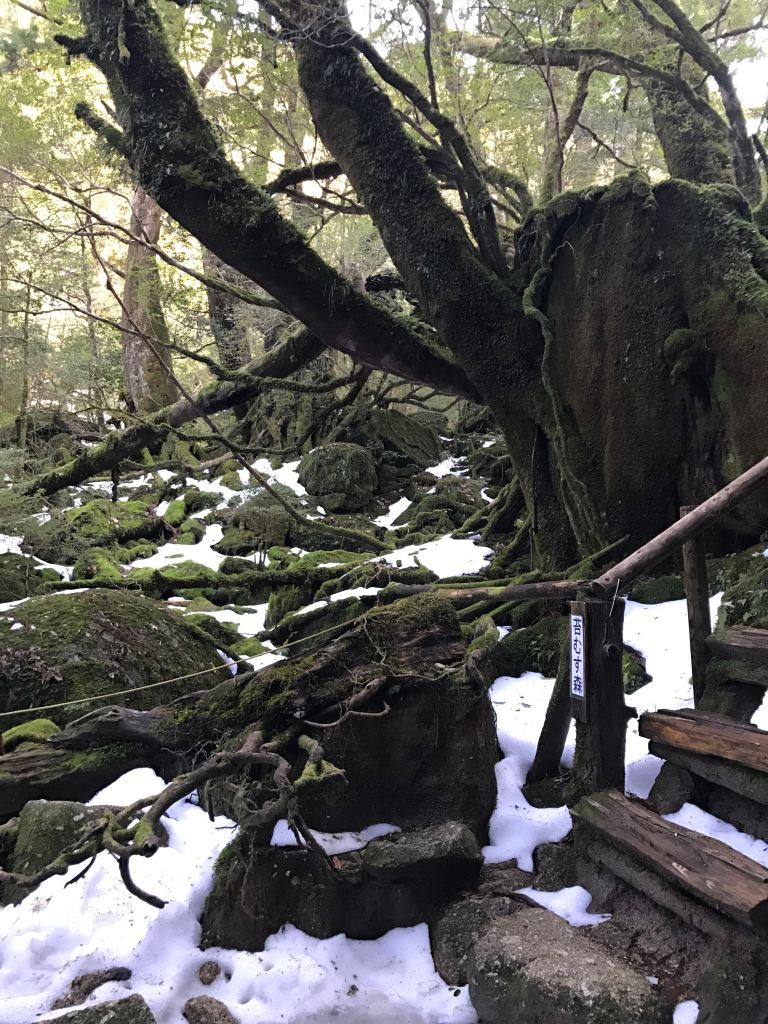
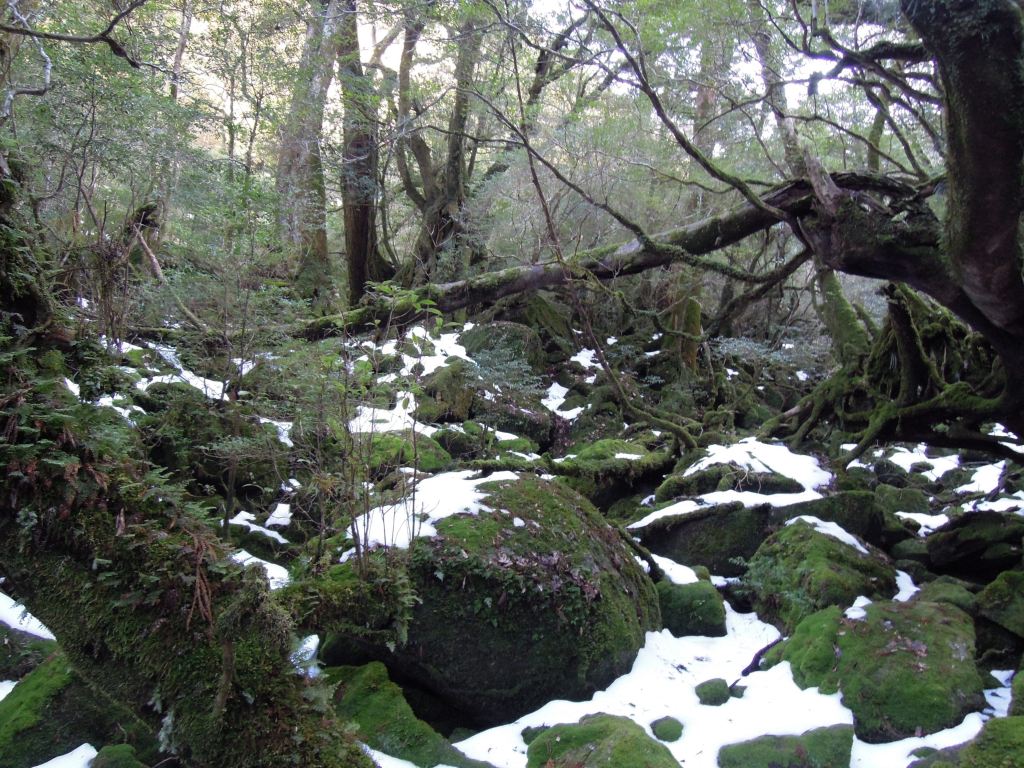
It was mid Feb, I was really lucky to witness this magnificent fusion of snow and moses. For most of the time, the forest is just about the moses, still beautiful though.

Originally, there was a huge sign written ‘もののけ姫の森’ (forest of Princess Mononoke) around the area, now removed coz of Ghibli opposition.

I have asked several Japanese, how long till I can reach the forest, seemed that they were not really familiar. Most of the visitors are first time tourists like me, or students in groups to study cedar trees.

Make sure that you give up at the right time. Extreme weather + snow + moses + no paved paths can be really tiring. There are no steep slopes till the forest, but my friend slipped and had a great fall… the signal is not very stable and there are no lights. Not a difficult hike, but need preparation.


Access

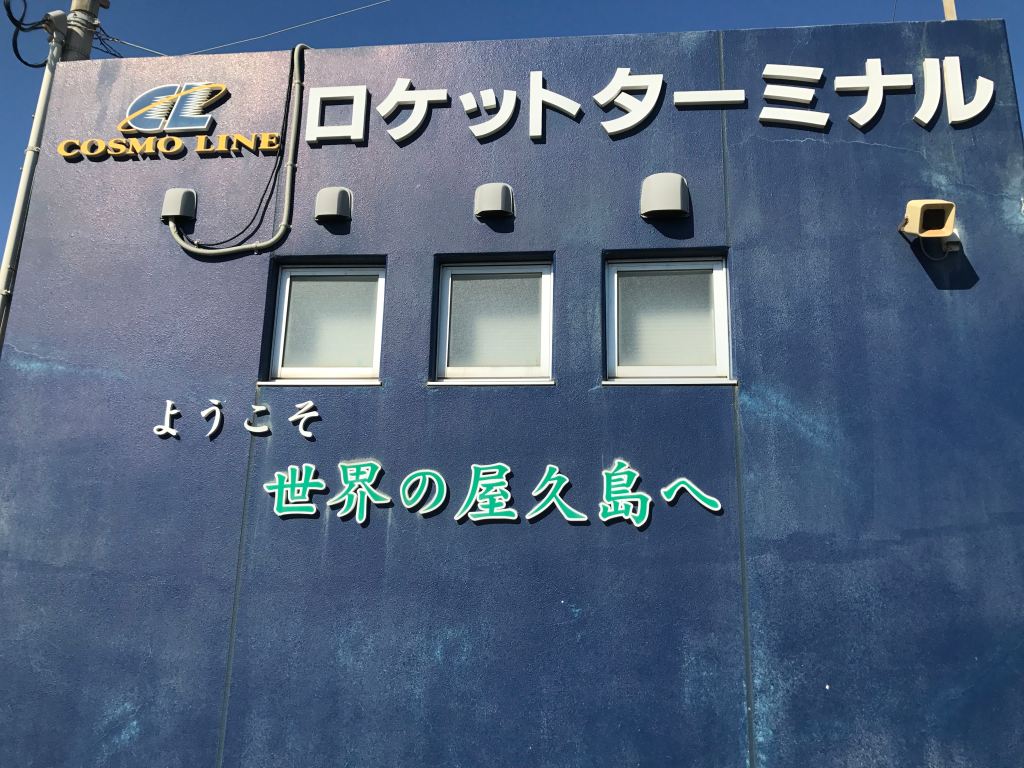
There are no direct international flight to the island. There is an airport with flights from Kagoshima and Osaka, but most people got there by ferry. It took me 2 hours from Kagoshima to Miyanoura (宮之浦) pier, not a very smooth journey… take some pills if you suffer severe seasick

Near the pier, there are a few car rental shops. I suggest you to book ahead, and trust me, it makes life easier. Taxis need to be reserved beforehand, and only 2-3 buses daily on each route. And you can’t get to any of the hiking paths on foot, all of them are on the mountains. (e.g. this hike to forest is mostly at 900m altitude)

Food & Accommodation

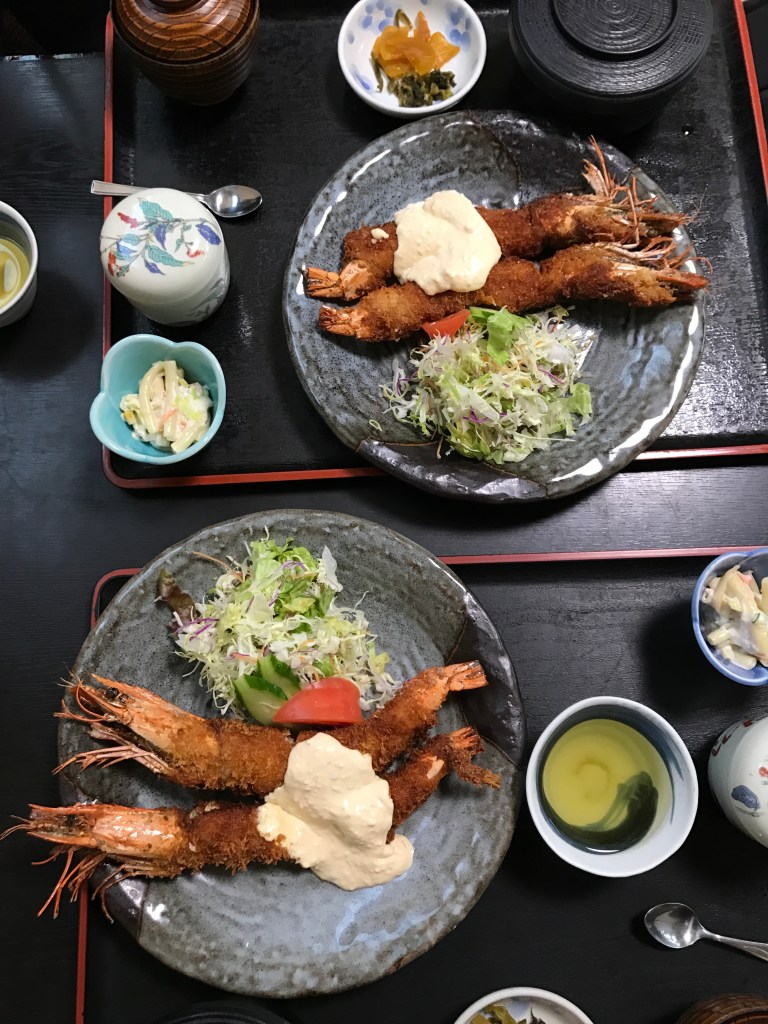
The restaurant is called お食事処 潮騒 (Shiosai), recommended by the locals. As I remember it’s less then 1000 yen, and this prawn is twice the size of my hand.

I stayed in 民宿屋久島 (Minshuku Yakushima), most of the hotel packages on the island include dinner and breakfast. And YOU NEED IT, coz all shops close really early and there are not many shops at all.

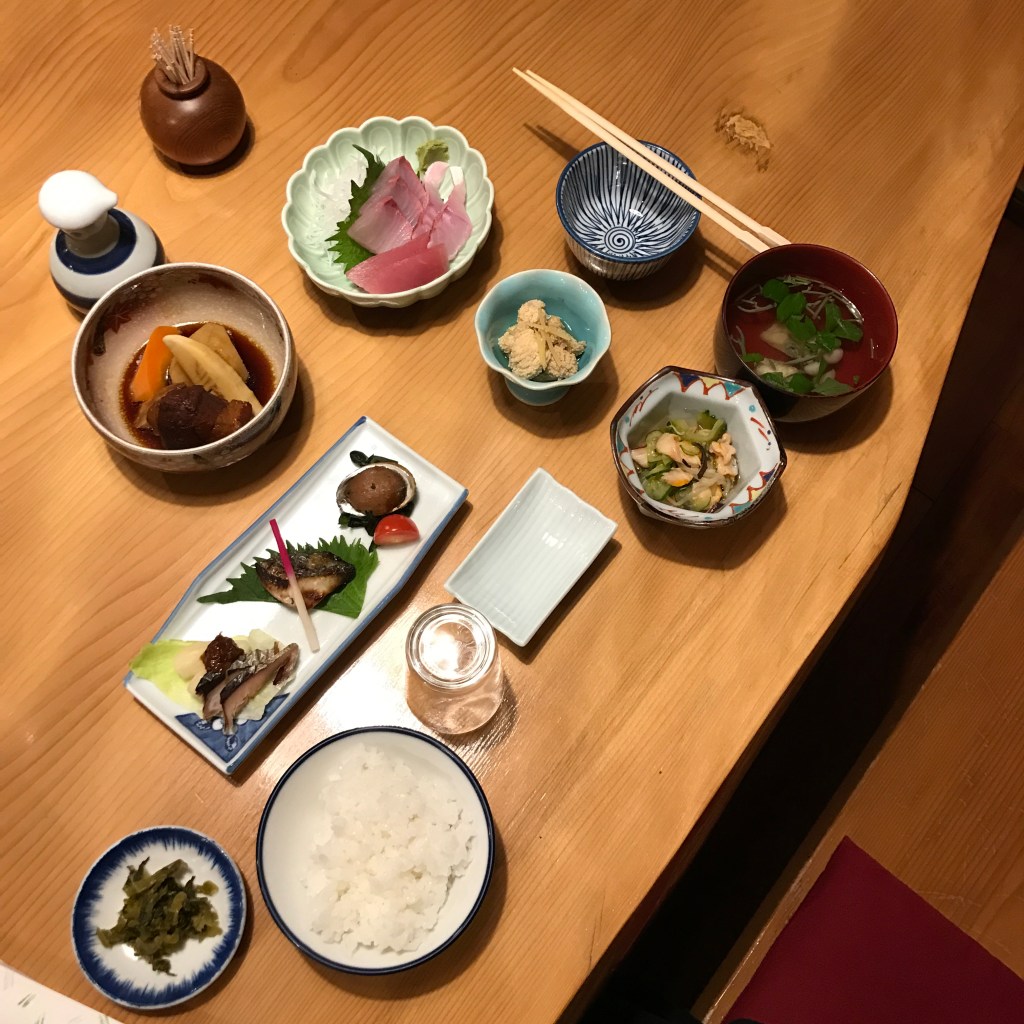
This was half of the dinner course I had, was not able to take a pic of the full course coz they gave in order. Totally worth it! It costs me less than 6000 yen with sea view (dinner + breakfast + accommodation).

It’s a really good chance to experience a traditional Japanese life, but Japanese in ancient times only ate fish, so if you are allergic to seafood, you may need to bring some cup noodles.


Useful links (but no English…)

Hostel: 民宿屋久島

Transportation on Yakushima

Ferry to Yakushima

[Japan] where Ghibli becomes real – ‘Princess Mononoke’ pt 1

‘Princess Mononoke (もののけ姫)’, a masterpiece that Miyazaki Hayao spent 16 years developing the concept and 3 entire years making it. Miyazaki urged Ghibli studio to create this piece before he’s too old, as there are lots of action scenes and the theme is very serious comparing to others.

Shirakami Sanchi (白神山地)

Located across Aomori and Akita Prefecture in the Northeast of Japan, this is the reference for the village that Ashitaka, the main role lives. The forest is around 170 sq. km big with natural habitats, no wonder it becomes UNESCO World Heritage Site.

Twelve Lakes ‘Jyuni-ko’ (十二湖)

As the forest is not easily accessible and tbh it is quite a normal forest… Jyuni-ko, meaning ’12 lakes’, is the most worthy place to visit. The area has got more than 12 lakes, and is close to a train station.

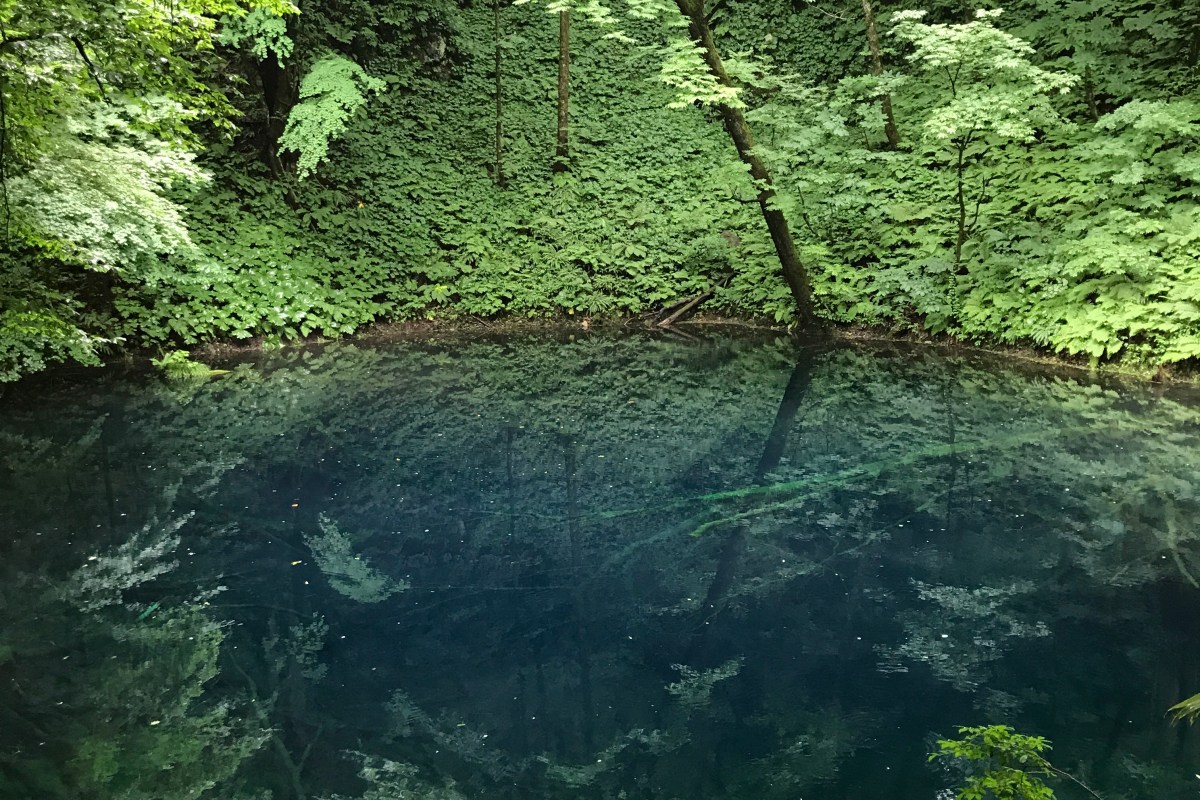
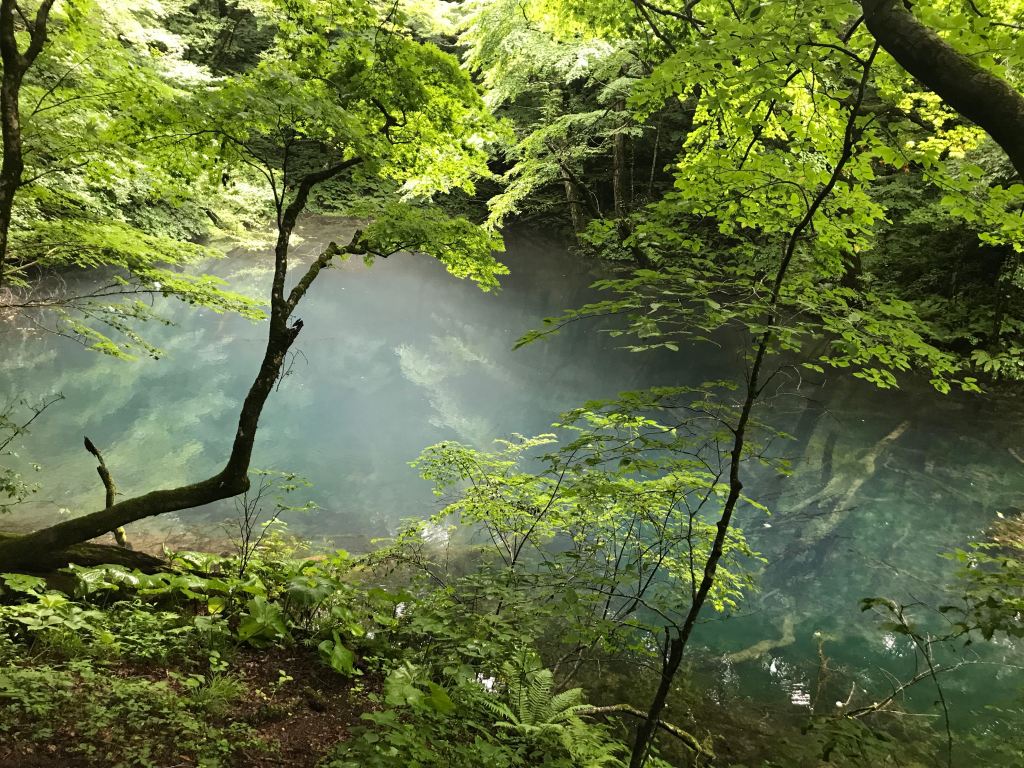
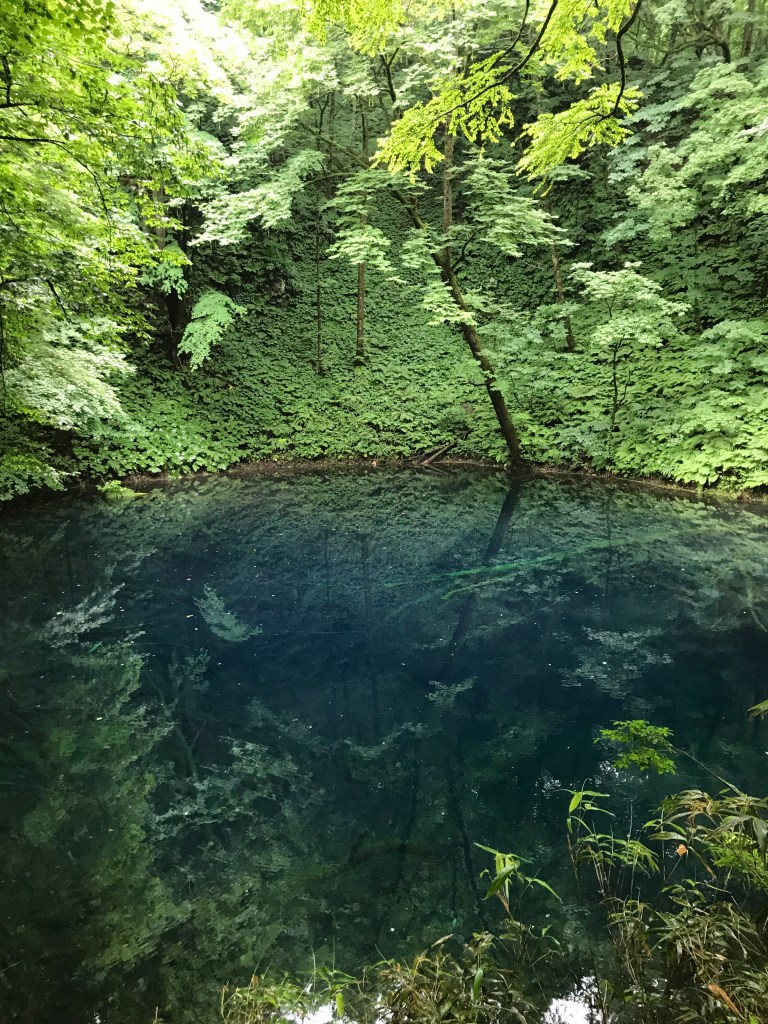
Aoi Pond (青池) is very famous for its beautiful sapphire blue color. The clear water shimmering under sunlight, the space, the voice of nature (birds, waterfalls, waves…) and the weather of Aomori summer (around 16-20 degrees) provide a revitalizing experience.

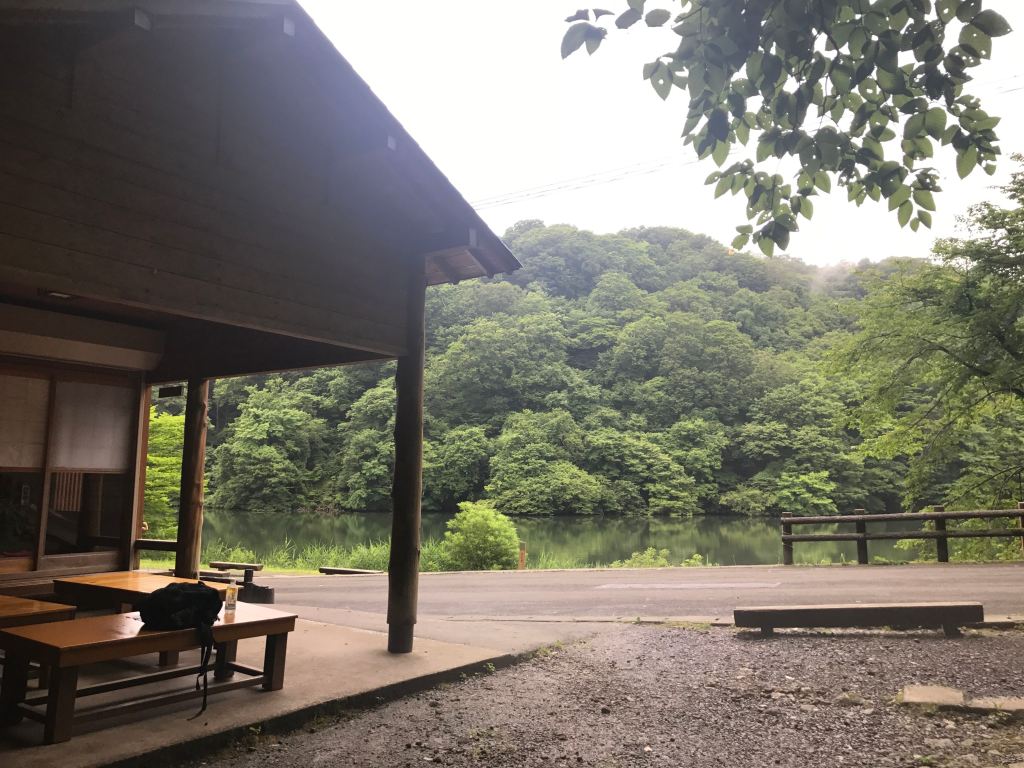
Good thing of not many tourists is, there are free stuff. At the tearoom next to Ochiguchino Pond (落口の池), you can receive a free cup of green tea with Japanese traditional snacks.

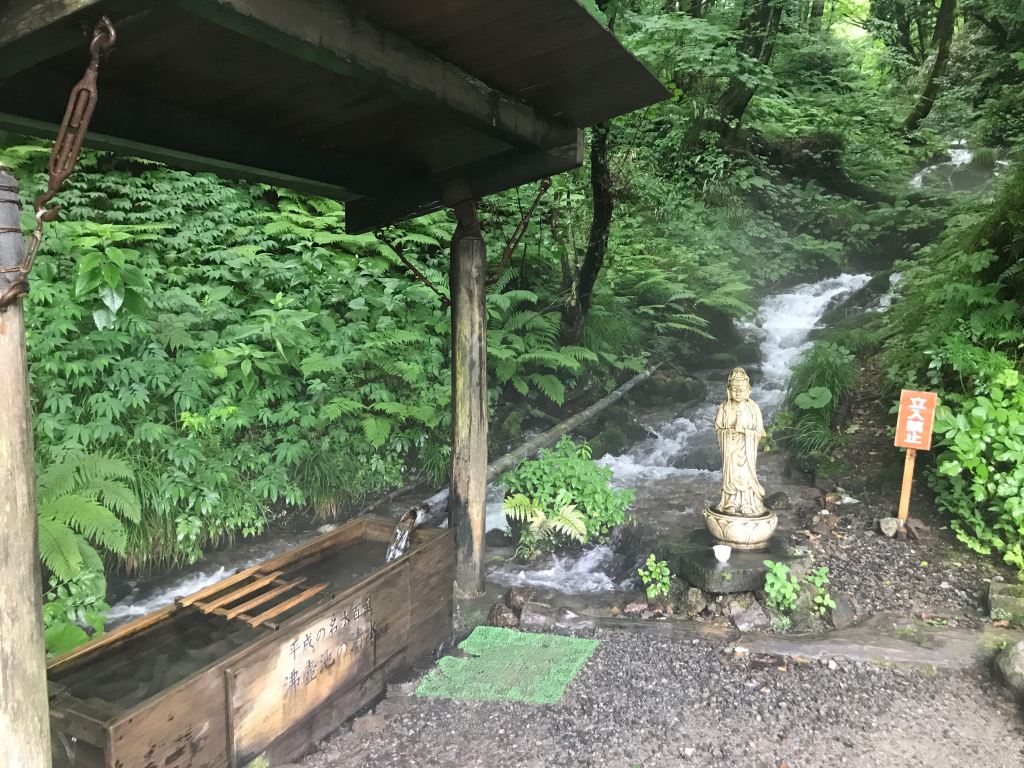
A few steps from the tea room, you can collect water from Wakitsubo Pond (沸壷の池), being nominated as one of the ‘Heisei era best 100 water’ (平成の名水百選). The water was sweet (in a natural way) and cold. All good coz I didn’t have tummy trouble.

Unlike Tokyo or Osaka, it’s a rare choice of traveling, but also a good choice to enjoy interactions with the locals. People in Aomori are really nice and helpful. Just make sure don’t go there in winter, freezing cold and all paths to the mountains are closed.

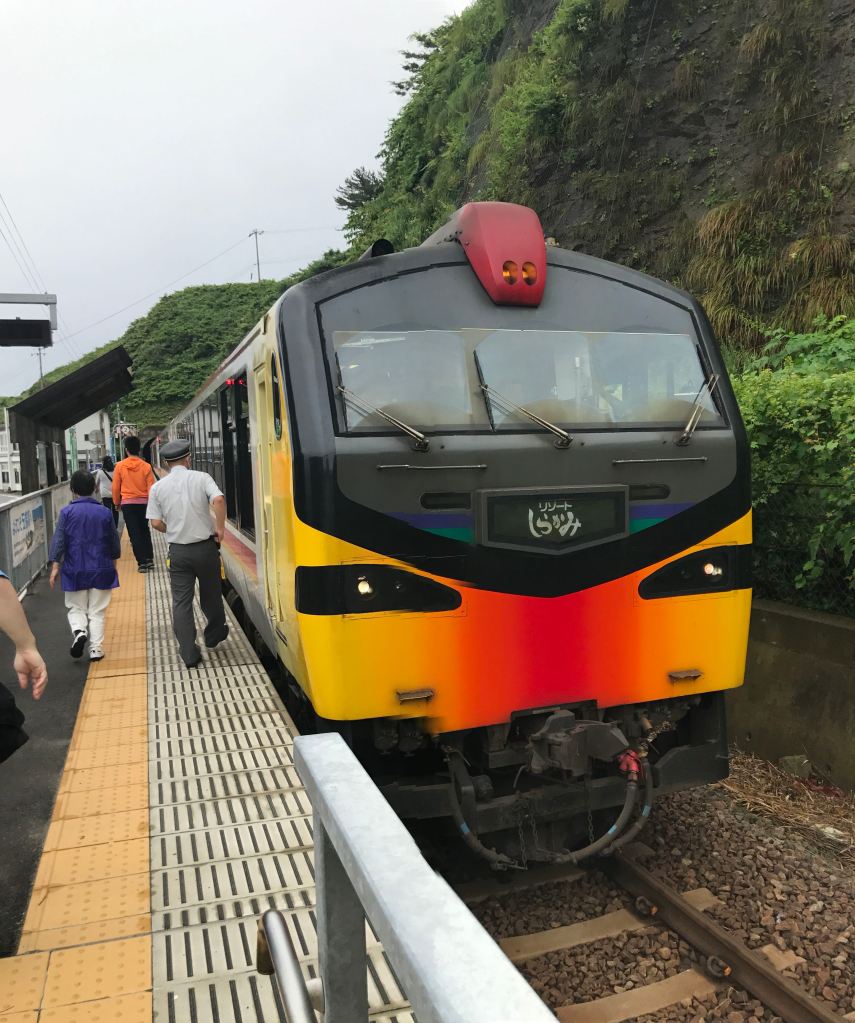
Special Express ‘Resort Shirakami’

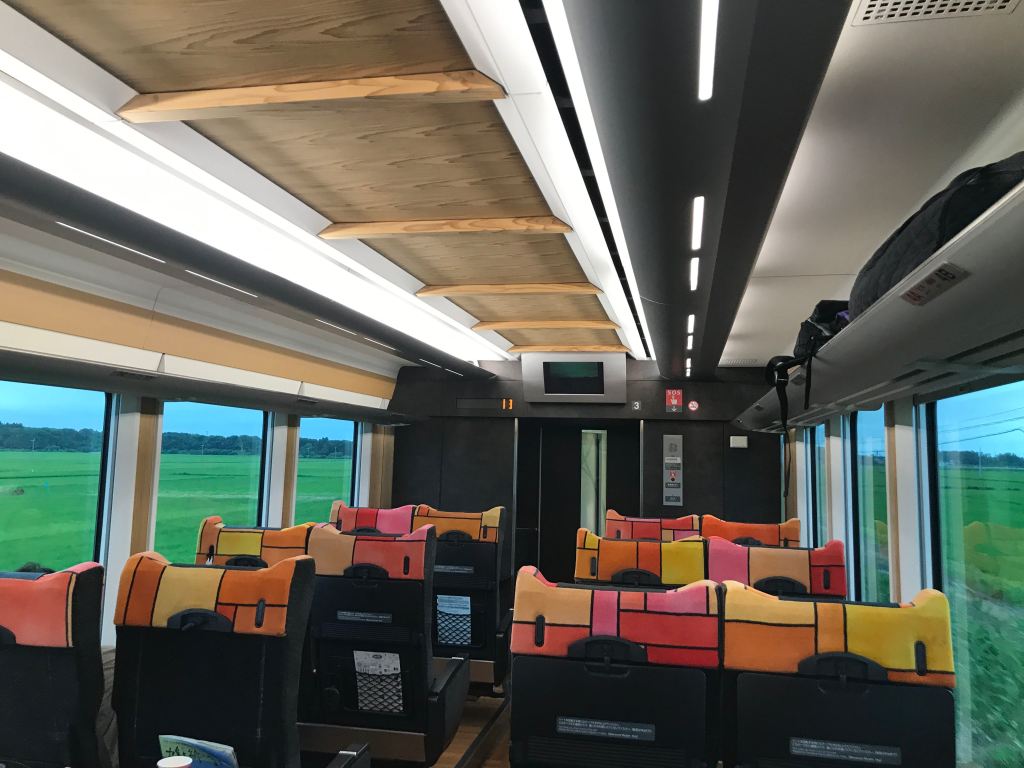
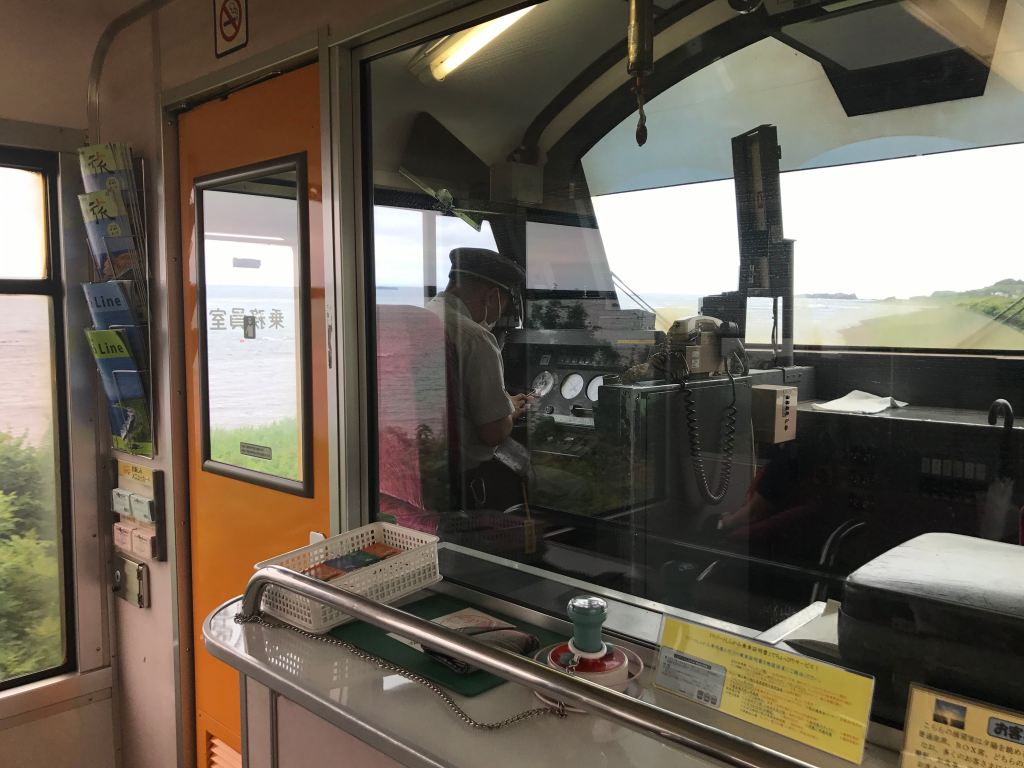
Take a break from car rental, coz the special train ‘Resort Shirakami’ can’t be missed! It travels between Aomori and Akita. It is not only for commute, it’s a tour itself!

Remember to grab a free postcard and stamp the train model pattern on it. Also don’t forget to buy apple ice-cream from the bar (Aomori is famous for apple)! And yes, this train has a bar, with alcohol and snacks 🙂

The whole journey makes a few stops, each has ~15mins for you to get off and take pictures. Like tour couch, there are announcements explaining all the spots outside the window, and sometimes there is performance of the traditional music instrument ‘Tsugaru-jamisen’ on 1 of the cabins.

Access & station info

Just get off at Jyuniko station and interchange for the bus to Aoi Pond. But you may have to wait for around an hour.

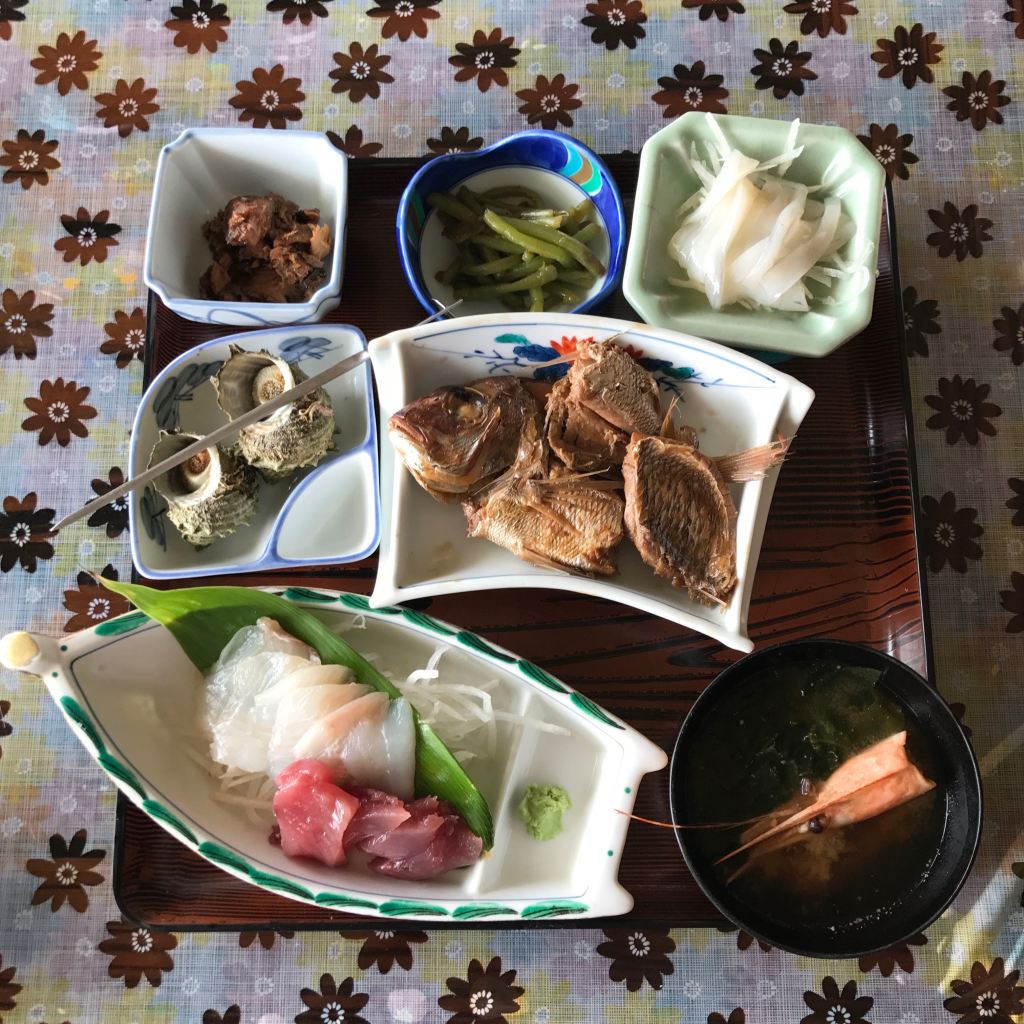
To kill time, go have lunch ‘Omakase set’ at Seikanso Tsunamoto Restaurant (静観荘網元), right across the station. The seafood are super fresh and delicious! And surprisingly, the set above only cost me 1000 yen!!!

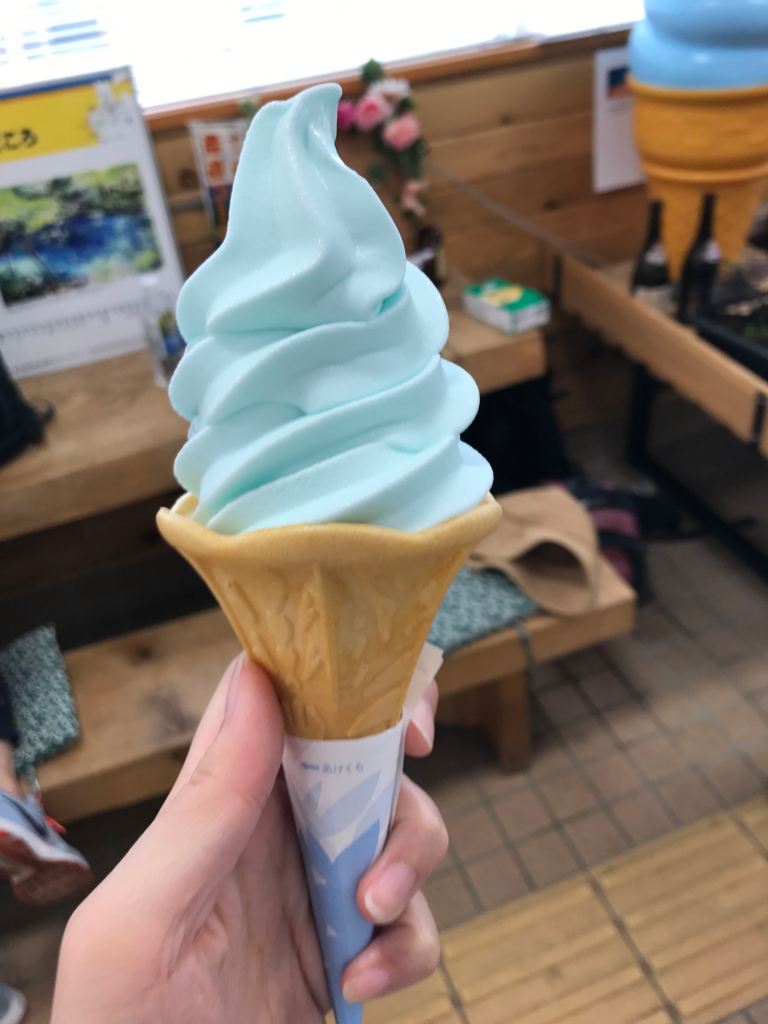
If you don’t have enough time, try the Aoi Pond ice-cream at station shop. It said yoghurt flavor, which is weird but not bad.


Do not take the last bus/train.
There are basically nothing around the area.

[Japan] Hot springs are even better WITHOUT WATER

Japan is a heaven for hot spring (onsen) lovers. Sadly for people with weak hearts (me), can’t keep your breast under water for long even when you are naked.

What if… there’s an onsen that you don’t need to get boiled?

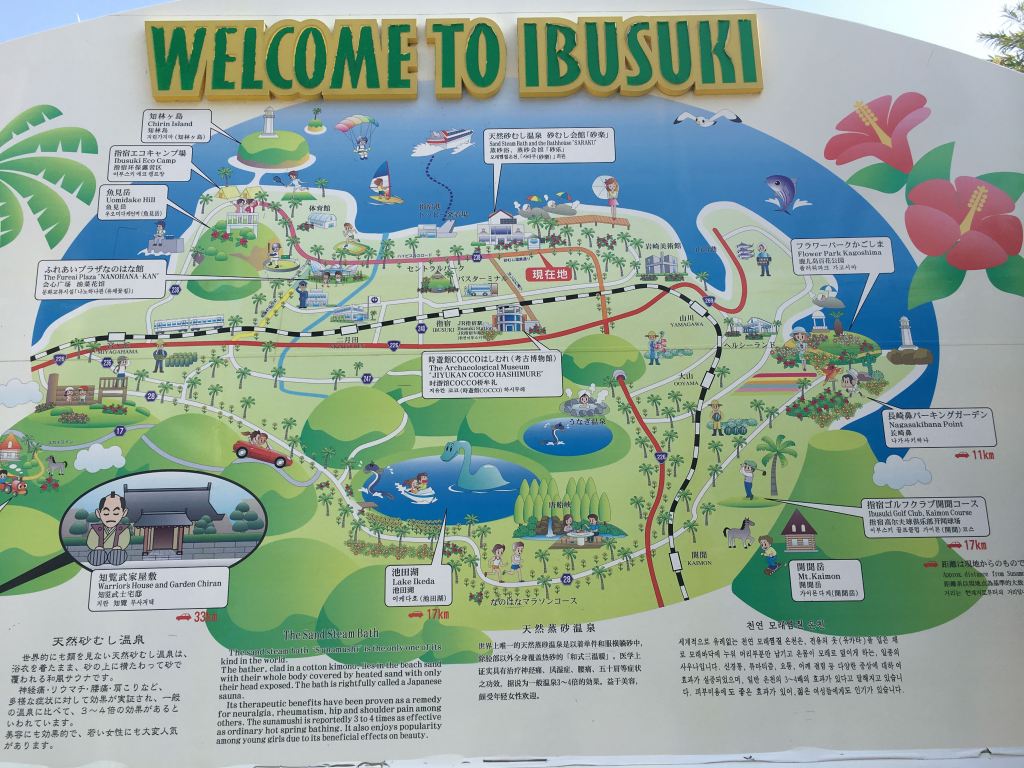
Ibusuki ( 指宿 )

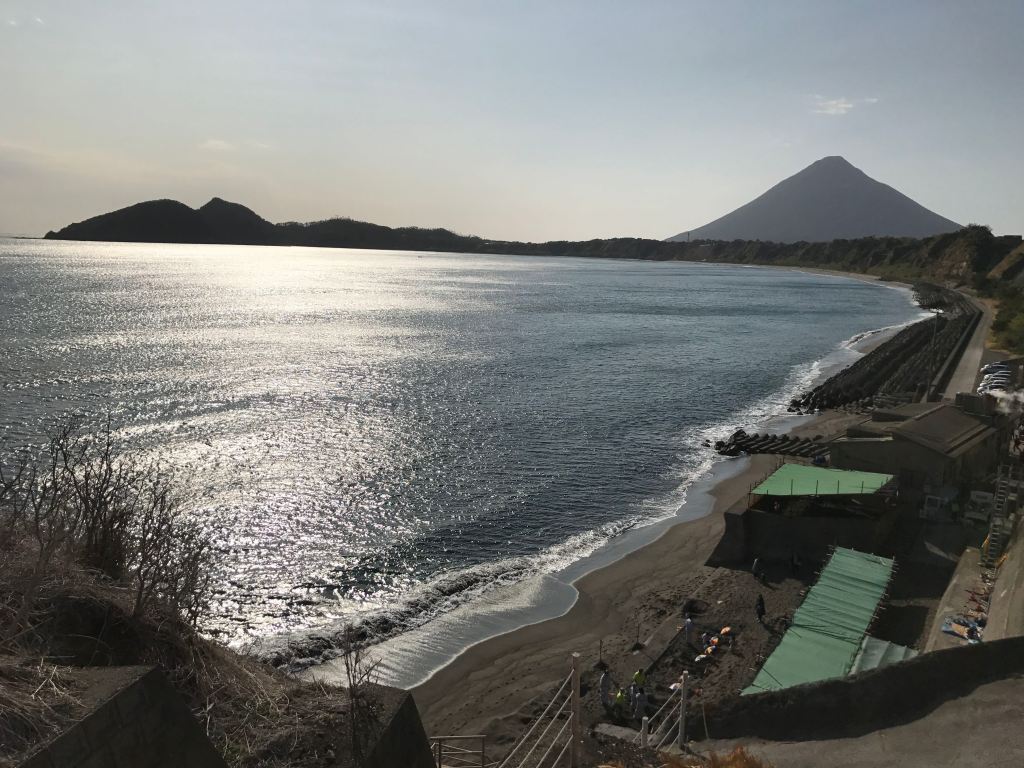
The onsen is at Ibusuki, the southest part of Kyushu.

It is famous of onsen so there are lots of facilities. But the one I went to, cannot be compared.

Healthy Land bath facilities

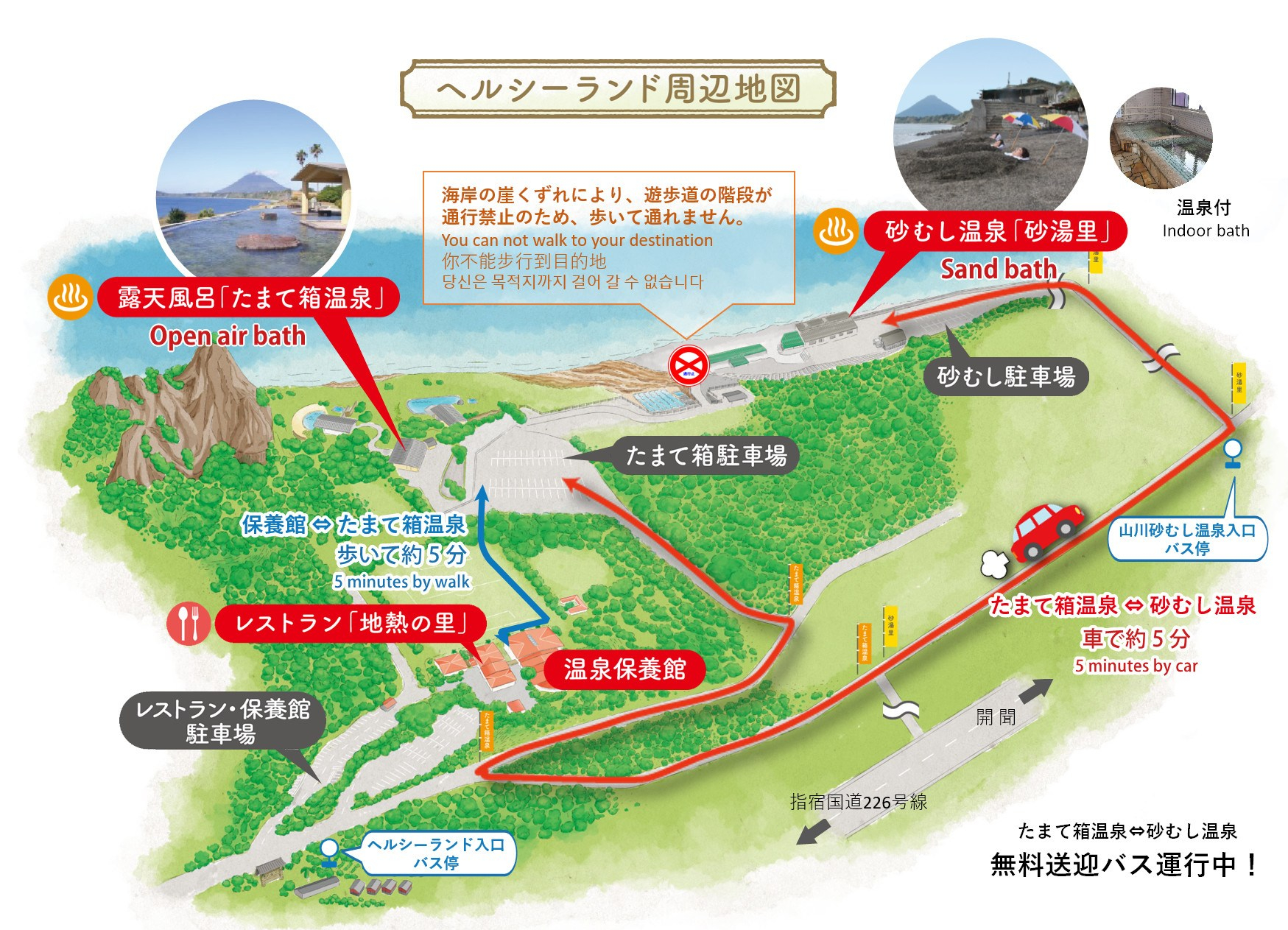
Healthy Land consists of 2 main baths – Open Air Bath and Sand Bath.

Open Air Bath has 2 main areas, western style pool facing the ocean and japanese style pool facing the mountain. You can visit only 1 area each time, woman can visit the western one on even number dates, vice versa.

Check out the website for more


Sand Bath

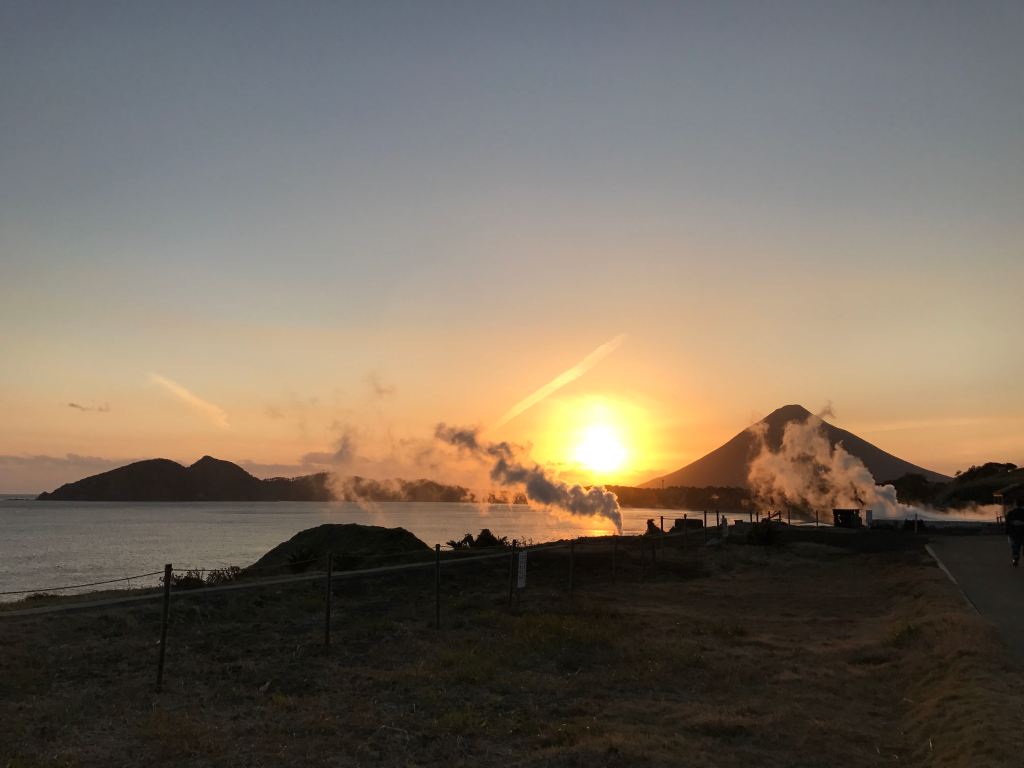
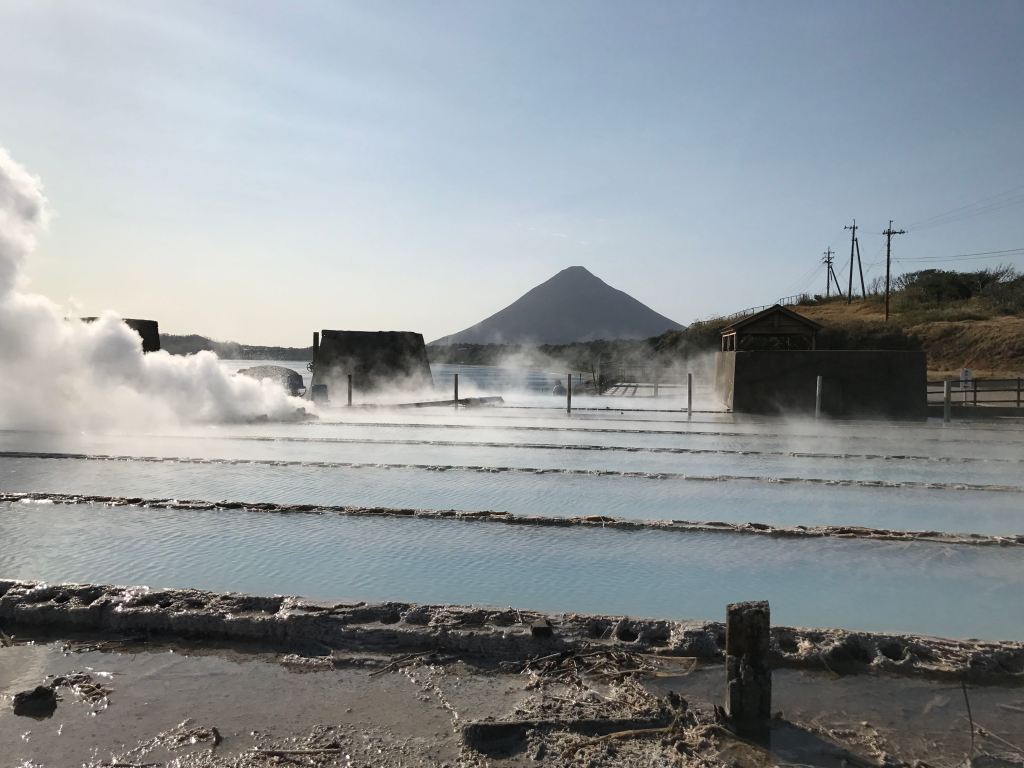
It takes 5-10 mins along the shore from the Open Air Bath. You can see many steam punk-ish machines on the way.

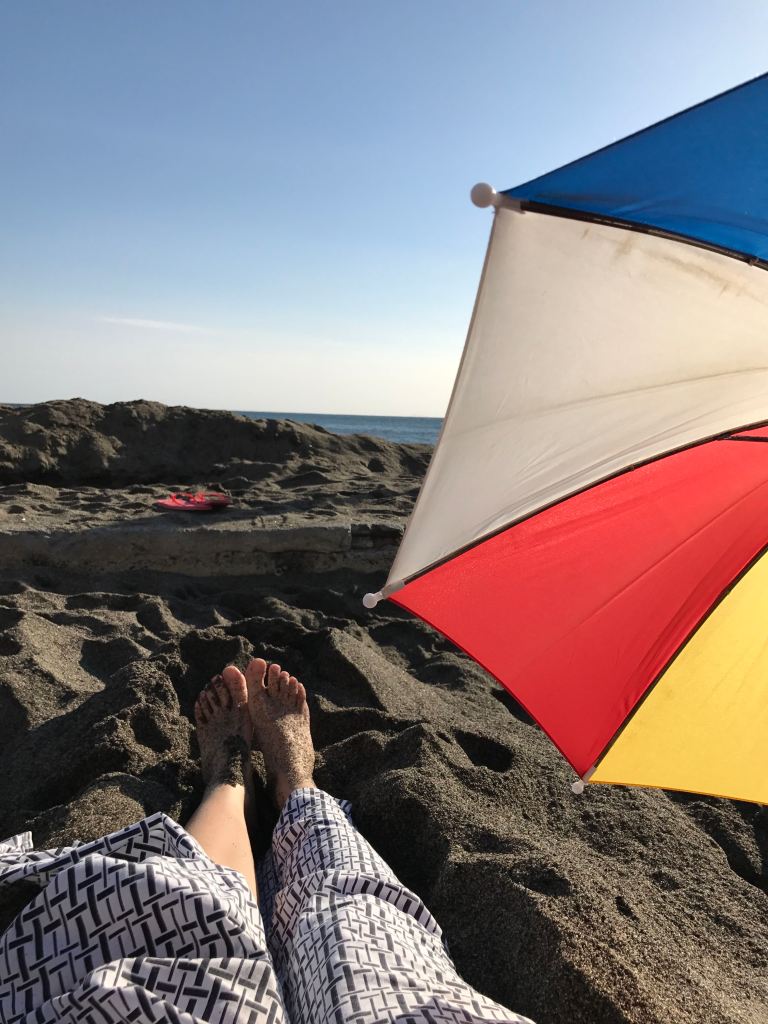
Go downstairs when you see the green tents. Pay your money, take off all your clothes and change to Yukata. Remember to go out with a towel!

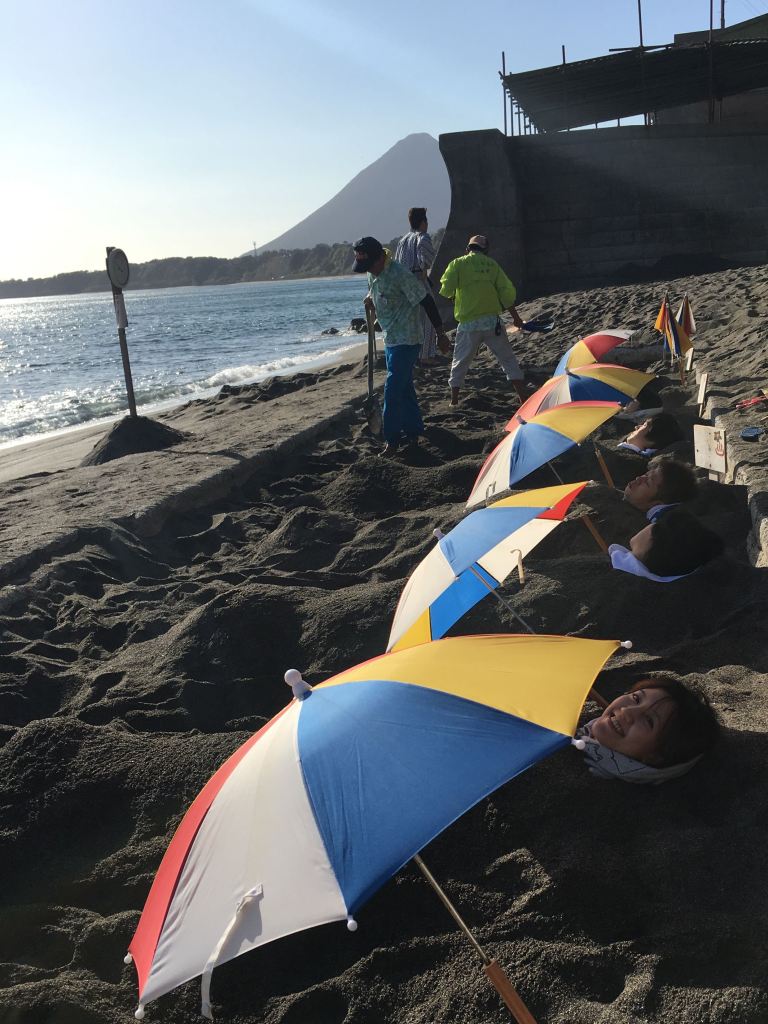
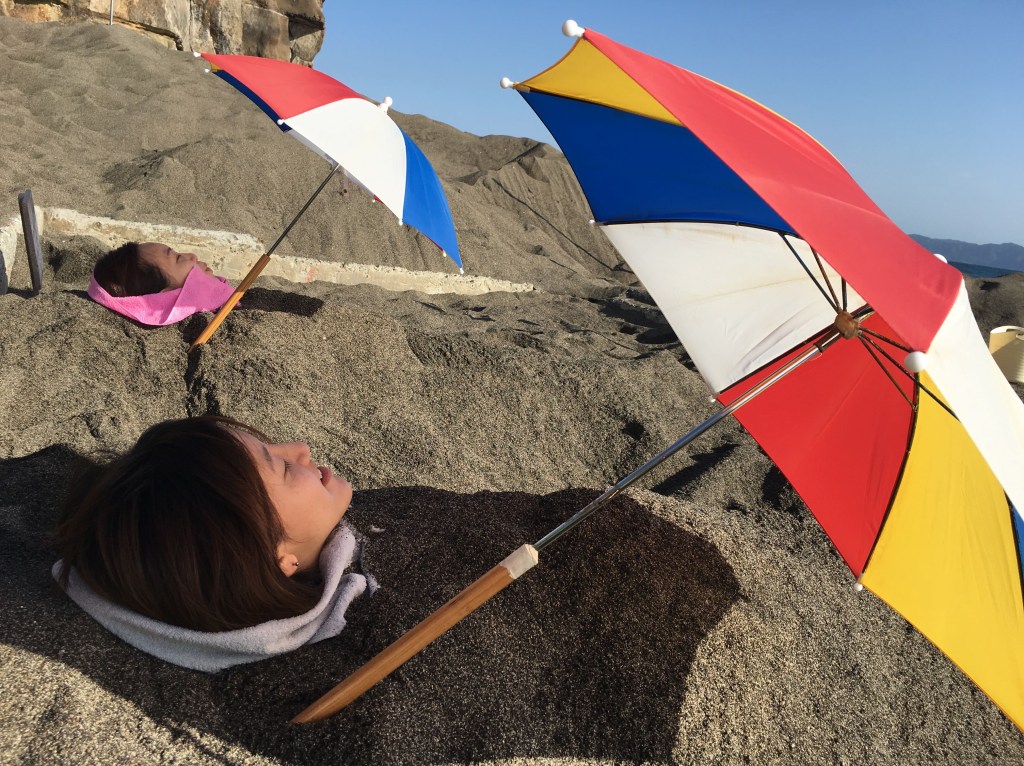
The staff will guide you to lie down and put kilos of hot sand on you.
DO NOT TAKE OFF YOUR YUKATA!

The towel is for protecting your head and hair, where your whole body including hands and legs, is under the heavy sand dune. The staff will put an umbrella to shade your face. Pictures are welcomed as everyone has clothes on, put your cam inside the basket and the staff will take tons for you.

I couldn’t stand the weight for long, but it’s embarrassing to shout out for help… normally they will wait for 15 mins before waking you. I slowly shake off the sand, took me a few mins till I could get up. So if you are with kids, make sure they don’t feel uncomfortable.

Phenomenal.
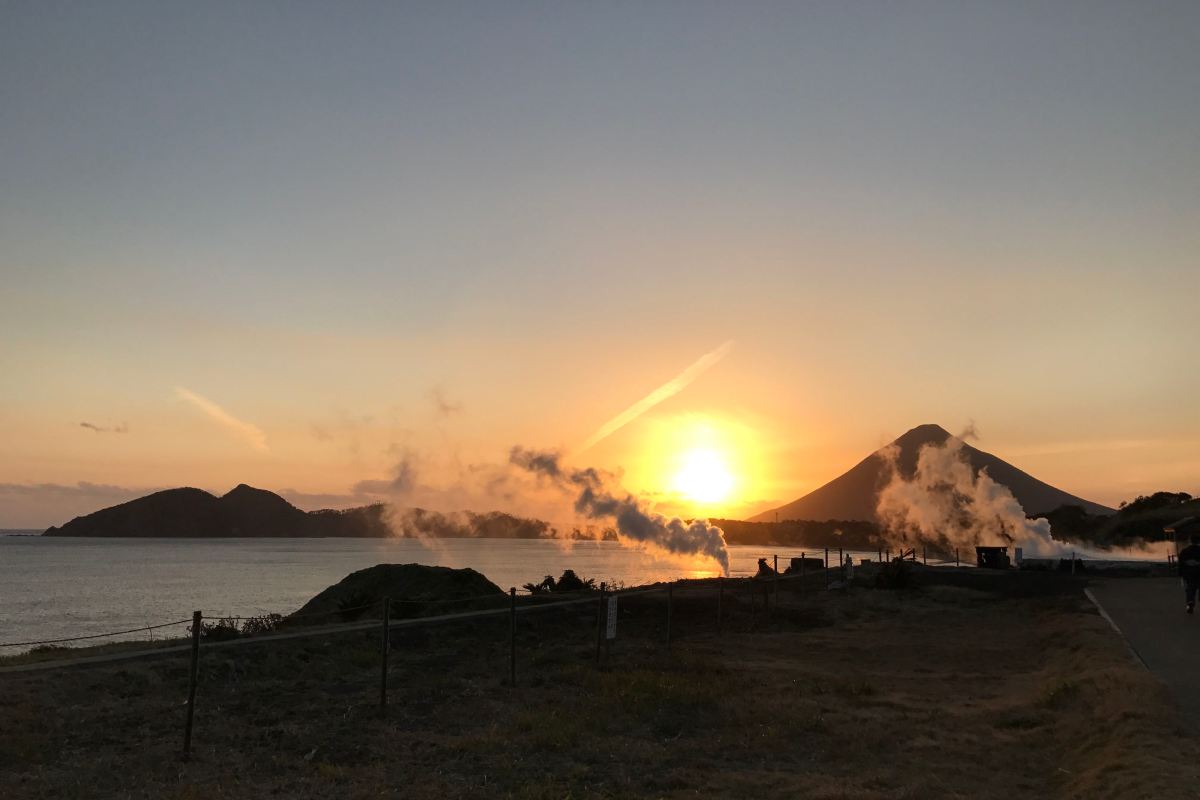
Relaxing with sea waves, under this magical golden sunset.

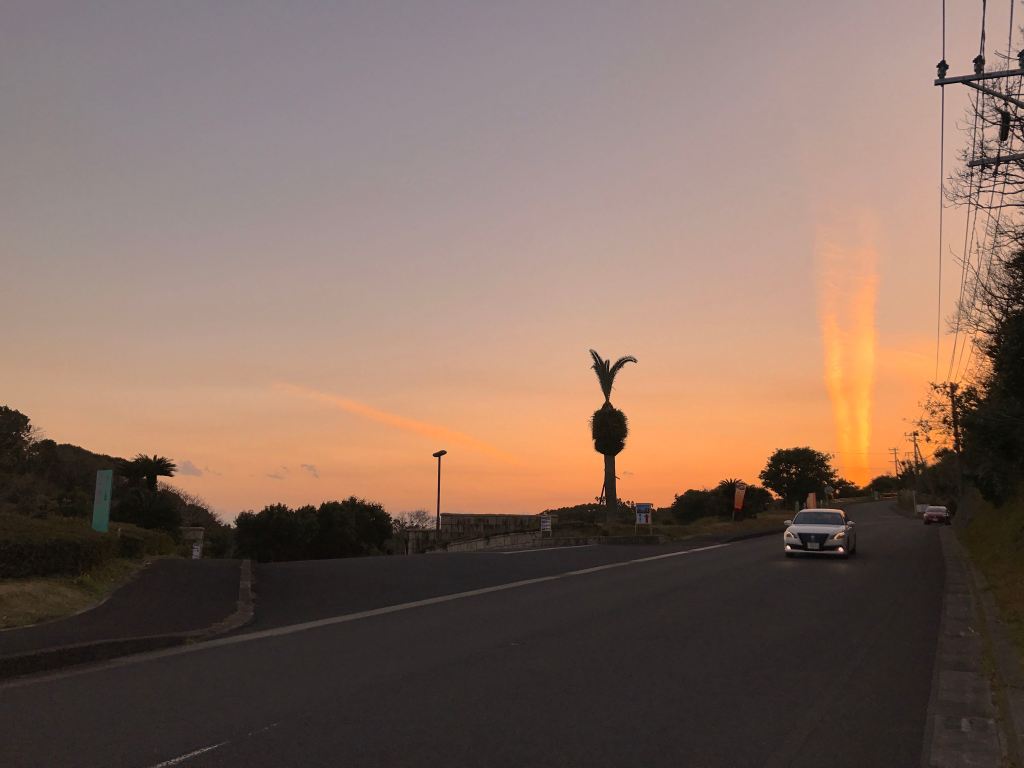
It’s time to go when you see the sunset. You gotta have a shower to wash away all the sand.

Healthy Land closes at around 6 and there are not much lights nearby the bus stop. I can’t see any taxis, really recommend ppl to leave earlier.


Access

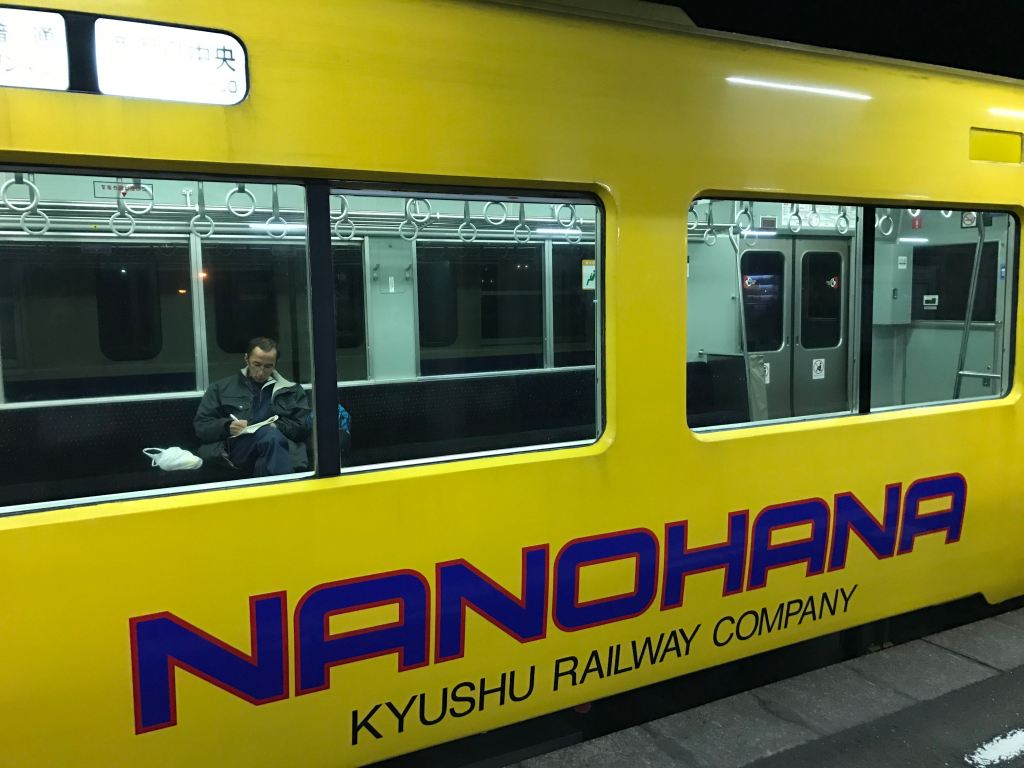
If you go from Kagoshima (鹿児島), take the special express train Isubuki no Tamatebako (指宿の玉手箱) which you can reserve seats having panoramic sea view and receive a special postcard. Or take the Nanohana (means vegetable flower) which takes more time but more trains.

You can interchange for bus at Ibusuki station or Yamakawa station.

There was English announcement on bus, wait for “Healthy Land” bus stop. Gotta walk a bit till you get to the baths.
Pick the set ticket for both sand and open air baths (1240 yen), you can bring your towel to save some money as well.


I don’t see any other places in Japan have sand baths. And the best thing is, there are not many tourists!
Go before it becomes famous 🙂