[Japan] where Ghibli becomes real – last episode

Shikoku (四国) is one of the five main islands of Japan, and probably the least popular one among tourists. Yet, it hosts one of the world’s biggest contemporary art festival, Setouchi Triennale (瀬戸内国際芸術祭) every three years. For this reason, the Ghibli power is never a spotlight for the provinces, as the artistic image is overwhelming.

Kiki’s Delivery Service (live-action), Shodoshima
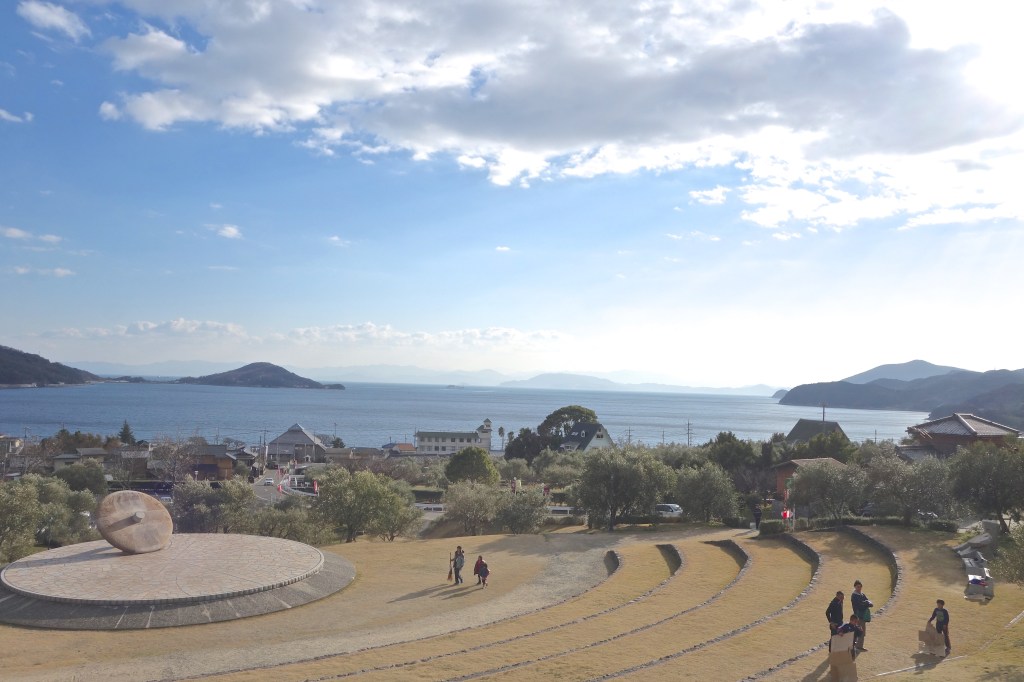
Instead of reference, they actually shot the live-action at Shodoshima Olive Park. It is the first farm that successfully planted olives in Japan.
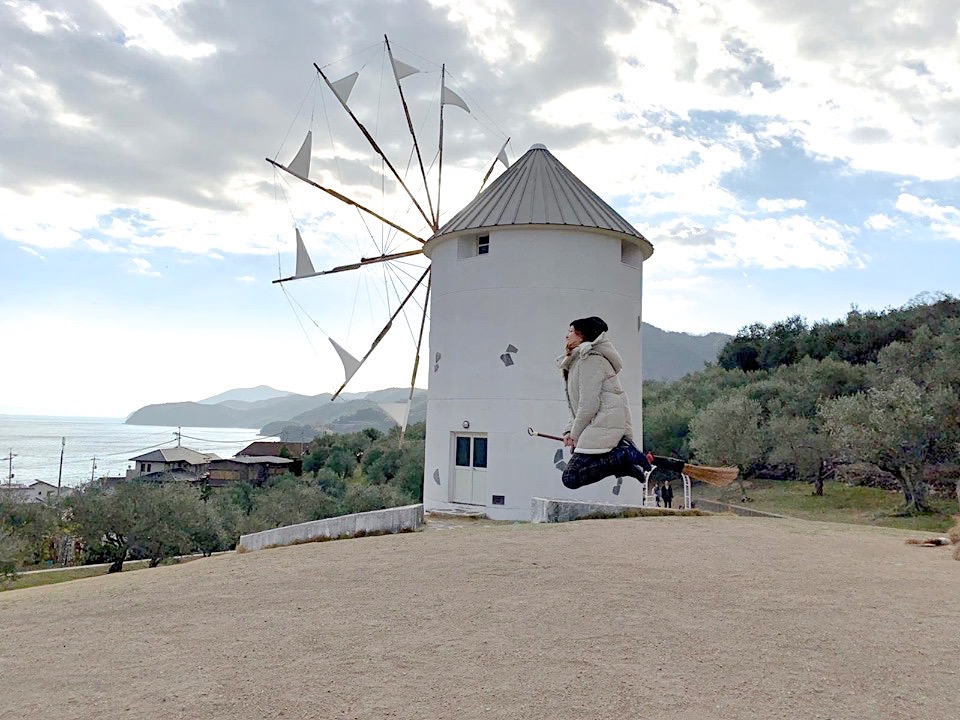
Nowadays, it is being used as a Kiki X Olive theme park. There are brooms for free rental, remember to hook it back on the rack besides the concierge.
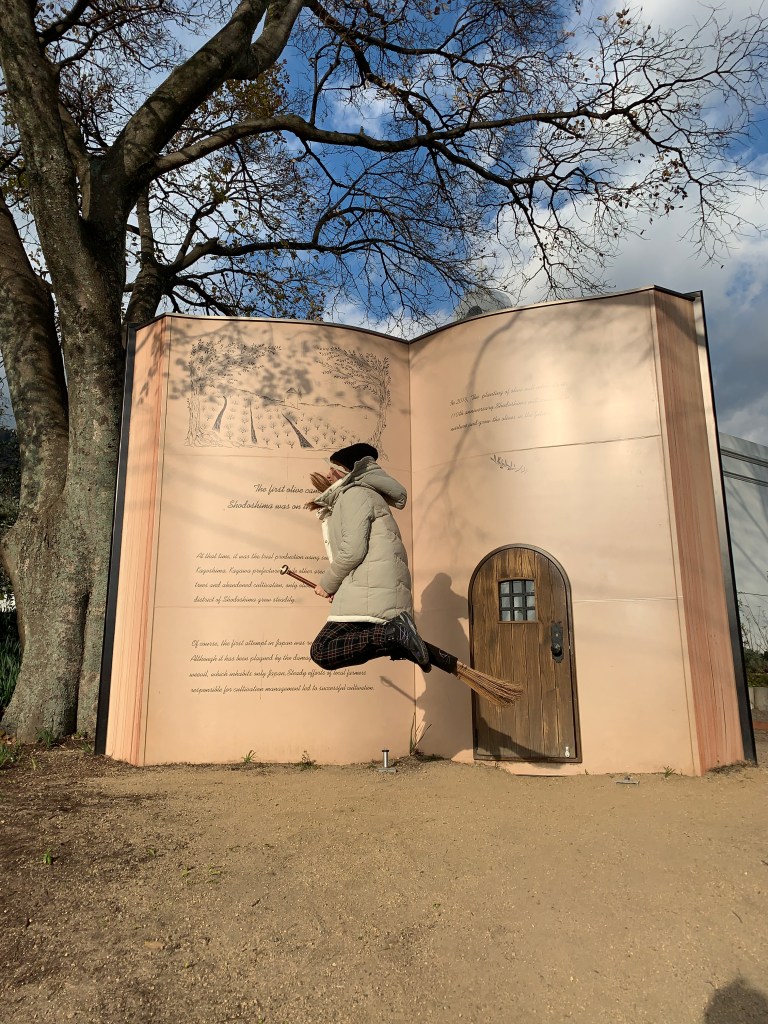
There are varies props for people to get instagrammable pics. Trend is to capture the moment of jumping with the broom, to imitate Kiki, the witch trainee riding it.
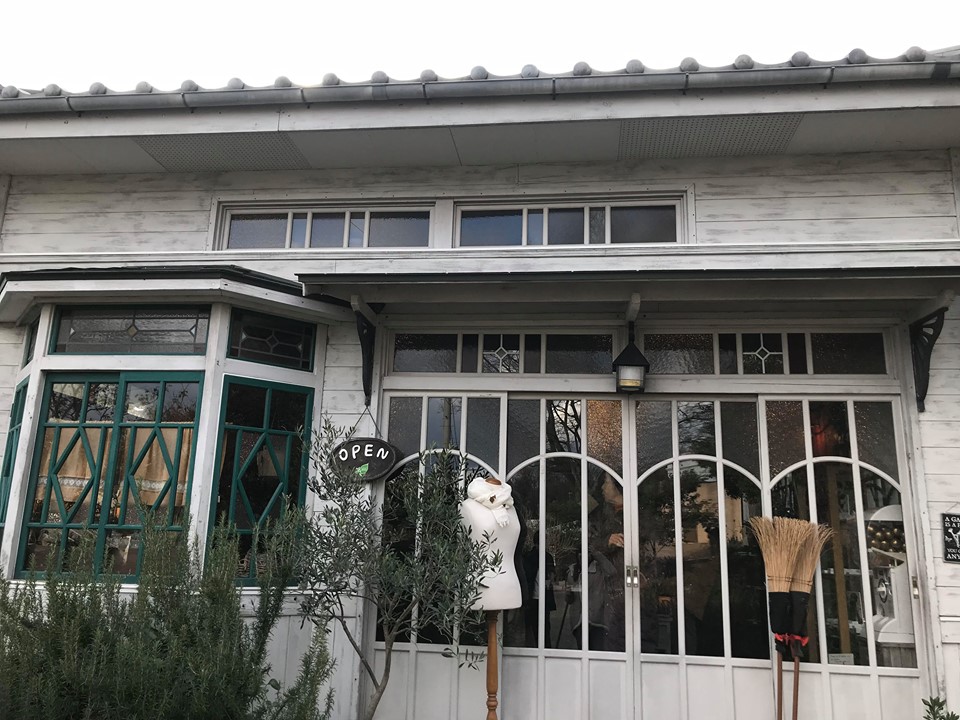
Kiki’s home in the movie, actually exists as a shop. It’s close to the olive branches, you can collect olive leaves and DIY your own bookmark.

A mile from the Olive Park main attractions, there is a building called ‘Sun Olive‘, which has an open-air hot spring with phenomenal sea view.

Access

There are ferries from many nearby cities. The fastest and most frequent service is from Takamatsu. After you get off the pier, take the Shodoshima Olive bus and get off at the Olive Park.

Click for more details


Spirited Away, Matsuyama

Matsuyama has many historical features.
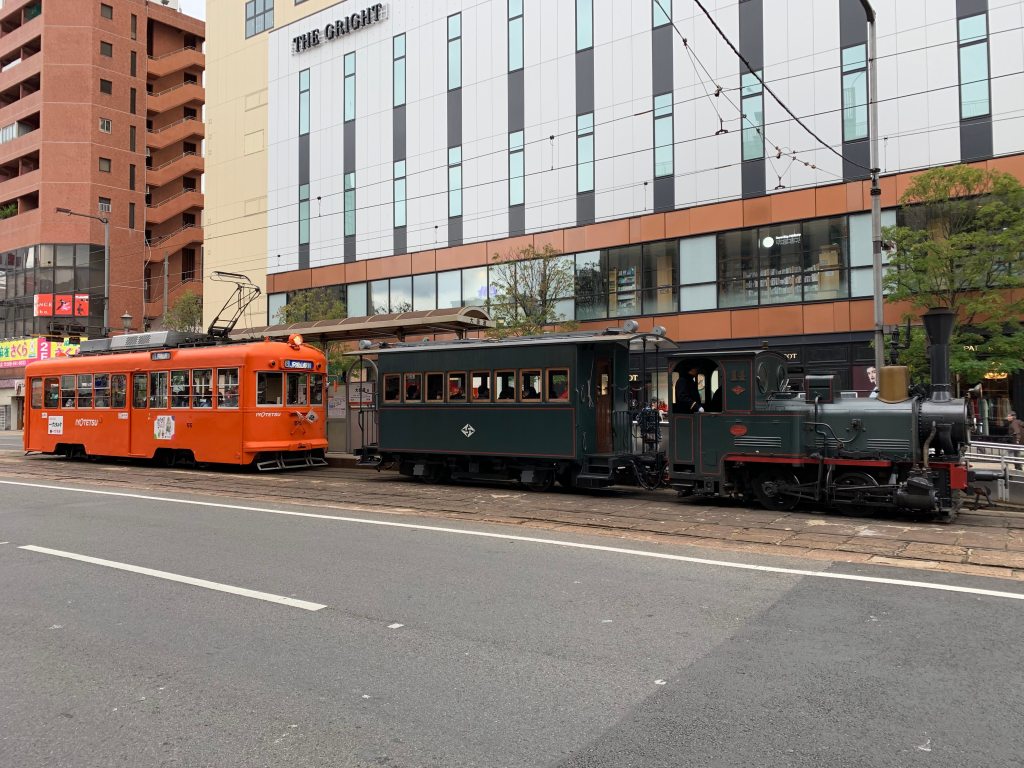
From the train station to trams, all of them are in antique style. But still, Matsuyama is relatively busier than Takamatsu.
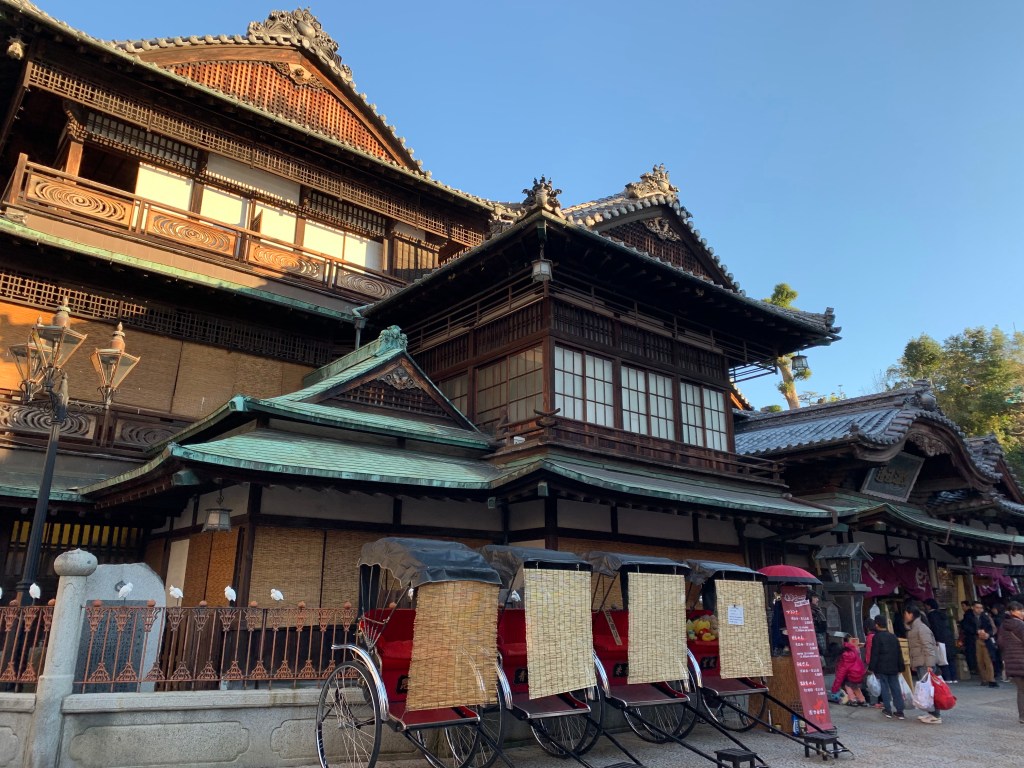
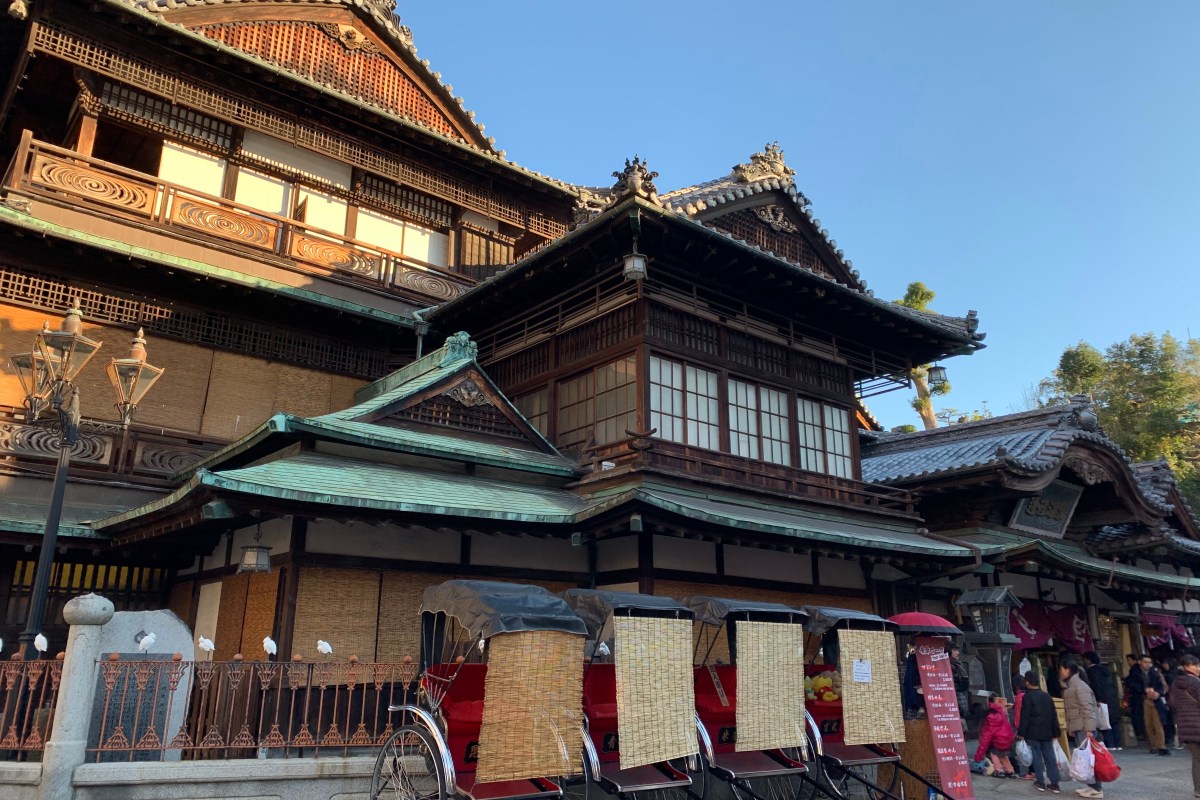
Dogo Onsen is a hot spring facility, where the ‘Honkan‘ part (oldest building) is being used as the reference for Spirited Away’s bath. The building is a Meiji Period wooden public bathhouse dating from 1894.
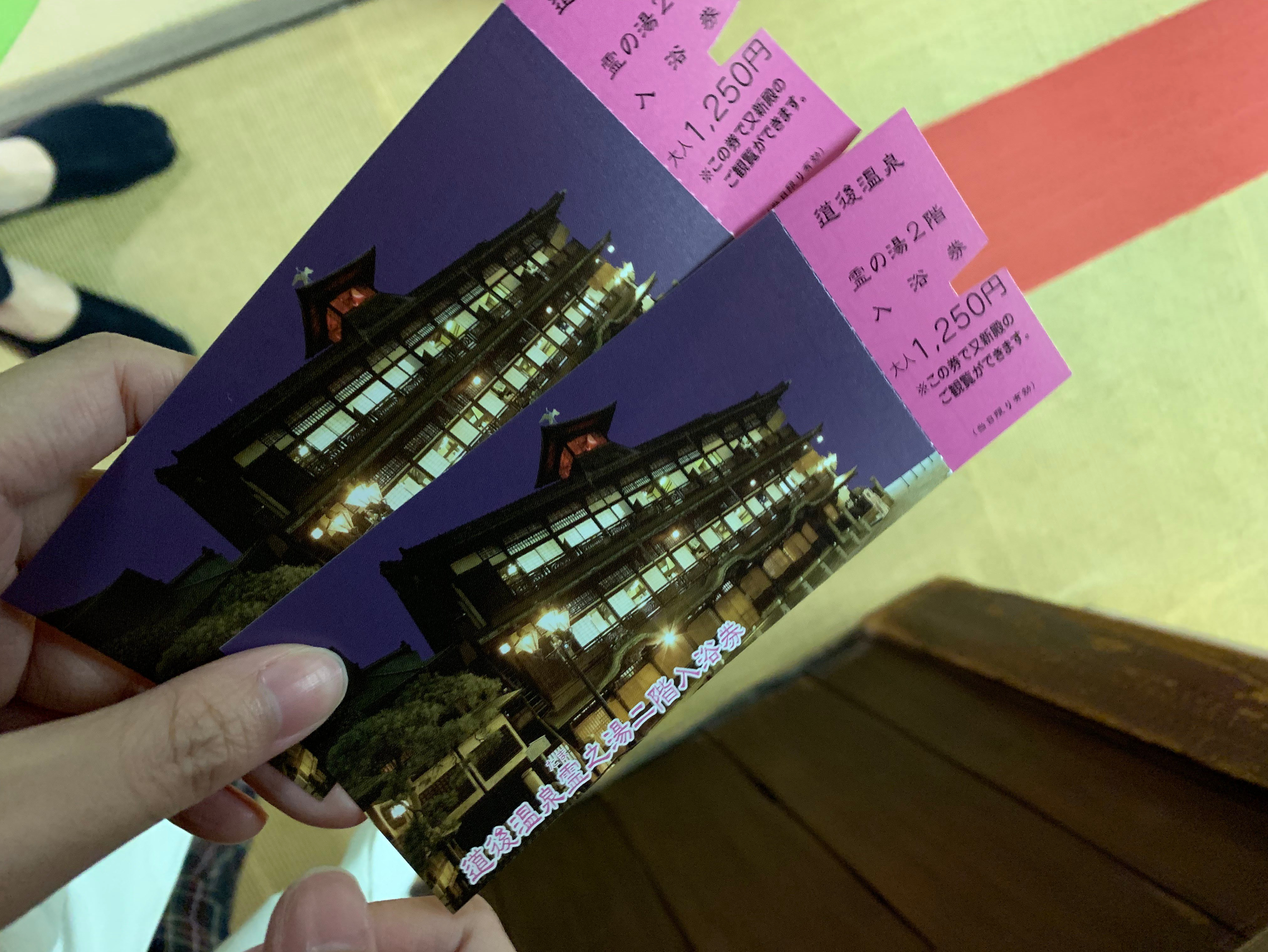
There were quite a lot of people (it was holiday in Jap), we had to buy the ticket from the box office, and enter later at the assigned time. There are different packages mainly defined by floors, mine include snacks and reserved seats on the 2nd floor. 1st floor is the big area and 3rd floor has private rooms.
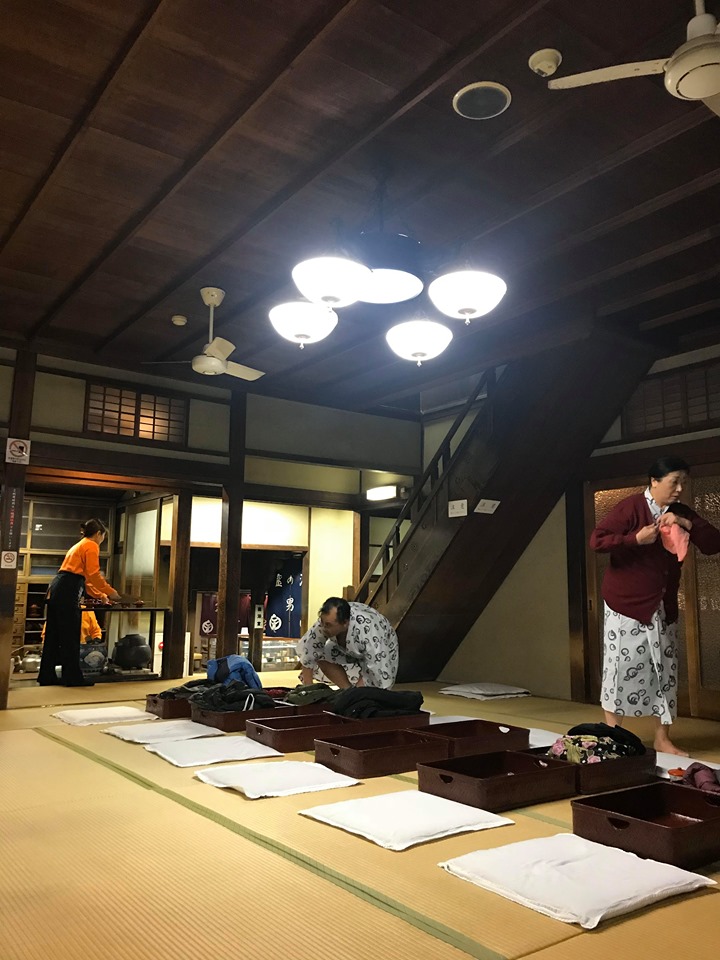
Everyone get changed to Yukata in the restroom at the very beginning. On the 2nd floor, there were good shampoo (Shiseido tsubaki), soap and hairdryer, there was nothing when I went to the 1st floor. But the main onsen is on the 1st floor…not that impressive though, but the one on 2nd floor is just like a bigger bathtub. You wear the yukata when you travel among the floors and take it off at the locker room outside each bath.
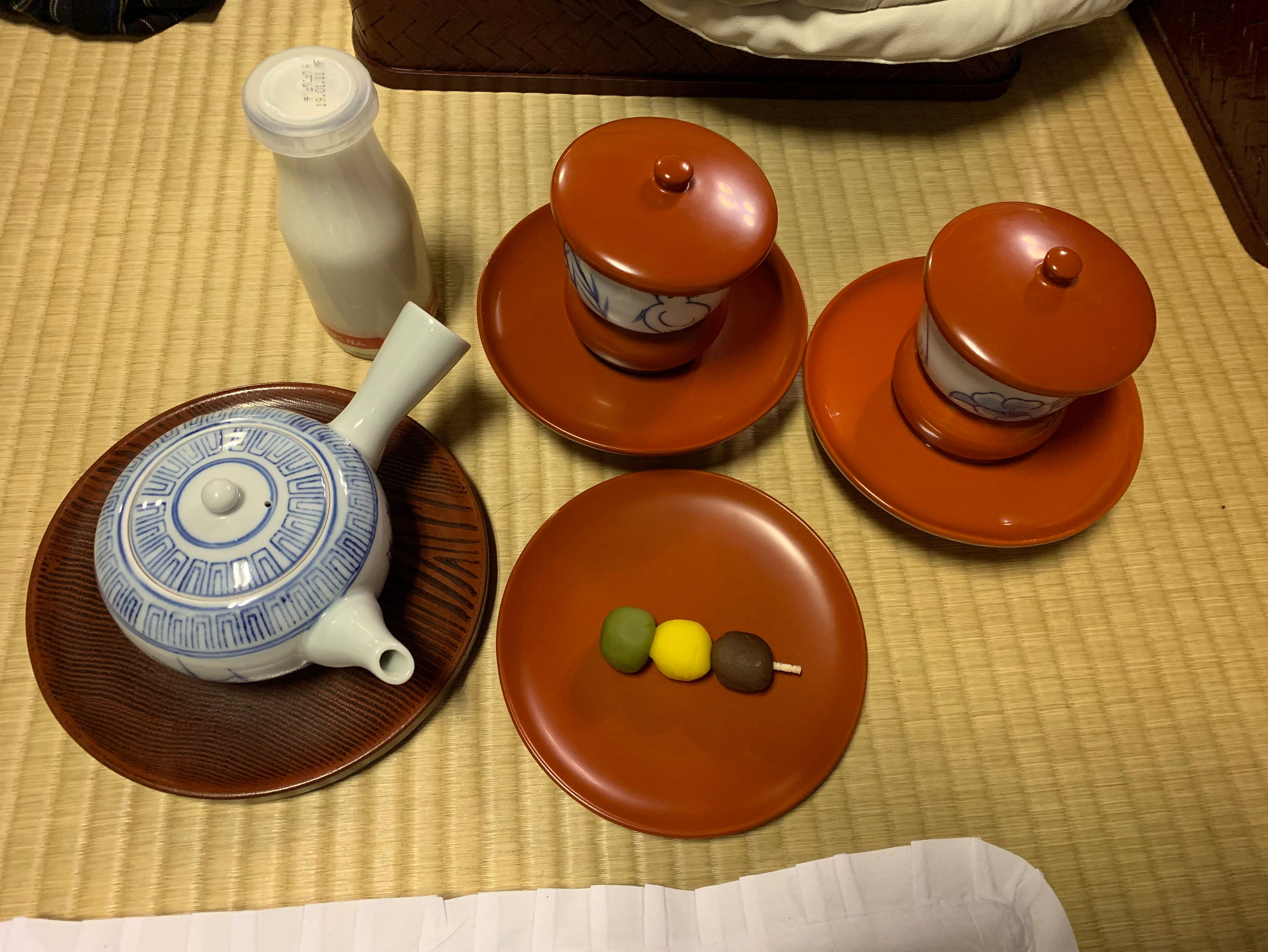
After you finished bathing, they will give you traditional snacks, cookies (eaten before I took a pic sorry) and refillable tea. (I bought the milk) There is a shop right next to the resting space, selling souvenirs and beverages. Surprisingly, the price was quite cheap, soap was 200 yen and towels were less than 1000.
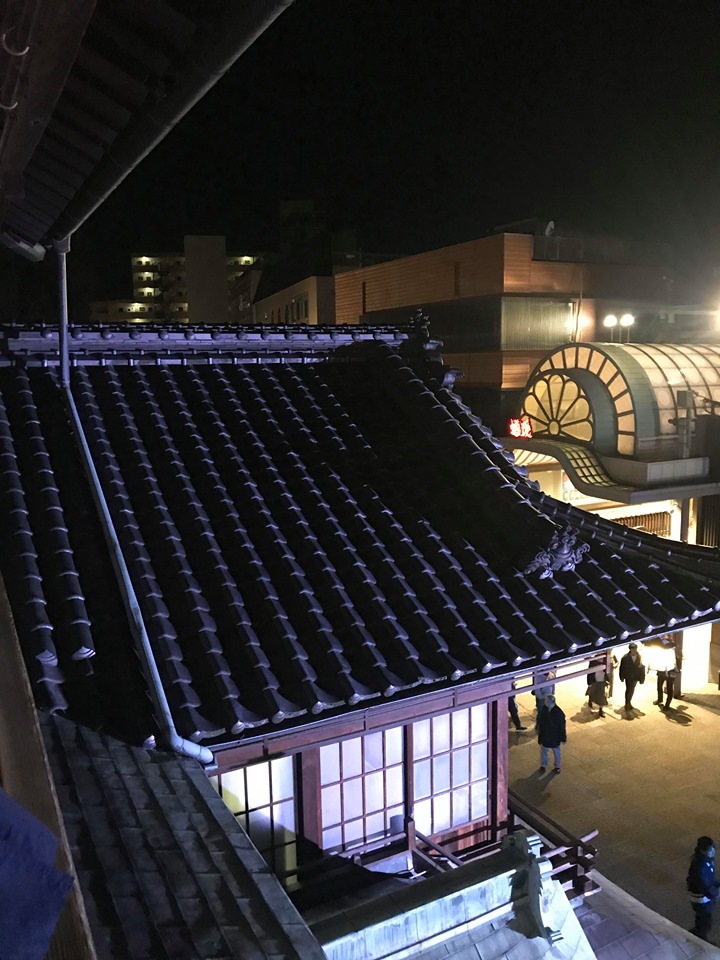
Before you go, a staff will show you around the building, in your preferred language. You can visit the terrance and look back to the city.


Access

Take the JR Shinkansen to Matsuyama station, change to trams and get off at ‘Dogo Onsen’ station. You need to walk pass the entire souvenir street to see the building.

Click for more


Bonus

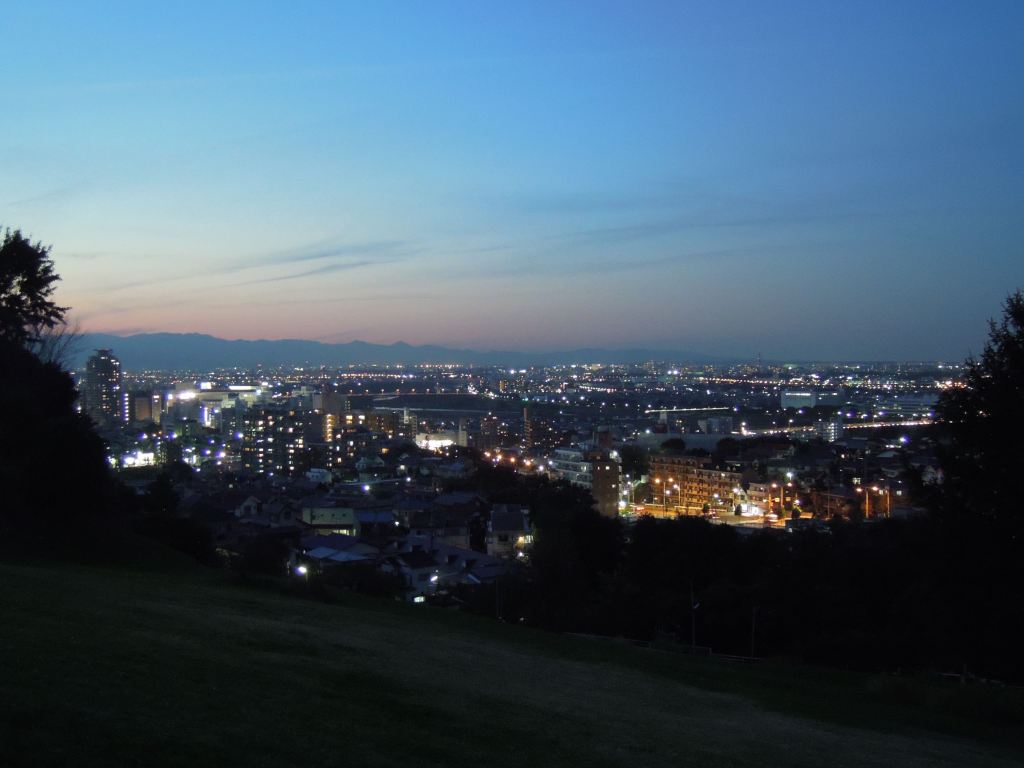
Relatively not popular Ghibli titles, ‘Whisper of the Heart’ and ‘Pom Poko’, both referenced a small town in western Tokyo, ‘Seiseki Sakuraga oka’ (聖蹟桜ケ丘). Almost everything of ‘Whisper of the Heart’ are based on the town, so it’s a must-go if you are a fan. Reach by Keio Line from Shinjuku.
[Japan] where Ghibli becomes real – ‘Princess Mononoke’ pt 1

‘Princess Mononoke (もののけ姫)’, a masterpiece that Miyazaki Hayao spent 16 years developing the concept and 3 entire years making it. Miyazaki urged Ghibli studio to create this piece before he’s too old, as there are lots of action scenes and the theme is very serious comparing to others.

Shirakami Sanchi (白神山地)

Located across Aomori and Akita Prefecture in the Northeast of Japan, this is the reference for the village that Ashitaka, the main role lives. The forest is around 170 sq. km big with natural habitats, no wonder it becomes UNESCO World Heritage Site.

Twelve Lakes ‘Jyuni-ko’ (十二湖)

As the forest is not easily accessible and tbh it is quite a normal forest… Jyuni-ko, meaning ’12 lakes’, is the most worthy place to visit. The area has got more than 12 lakes, and is close to a train station.

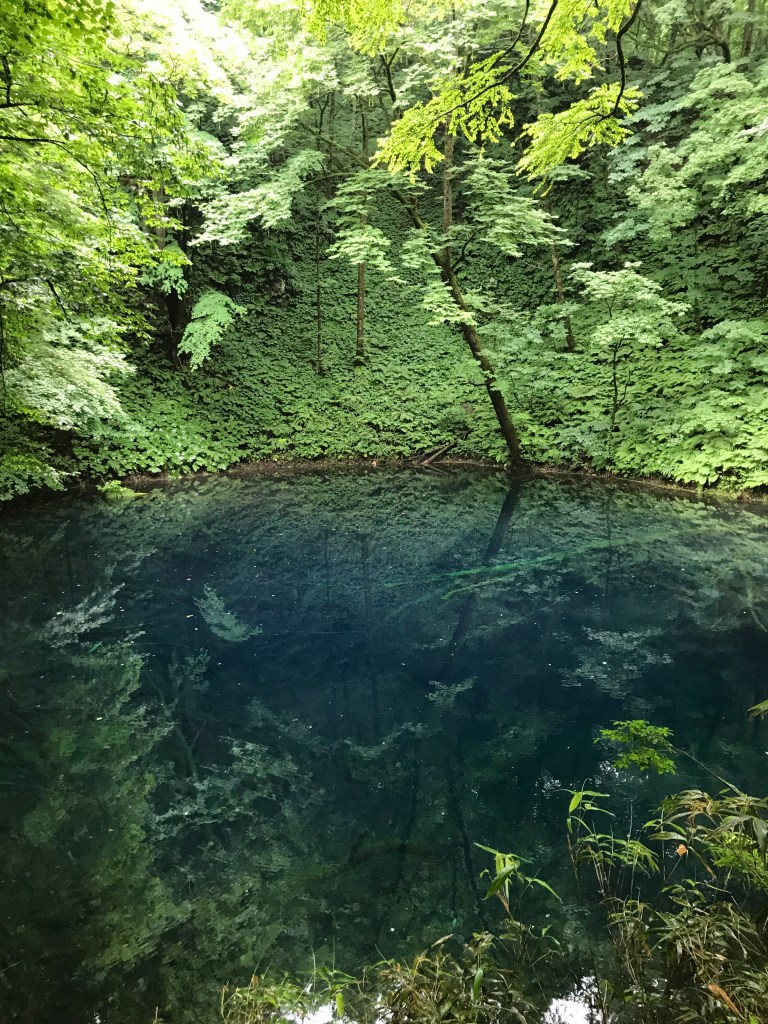
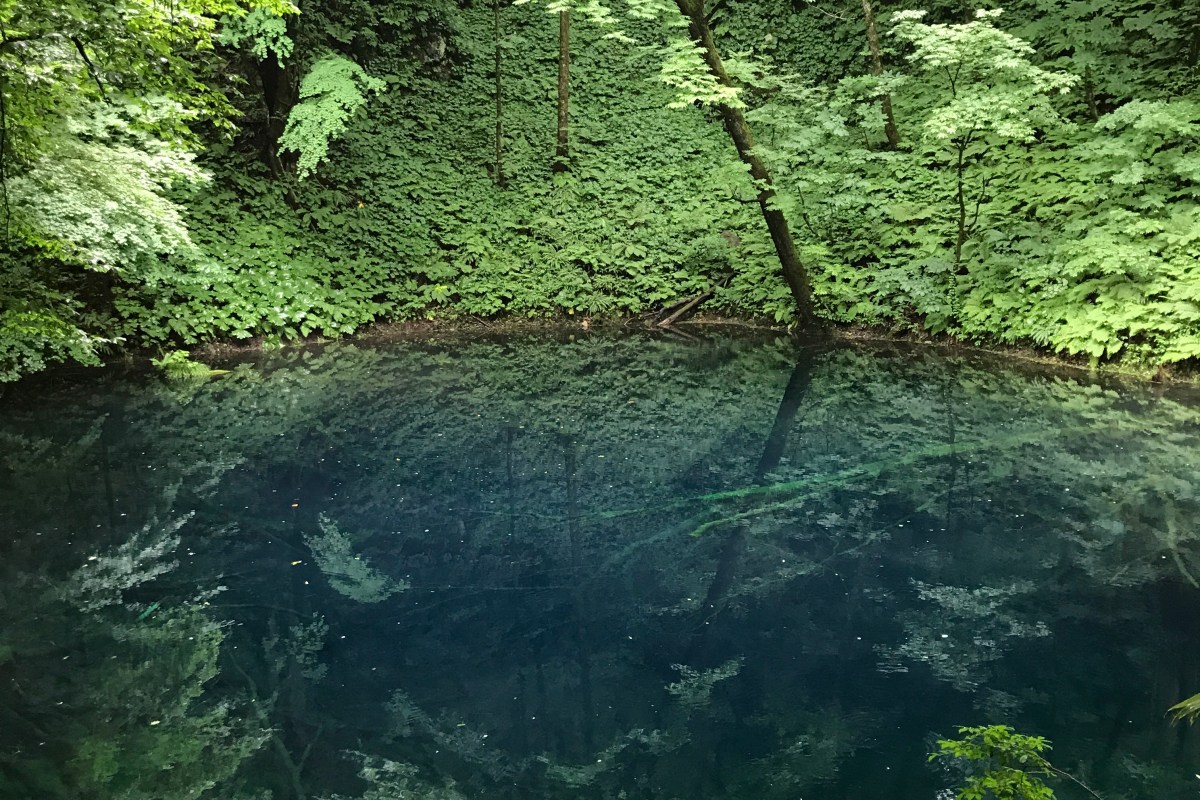
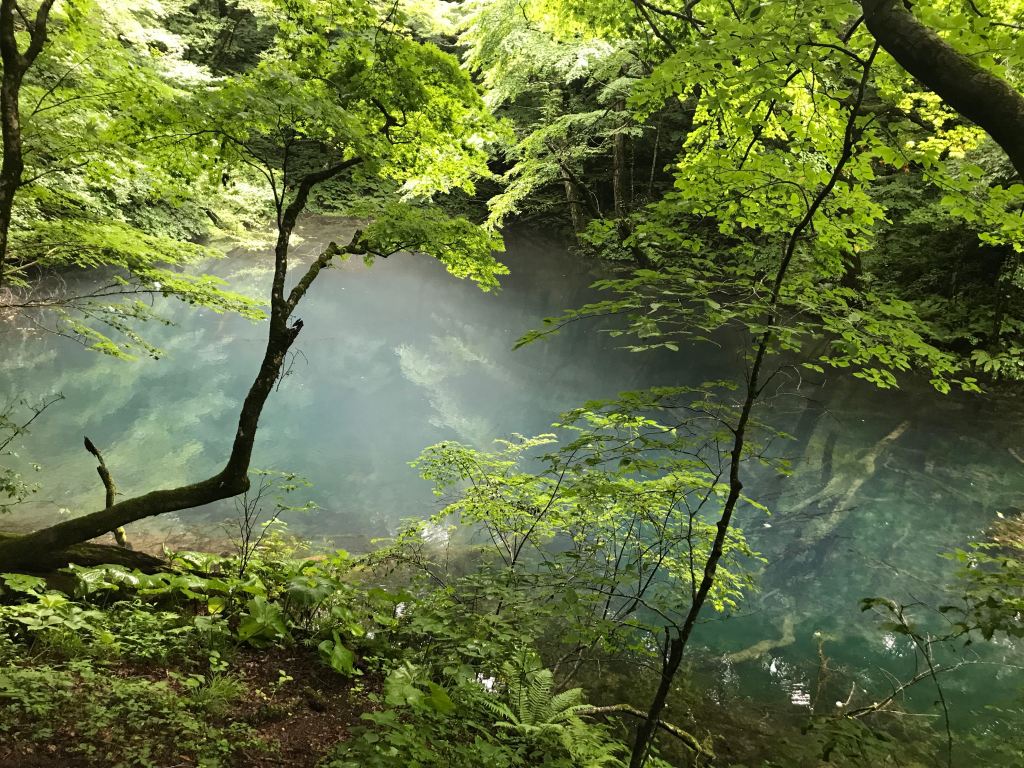
Aoi Pond (青池) is very famous for its beautiful sapphire blue color. The clear water shimmering under sunlight, the space, the voice of nature (birds, waterfalls, waves…) and the weather of Aomori summer (around 16-20 degrees) provide a revitalizing experience.

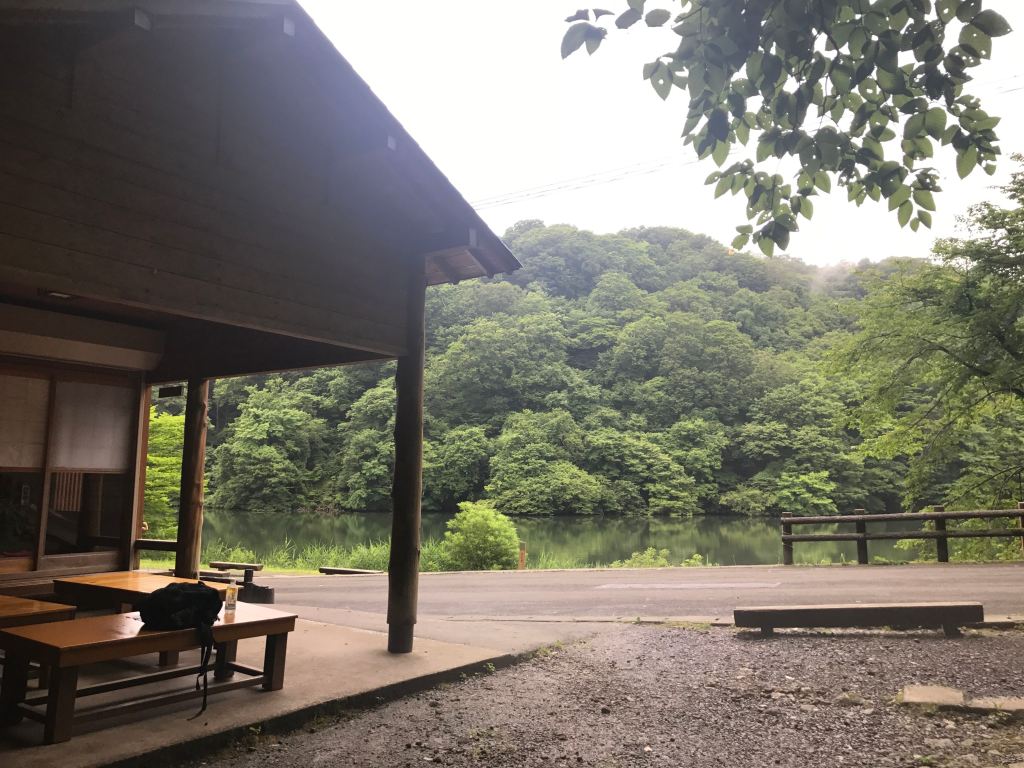
Good thing of not many tourists is, there are free stuff. At the tearoom next to Ochiguchino Pond (落口の池), you can receive a free cup of green tea with Japanese traditional snacks.

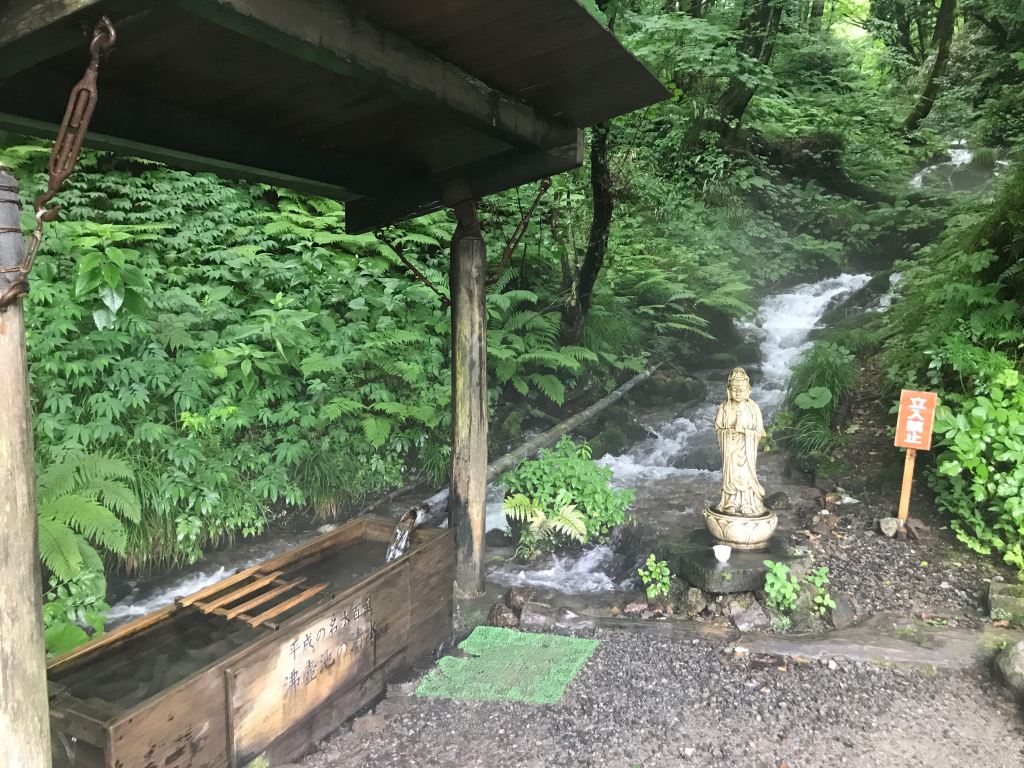
A few steps from the tea room, you can collect water from Wakitsubo Pond (沸壷の池), being nominated as one of the ‘Heisei era best 100 water’ (平成の名水百選). The water was sweet (in a natural way) and cold. All good coz I didn’t have tummy trouble.

Unlike Tokyo or Osaka, it’s a rare choice of traveling, but also a good choice to enjoy interactions with the locals. People in Aomori are really nice and helpful. Just make sure don’t go there in winter, freezing cold and all paths to the mountains are closed.

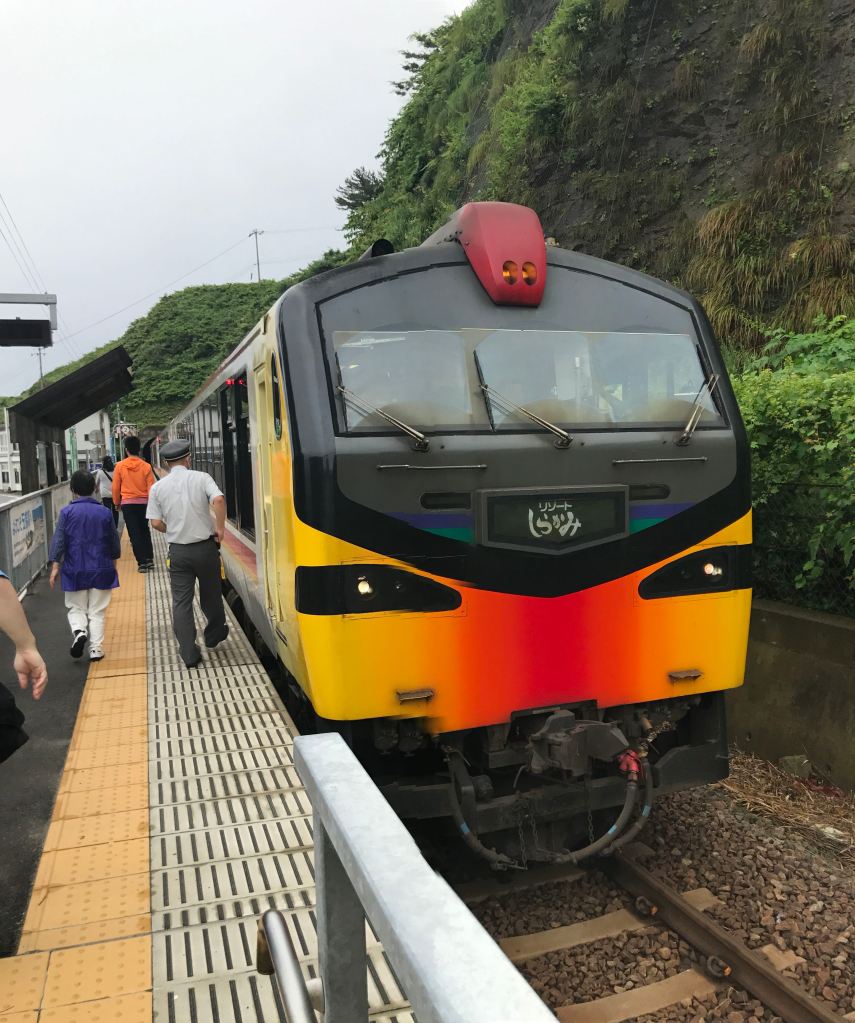
Special Express ‘Resort Shirakami’

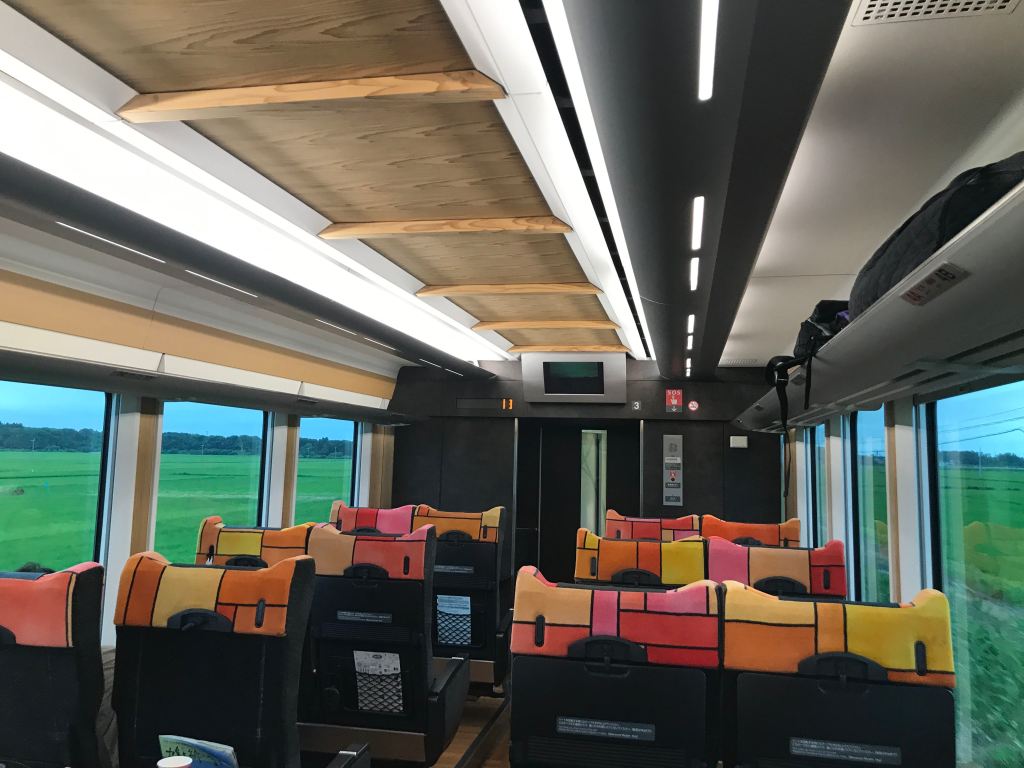
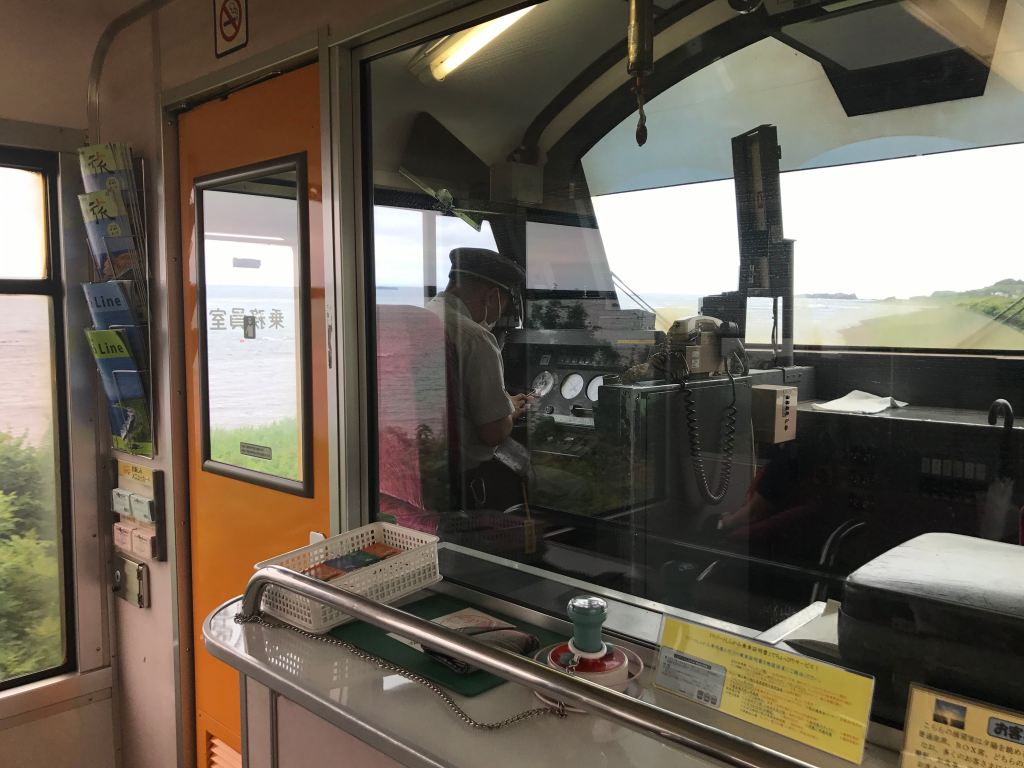
Take a break from car rental, coz the special train ‘Resort Shirakami’ can’t be missed! It travels between Aomori and Akita. It is not only for commute, it’s a tour itself!

Remember to grab a free postcard and stamp the train model pattern on it. Also don’t forget to buy apple ice-cream from the bar (Aomori is famous for apple)! And yes, this train has a bar, with alcohol and snacks 🙂

The whole journey makes a few stops, each has ~15mins for you to get off and take pictures. Like tour couch, there are announcements explaining all the spots outside the window, and sometimes there is performance of the traditional music instrument ‘Tsugaru-jamisen’ on 1 of the cabins.

Access & station info

Just get off at Jyuniko station and interchange for the bus to Aoi Pond. But you may have to wait for around an hour.

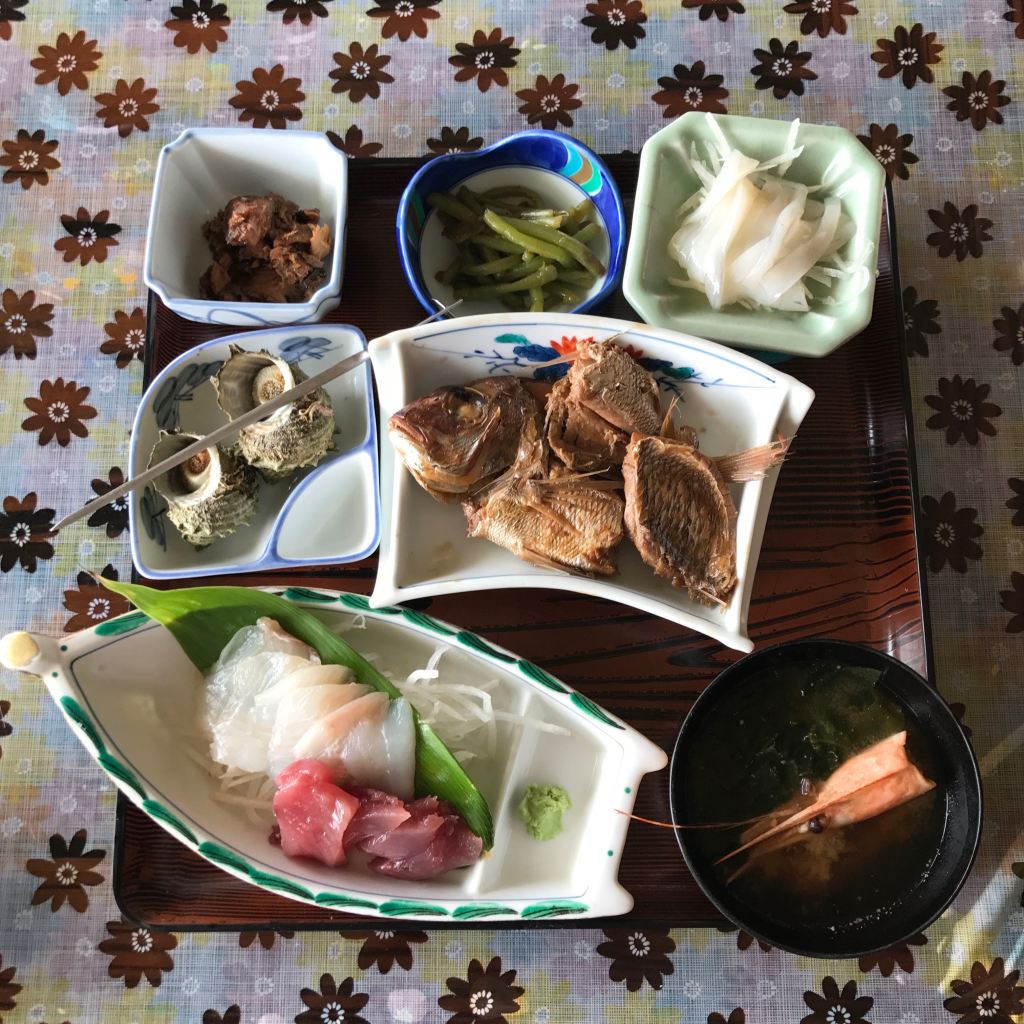
To kill time, go have lunch ‘Omakase set’ at Seikanso Tsunamoto Restaurant (静観荘網元), right across the station. The seafood are super fresh and delicious! And surprisingly, the set above only cost me 1000 yen!!!

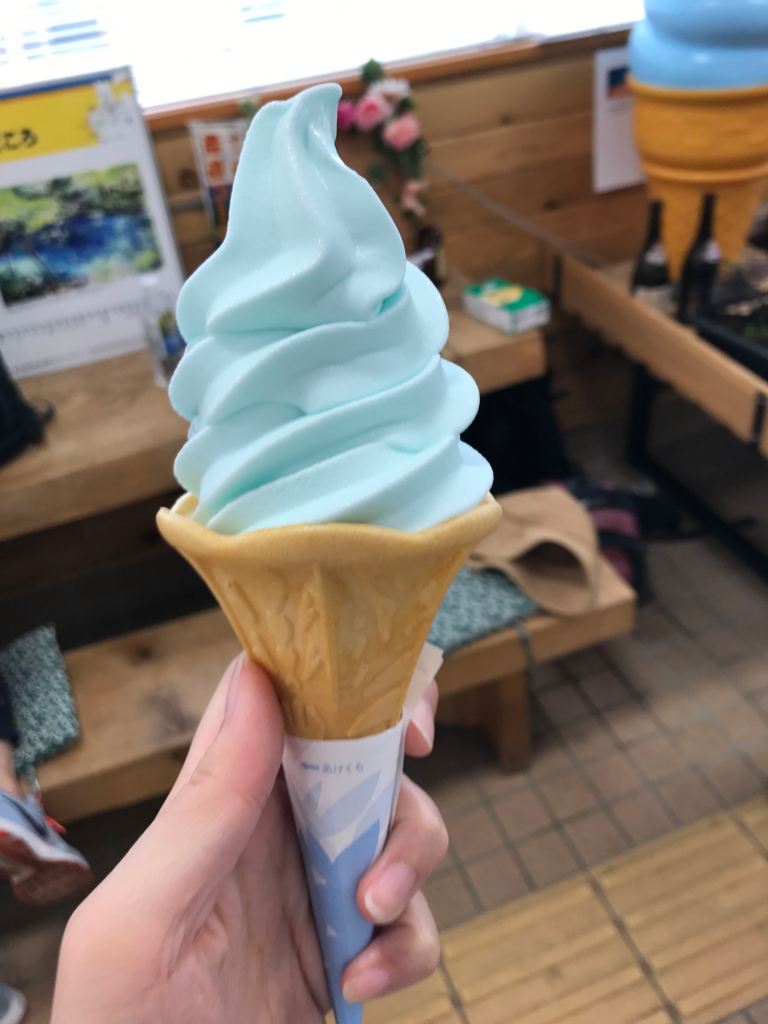
If you don’t have enough time, try the Aoi Pond ice-cream at station shop. It said yoghurt flavor, which is weird but not bad.


Do not take the last bus/train.
There are basically nothing around the area.

[Japan] Hot springs are even better WITHOUT WATER

Japan is a heaven for hot spring (onsen) lovers. Sadly for people with weak hearts (me), can’t keep your breast under water for long even when you are naked.

What if… there’s an onsen that you don’t need to get boiled?

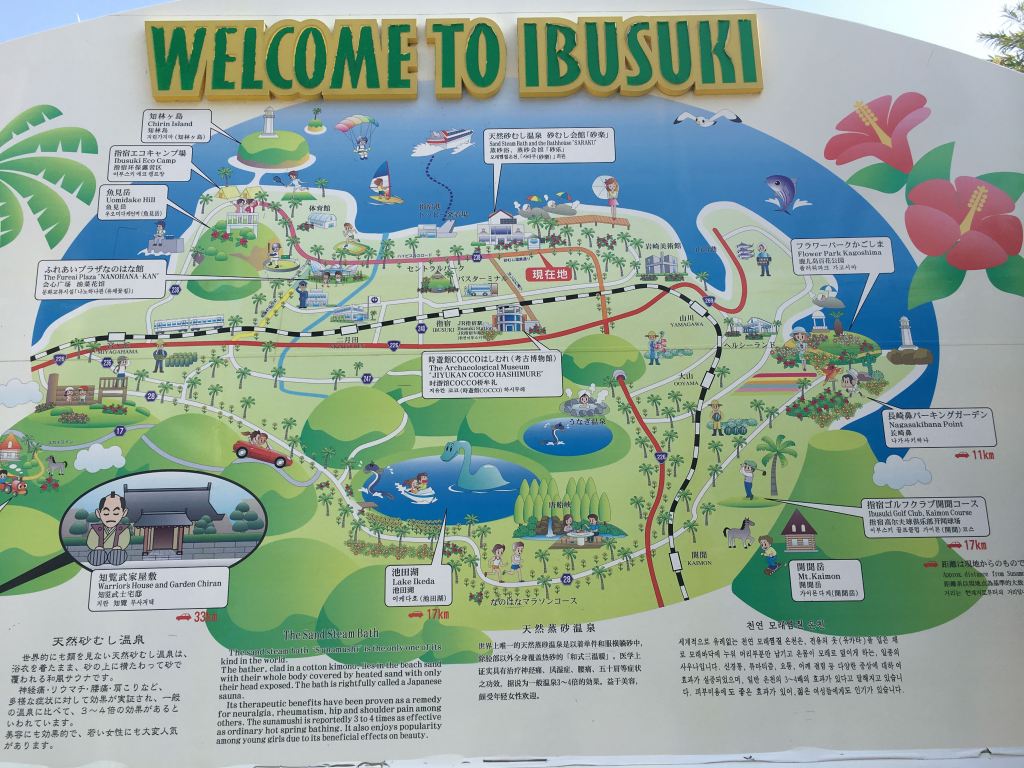
Ibusuki ( 指宿 )

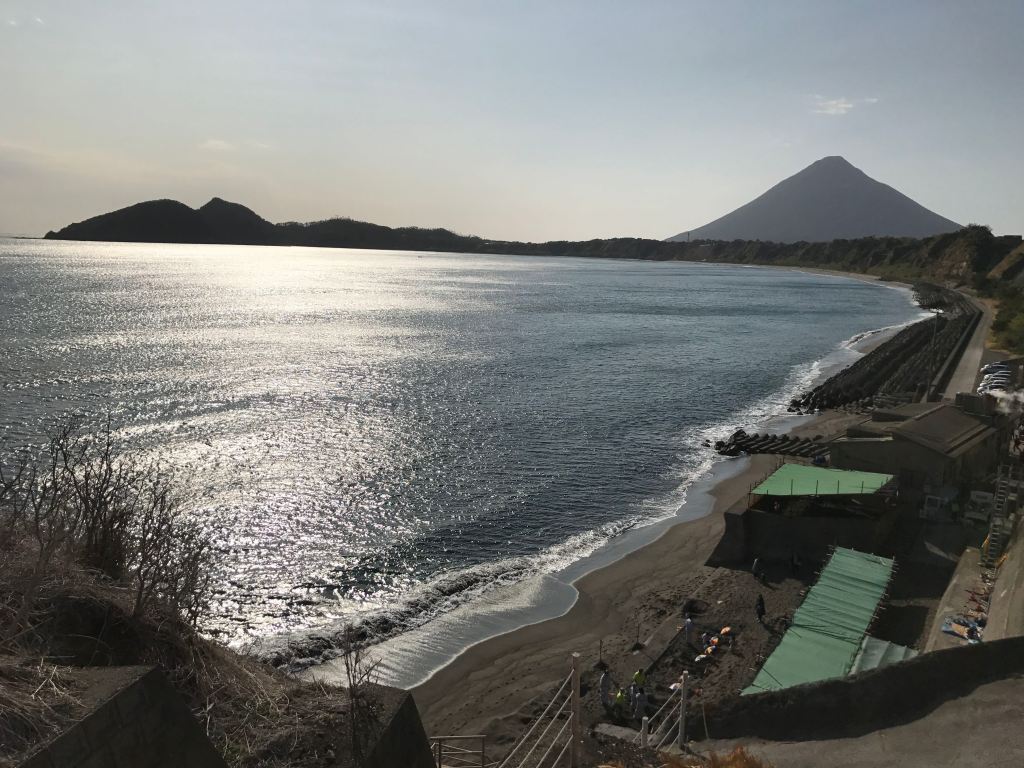
The onsen is at Ibusuki, the southest part of Kyushu.

It is famous of onsen so there are lots of facilities. But the one I went to, cannot be compared.

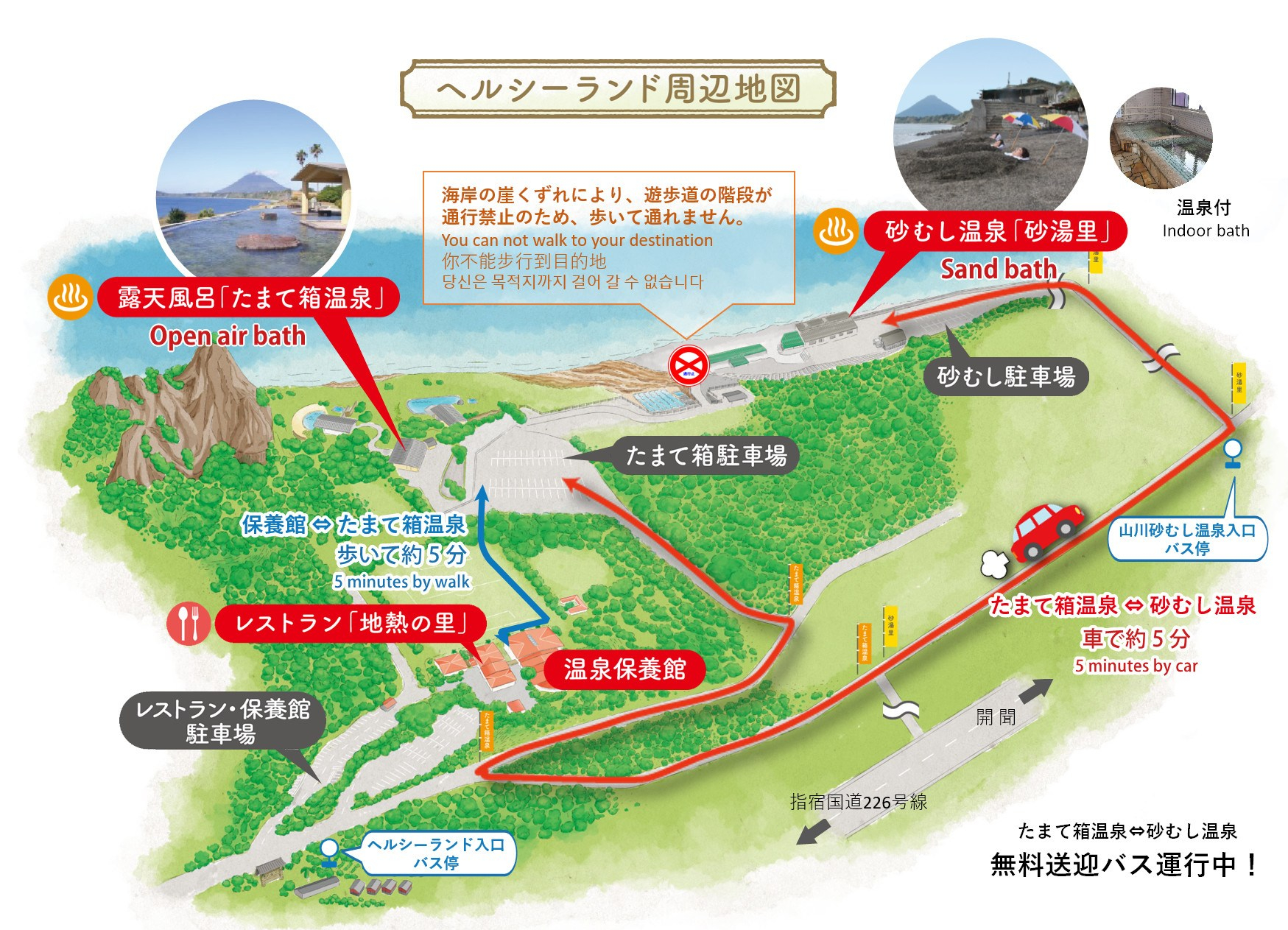
Healthy Land bath facilities

Healthy Land consists of 2 main baths – Open Air Bath and Sand Bath.

Open Air Bath has 2 main areas, western style pool facing the ocean and japanese style pool facing the mountain. You can visit only 1 area each time, woman can visit the western one on even number dates, vice versa.

Check out the website for more


Sand Bath

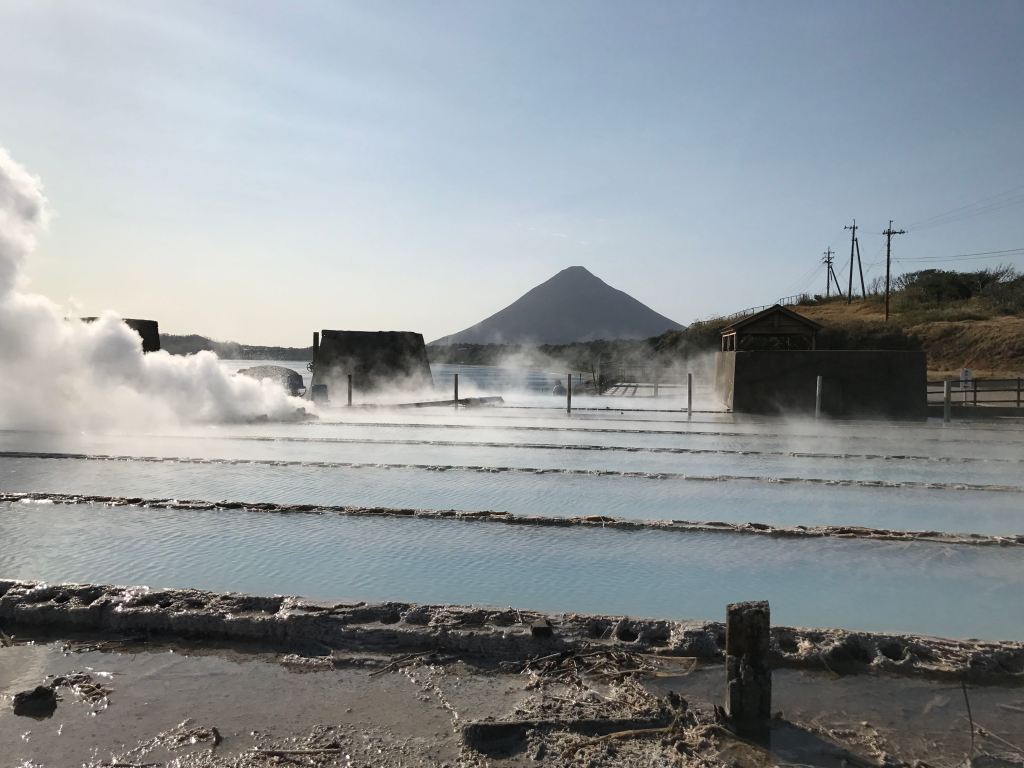
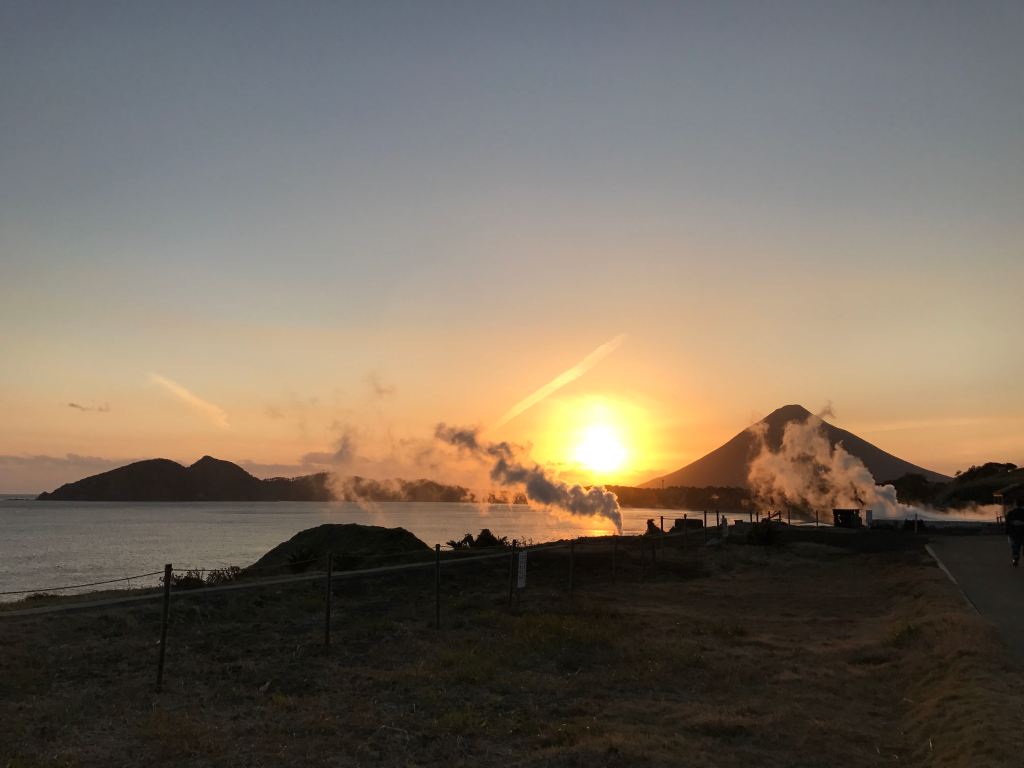
It takes 5-10 mins along the shore from the Open Air Bath. You can see many steam punk-ish machines on the way.

Go downstairs when you see the green tents. Pay your money, take off all your clothes and change to Yukata. Remember to go out with a towel!

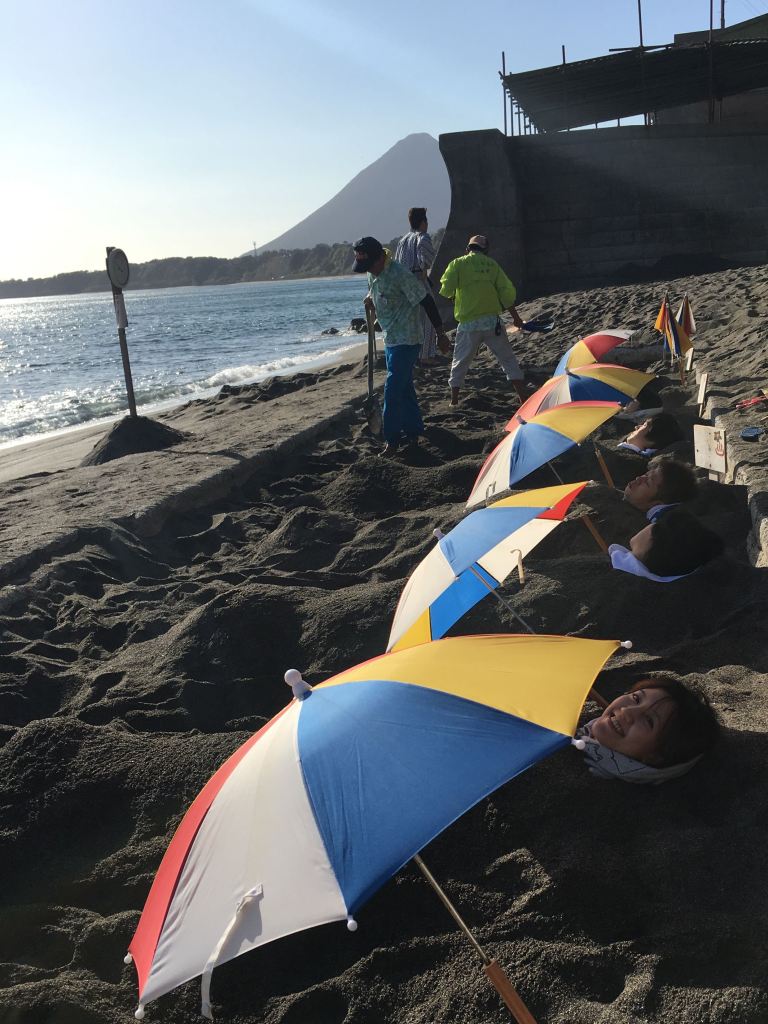
The staff will guide you to lie down and put kilos of hot sand on you.
DO NOT TAKE OFF YOUR YUKATA!

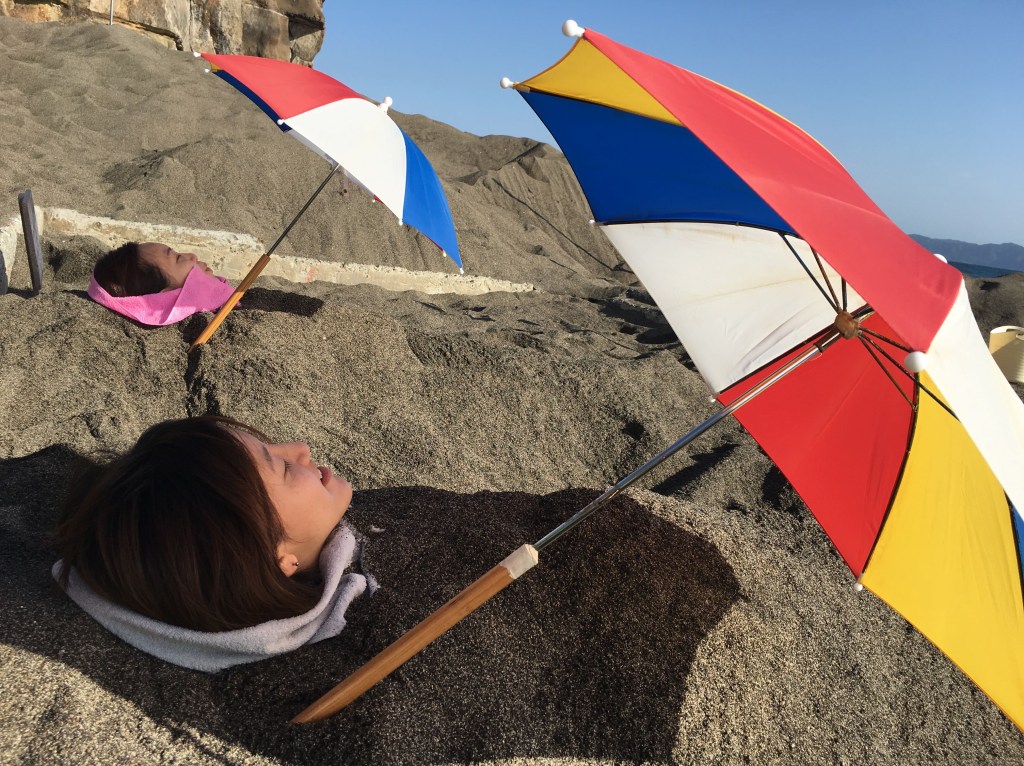
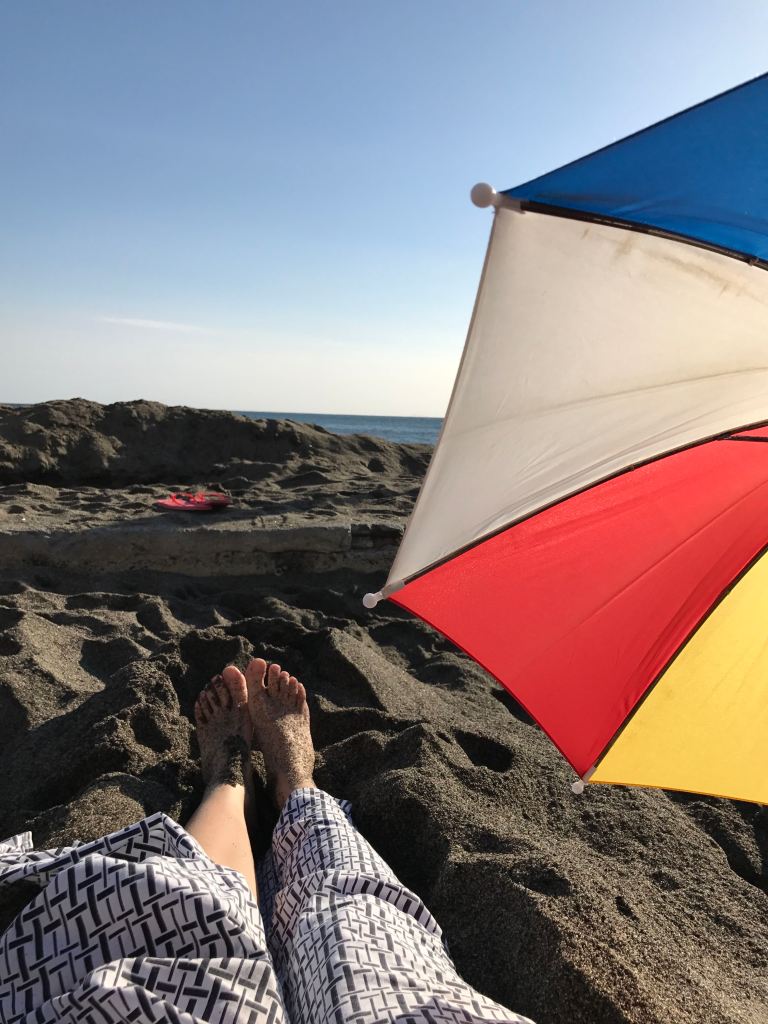
The towel is for protecting your head and hair, where your whole body including hands and legs, is under the heavy sand dune. The staff will put an umbrella to shade your face. Pictures are welcomed as everyone has clothes on, put your cam inside the basket and the staff will take tons for you.

I couldn’t stand the weight for long, but it’s embarrassing to shout out for help… normally they will wait for 15 mins before waking you. I slowly shake off the sand, took me a few mins till I could get up. So if you are with kids, make sure they don’t feel uncomfortable.

Phenomenal.
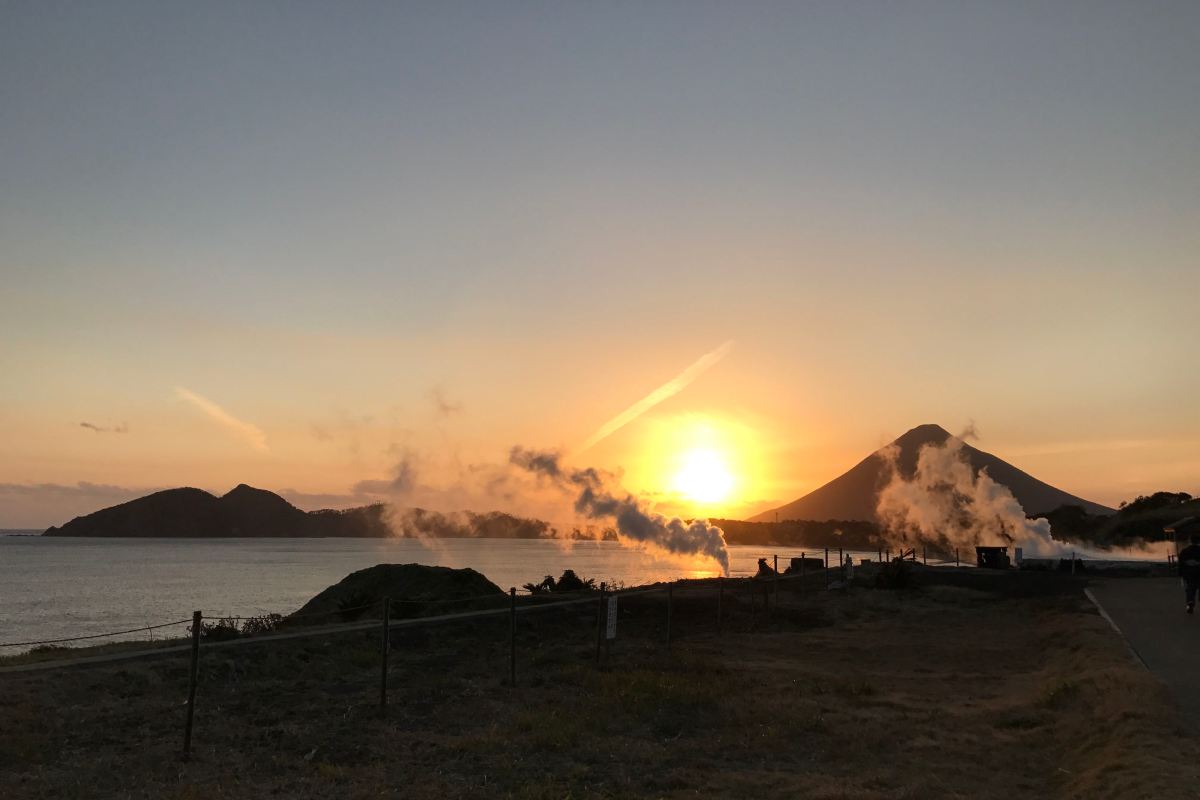
Relaxing with sea waves, under this magical golden sunset.

It’s time to go when you see the sunset. You gotta have a shower to wash away all the sand.

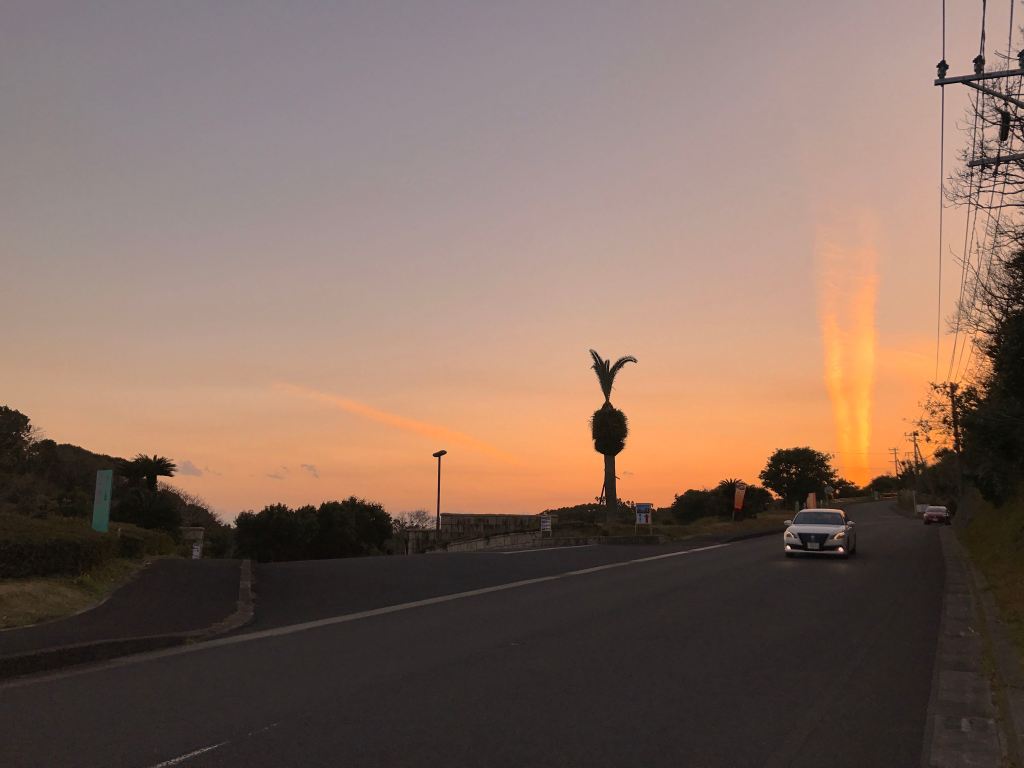
Healthy Land closes at around 6 and there are not much lights nearby the bus stop. I can’t see any taxis, really recommend ppl to leave earlier.


Access

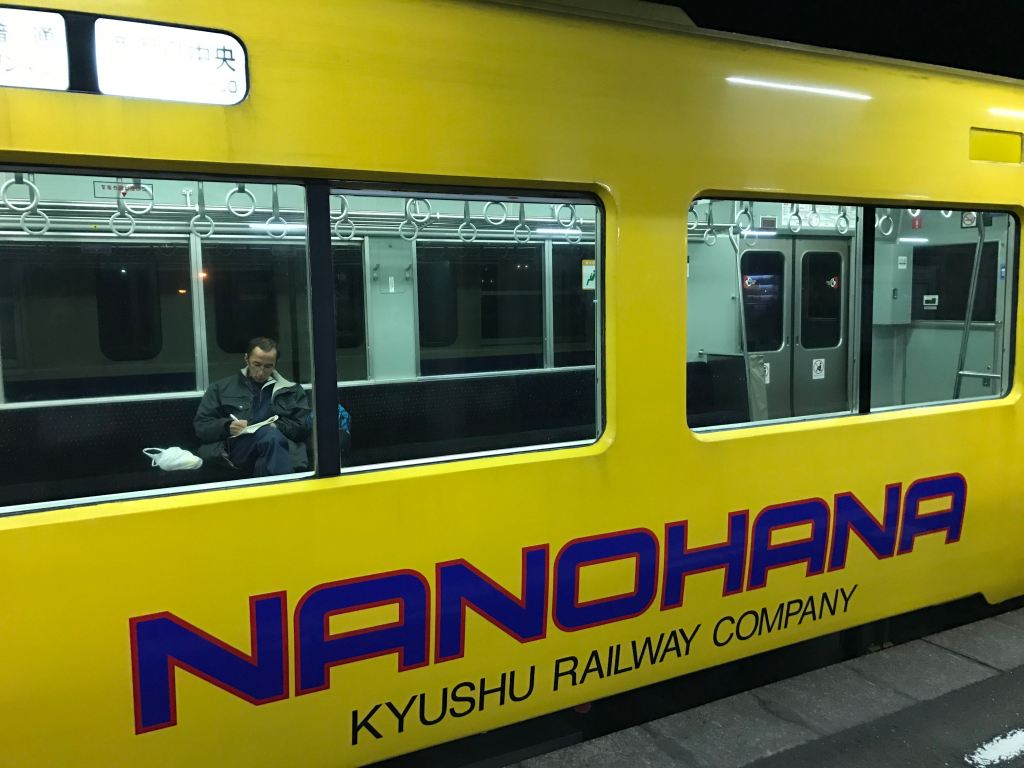
If you go from Kagoshima (鹿児島), take the special express train Isubuki no Tamatebako (指宿の玉手箱) which you can reserve seats having panoramic sea view and receive a special postcard. Or take the Nanohana (means vegetable flower) which takes more time but more trains.

You can interchange for bus at Ibusuki station or Yamakawa station.

There was English announcement on bus, wait for “Healthy Land” bus stop. Gotta walk a bit till you get to the baths.
Pick the set ticket for both sand and open air baths (1240 yen), you can bring your towel to save some money as well.


I don’t see any other places in Japan have sand baths. And the best thing is, there are not many tourists!
Go before it becomes famous 🙂